




















Why Efficient Waste Disposal Boosts Construction Success
Construction waste now accounts for approximately 62% of all waste produced in the UK each year, yet many site managers still treat disposal as an afterthought. This oversight creates compliance risks, inflates costs, and undermines sustainability goals. Efficient waste disposal is not just about removing rubbish; it is a strategic advantage that enhances safety, productivity, and profitability whilst meeting environmental responsibilities. Understanding how to optimise waste management transforms site operations.
Introduction To Construction Waste Disposal
Construction waste encompasses diverse materials generated during building, renovation, and demolition activities. Typical waste streams include concrete rubble, timber offcuts, metal scraps, bricks, packaging materials, and hazardous substances like asbestos or contaminated soil. Each type requires specific handling protocols to ensure safe, compliant disposal.
Site managers face several disposal challenges. The sheer volume of waste on active sites demands constant attention and coordination. Mixed waste streams complicate segregation efforts, whilst contamination from improper sorting undermines recycling potential. Space constraints on urban sites limit storage options for segregated materials. These operational hurdles create pressure points that affect project timelines and budgets.
Efficient disposal matters because the construction industry generates approximately 62% of all waste produced in the UK, around 100 million tonnes annually. Whilst the industry recovers over 90% of this material, primarily as recycled aggregate, an estimated 5 million tonnes still reaches landfill each year. Beyond environmental concerns, proper waste management ensures compliance with UK regulations that impose strict documentation and disposal requirements. Non-compliance triggers financial penalties and potential project suspensions. Analysis of over 90,000 Waste Transfer Notes by Qflow’s UK Construction Industry Waste Report 2023 found that the average waste compliance rate across the sector sits at just 64%, meaning one in three legally required documentation fields goes unchecked. Effective waste strategies also intersect with site welfare importance, as clean, organised sites enhance worker health, safety, and morale.
The disposal challenge extends beyond logistics. It reflects broader commitments to sustainability, operational excellence, and regulatory responsibility. Sites that integrate eco-friendly site solutions into their waste management approach demonstrate leadership whilst capturing competitive advantages. Understanding these fundamentals sets the foundation for implementing effective disposal systems that deliver measurable benefits.
Legal And Regulatory Compliance For Construction Waste In The UK
UK construction sites operate within a comprehensive regulatory framework governing waste management. The Environmental Protection Act 1990 establishes the duty of care principle, making site managers legally responsible for waste from generation through final disposal. The Waste Regulations 2011 mandate specific protocols for waste classification, segregation, documentation, and authorised disposal routes. More recently, the Separation of Waste (England) Regulations 2025, effective from 31 March 2025, introduced mandatory segregation of key waste streams at the point of disposal, requiring businesses to separate materials including plastics, metals, paper, and organic waste with greater precision than before.
Compliance requirements encompass several key obligations:
- Accurate waste classification using European Waste Catalogue codes
- Proper segregation of hazardous from non-hazardous materials
- Complete chain-of-custody documentation via waste transfer notes
- Use of Environment Agency registered waste carriers and disposal facilities
- Maintenance of waste records for a minimum of two years
- Annual compliance submissions detailing waste generation, segregation practices, and recycling rates (from 2025)
- Implementation of waste hierarchy principles prioritising prevention, reuse, and recycling
Non-compliance carries serious consequences. Sites without proper documentation face fixed penalty notices of £300 per incomplete Waste Transfer Note, or Crown Court prosecution in more serious cases. Illegal disposal incidents can trigger immediate stop-work orders that delay project completion and damage client relationships. Directors may face personal liability for corporate environmental offences. These penalties make robust compliance systems essential risk management tools.
The compliance picture across the sector is concerning. Research by construction data platform Qflow, analysing more than 90,000 Waste Transfer Notes collected between 2018 and 2023, found that the average waste compliance rate across the industry sits at just 64%, meaning one in three legally required fields goes unchecked. The most widespread issue was missing facility permits or exemptions, found in 93% of all Waste Transfer Notes reviewed. This data gap means many sites cannot accurately account for where their waste goes, leaving them exposed to enforcement action. The professional waste disposal importance extends beyond logistics to encompass legal protection and corporate governance. Sites that implement formal waste management plans and digital tracking close this gap, creating audit trails that demonstrate due diligence and protect projects from legal exposure.
The compliance landscape continues evolving with increasing emphasis on circular economy principles and extended producer responsibility. Understanding current requirements is not optional; it is fundamental to professional site management.
Impact Of Efficient Waste Disposal On Sustainability And Site Operations
Efficient waste disposal delivers substantial environmental benefits by diverting materials from landfill. Proper segregation enables recycling of concrete, metals, timber, and plastics, converting waste streams into resource inputs for manufacturing. This circular approach reduces demand for virgin materials, lowers embodied carbon in construction, and minimises ecosystem damage from extraction activities.

The scale of the challenge is significant. The UK construction sector generates around 100 million tonnes of waste annually, of which over 90% is currently recovered. However, construction still accounts for an estimated 32% of all waste sent to UK landfills, and the industry’s own 99% landfill diversion target remains out of reach whilst documentation and segregation practices lag. Sites that maximise recycling rates contribute measurably to bridging that gap.
Health and safety improvements represent another critical benefit. Organised waste management eliminates hazardous clutter that creates trip hazards and obstructs emergency access routes. Proper containment of hazardous materials prevents exposure incidents that could injure workers or contaminate surroundings. Clear segregation protocols reduce manual handling risks by eliminating the need to sort mixed waste. The construction site safety report highlights how organised sites with proper facilities support comprehensive safety cultures.
Operational efficiency gains manifest in multiple ways:
- Cleaner sites improve worker morale and reduce stress from chaotic environments
- Systematic disposal reduces time spent managing waste, freeing labour for productive tasks
- Better space utilisation through organised storage maximises available working area
- Reduced waste collection frequency lowers disruption from collection vehicle movements
Financial returns justify investment in efficient systems. Landfill disposal costs can exceed £100 per tonne once landfill tax is factored in, and that tax is set to rise further under proposed reforms from 2030. Segregated waste commands better prices from recyclers compared to mixed loads destined for landfill, whilst reduced disposal frequency cuts haulage costs. Research published in peer-reviewed construction management literature indicates that solid design and construction management can reduce waste generation by up to 40%, pointing to substantial project-level savings when waste is treated as a strategic priority rather than a disposal problem.
The connection between waste management and site welfare benefits deserves emphasis. Investment in site welfare complements waste management by creating professional environments where systematic processes thrive. Together, these elements create cycles that elevate overall project performance.
Pro Tip: Track your landfill diversion rate monthly to quantify environmental impact and identify improvement opportunities. A simple metric comparing recycled tonnage to total waste tonnage reveals trends and validates strategy effectiveness.
Common Misconceptions About Construction Waste Disposal
Many site managers view waste disposal merely as rubbish removal, a necessary overhead that adds cost without value. This narrow perspective misses how disposal integrates with safety, compliance, and financial performance. Waste management is not peripheral housekeeping; it is core infrastructure that enables efficient site operations. Sites treating disposal as strategic rather than incidental consistently outperform competitors on multiple metrics.
Another prevalent myth suggests all waste can be mixed together for simpler handling. Regulations explicitly prohibit mixing hazardous and non-hazardous materials. Mixed waste prevents effective recycling, forcing entire loads to landfill and inflating disposal costs. The Separation of Waste (England) Regulations 2025 have made precise segregation a legal requirement rather than best practice guidance, meaning the perceived convenience of mixing now carries direct financial and legal risk.
A third misconception limits waste disposal concerns to environmental regulations alone. Whilst environmental compliance matters, the implications extend far wider:
- Health and safety regulations govern hazardous waste handling and storage
- Contract terms often specify waste management standards and recycling targets
- Insurance policies may require documented waste procedures to maintain coverage
- Client sustainability requirements increasingly mandate specific disposal practices
- Annual compliance reporting requirements mean poor data systems carry forward-looking risk, not just historical liability
Understanding the effects of poor site welfare reinforces why neglecting basic site systems, including waste management, undermines operational performance at every level. Effective waste management touches every aspect of project delivery. Thinking holistically about disposal reveals opportunities for competitive differentiation and operational excellence.
Pro Tip: Challenge your team to identify three ways better waste management could improve daily operations beyond compliance. This exercise shifts mindsets from viewing disposal as an obligation to recognising it as an enabler of smoother workflows.
Comparison And Framework For Evaluating Waste Disposal Solutions
Selecting optimal disposal approaches requires structured evaluation against multiple criteria. Four key factors determine solution effectiveness: volume reduction capability, recycling rate achievement, compliance assurance, and total cost of ownership. Balancing these dimensions ensures disposal strategies align with project priorities whilst meeting regulatory and sustainability obligations.

| Disposal Method | Volume Reduction | Recycling Rate | Compliance Level | Relative Cost |
|---|---|---|---|---|
| Mixed skip disposal | Low | 10–20% | Basic | Moderate |
| Segregated bins | Moderate | 60–75% | High | Low to moderate |
| On-site sorting facility | High | 75–90% | Very high | High initial, low ongoing |
| Tech-enabled tracking | Moderate | 65–80% | Very high | Moderate |
Traditional mixed-bin disposal offers simplicity but delivers poor recycling rates and higher landfill costs. Materials thrown together require expensive sorting at transfer stations or proceed directly to landfill. It provides minimal compliance documentation and misses cost-saving opportunities from material sales. It suits only the smallest sites with limited waste volumes; and as of 2025, mixing certain waste streams is no longer legally compliant in England in any case.
Modern segregated systems with technology integration represent best practice for most projects. Multiple labelled bins enable source separation of concrete, timber, metals, plastics, and general waste. Digital tracking via platforms that automate Waste Transfer Note completion and generate compliance reports close the documentation gaps that Qflow’s research identified as the sector’s biggest compliance liability.
Key performance indicators for monitoring success include:
- Landfill diversion rate (industry benchmark: 90%+)
- Cost per tonne of waste disposed
- Compliance documentation completion rate
- Number of disposal-related incidents or violations
- Revenue generated from recyclable material sales
Large sites justify investment in on-site sorting facilities that process waste before removal. Dedicated equipment like crushers and balers maximise material recovery whilst minimising transport costs. Small to medium sites benefit most from partnered segregated collection services that provide expertise without capital expenditure.
Practical Steps To Implement Efficient Waste Disposal On Site
Successful implementation follows a systematic sequence that builds capability progressively:
1. Conduct a comprehensive waste audit. Document current waste types, volumes, and disposal routes over a minimum of two weeks. This baseline data reveals improvement opportunities and informs strategy development.
2. Develop a formal waste management plan. Create written procedures covering segregation protocols, storage locations, collection schedules, and responsibility assignments. Align the plan with contract requirements and the duty of care obligations under the Environmental Protection Act 1990. Whilst a Site Waste Management Plan is no longer a legal requirement in England, WRAP and the Environment Agency continue to recommend them as the most effective way to demonstrate compliance.
3. Install proper segregation infrastructure. Position clearly labelled bins at waste generation points with visual guides showing acceptable materials. Ensure sufficient capacity to prevent overflow that encourages improper disposal. Under the 2025 regulations, segregation of key streams – plastics, metals, paper, and organics – is now legally required at point of disposal.
4. Implement tracking technology. Deploy digital waste management platforms that maintain electronic Waste Transfer Notes, generate compliance reports automatically, and provide real-time visibility into disposal activities. Given that industry data shows 93% of Waste Transfer Notes currently have missing facility permits, automating this step is one of the highest-leverage compliance improvements available to site managers.
5. Train all site personnel. Conduct induction sessions explaining waste procedures, regulatory requirements, and individual responsibilities. Regular refresher training maintains awareness as workforce composition changes.
6. Establish monitoring routines. Schedule weekly waste audits checking bin contamination, documentation completeness, and facility condition. Monthly KPI reviews assess performance trends and identify corrective actions.
7. Engage specialist support. Partner with licensed waste carriers who provide expert guidance, regulatory updates, and optimisation recommendations based on experience across multiple sites.
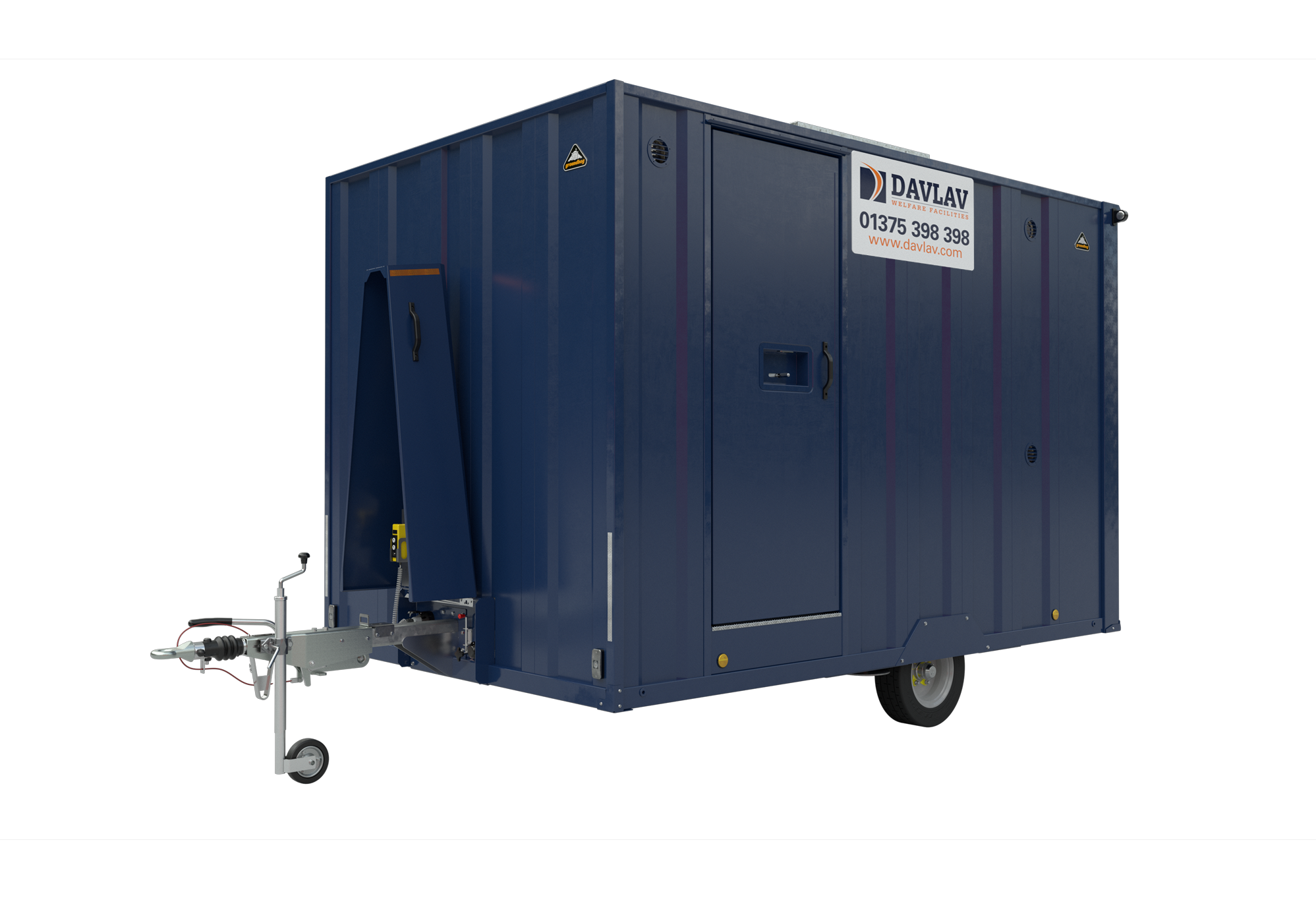
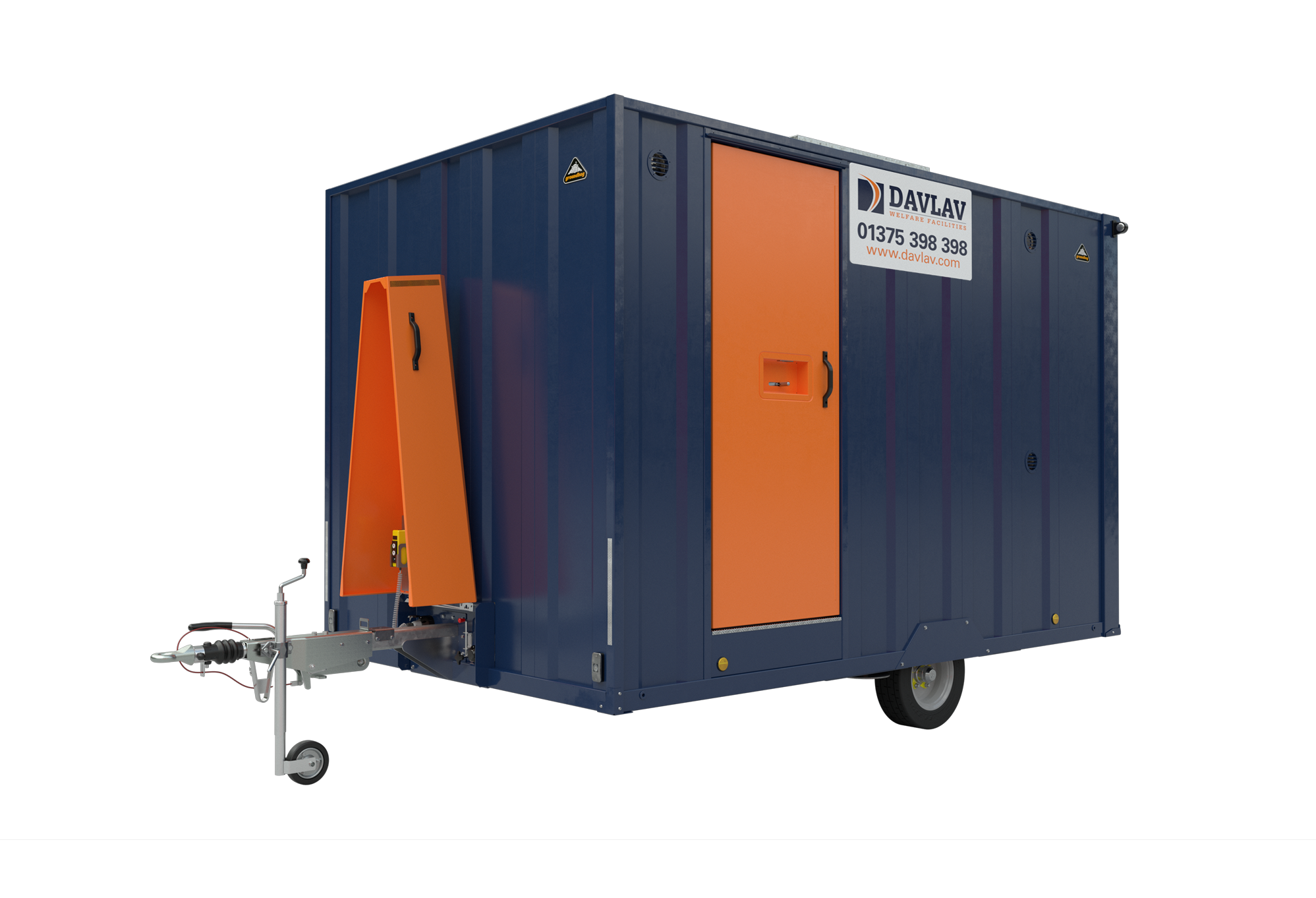
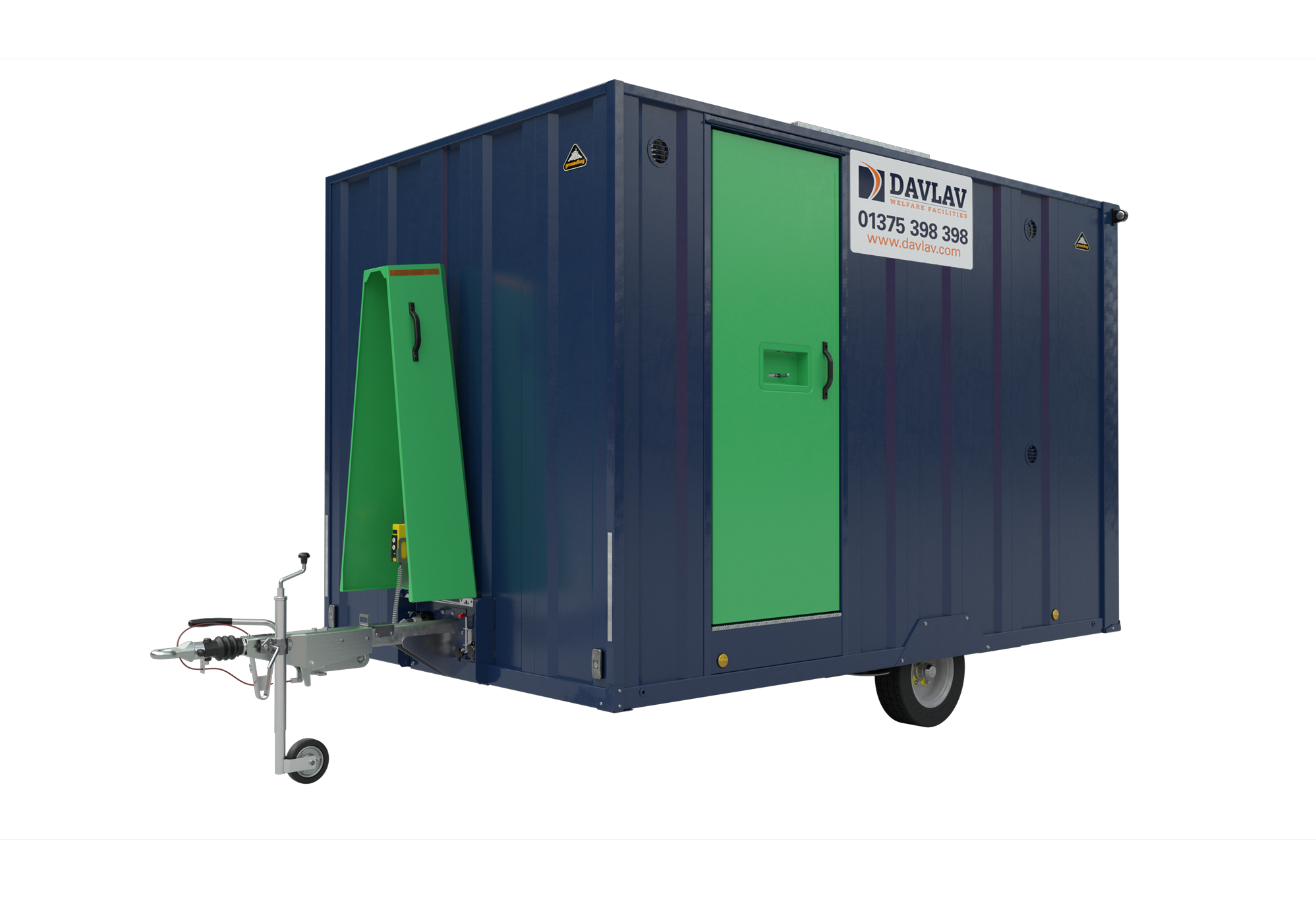
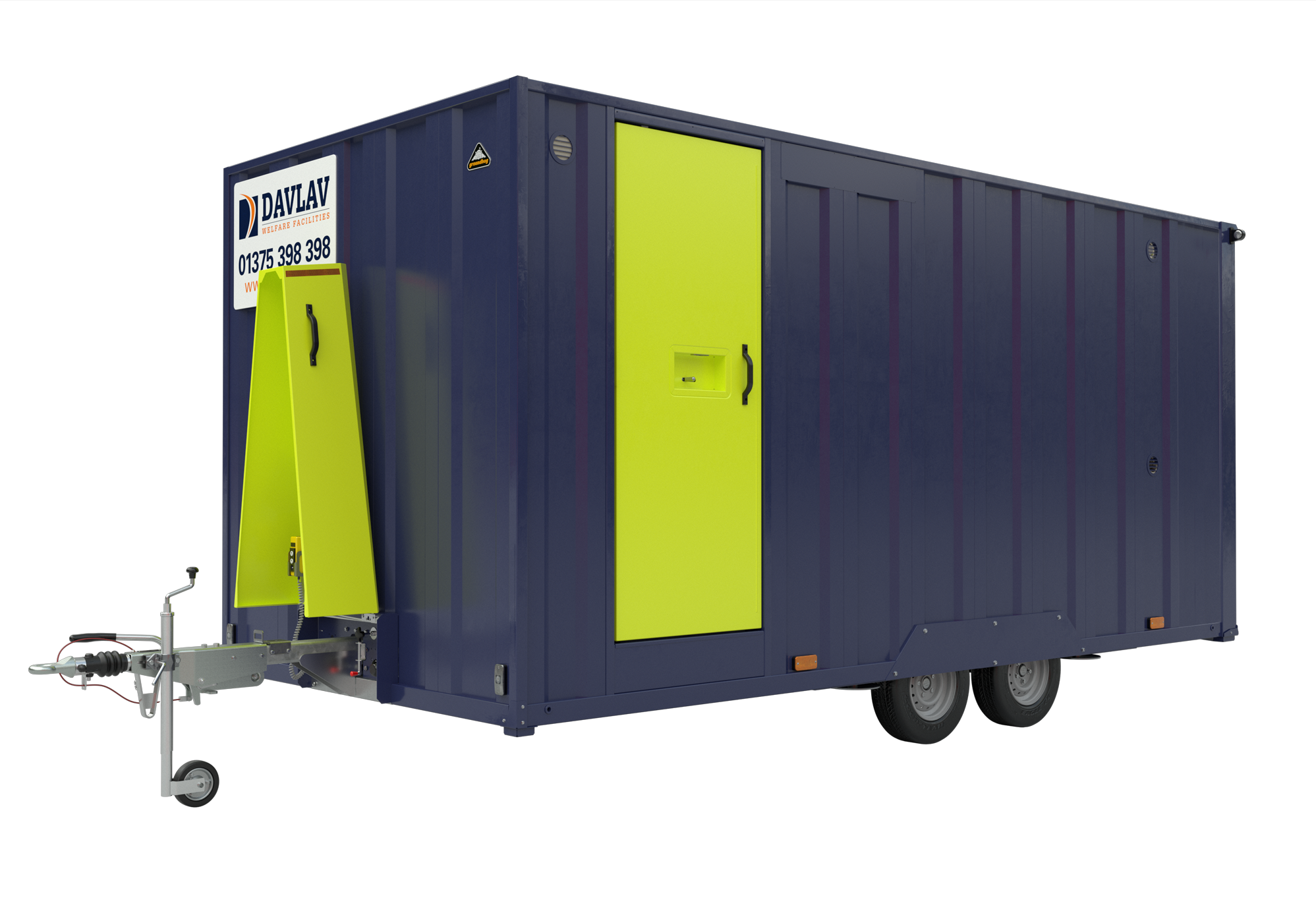
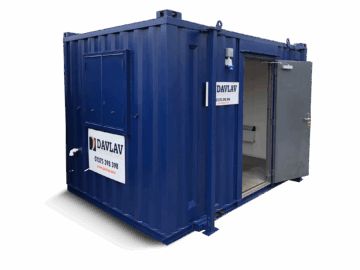
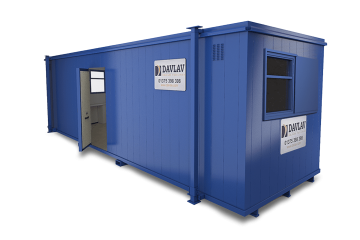
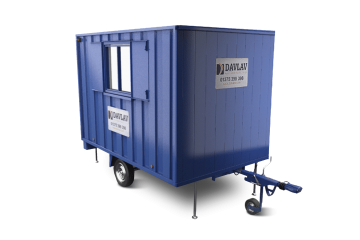
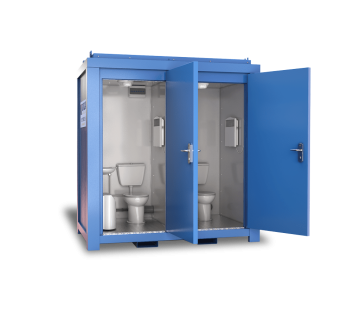
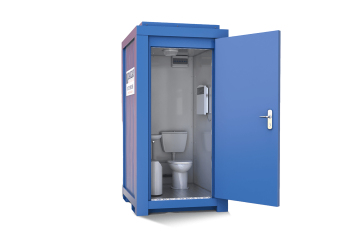
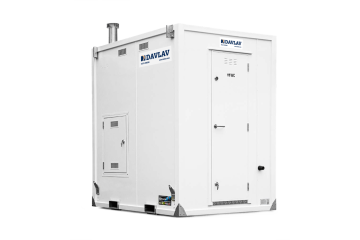
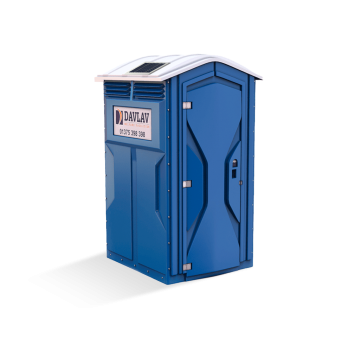
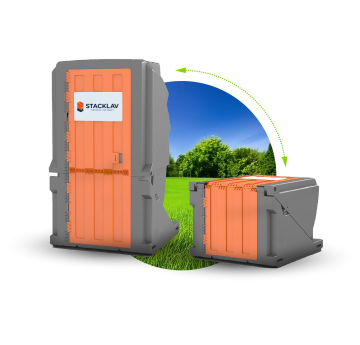
Integrating waste management with broader site infrastructure enhances effectiveness. The eco friendly site welfare solutions available from Davlav incorporate solar-powered units and HVO fuel options that complement a site’s wider sustainability objectives. Continuous improvement separates good from exceptional performance. Sites that treat waste management as an evolving discipline rather than a static compliance exercise achieve superior long-term results.
Achieving Compliance And Sustainability Through Efficient Waste Disposal
Efficient waste disposal serves as a cornerstone of successful construction site management, delivering benefits that extend far beyond regulatory compliance. Systematic approaches prevent costly fines and project delays whilst demonstrating professional standards that enhance reputation. Environmental contributions from maximised recycling rates support corporate sustainability commitments and reduce ecological impact. Operational improvements through organised sites boost worker safety, morale, and productivity.
The financial case is equally compelling. With landfill disposal costs exceeding £100 per tonne and landfill tax reform set to increase costs further from 2030, the economic incentive to divert waste through proper segregation and recycling will only grow. Meanwhile, the compliance environment continues to tighten: the 2025 segregation regulations represent a significant shift, and the Environment Agency is actively increasing enforcement activity.
Sites that establish robust waste management capabilities now build foundations for sustained compliance and competitive differentiation. The journey towards operational excellence begins with recognising waste disposal as a strategic priority – not an afterthought.
Discover Site Welfare Solutions To Support Effective Waste Disposal
Efficient waste management requires comprehensive site infrastructure that supports systematic operations. Davlav provides site welfare units investment solutions that create professional environments where organised processes thrive. Our eco friendly site welfare solutions incorporate solar-powered units and HVO fuel options that align with your sustainability objectives.
Beyond welfare facilities, we deliver professional tank emptying and waste disposal services that ensure compliance and operational continuity. Our integrated approach addresses your complete site infrastructure needs from initial setup through ongoing maintenance and waste management. Contact Davlav to discuss how our comprehensive solutions support your project success whilst meeting environmental responsibilities.
FAQ
Construction sites generate diverse waste streams including concrete, timber, metals, bricks, packaging materials, and hazardous substances like asbestos. Understanding these categories enables targeted disposal strategies that maximise recycling potential and ensure compliant handling of each material type.
The construction sector generates approximately 62% of all waste produced in the UK – around 100 million tonnes annually. Whilst over 90% is recovered, primarily as recycled aggregate, the sector still accounts for around 32% of all waste sent to UK landfills, making it the single largest contributor to landfill by industry.
The Separation of Waste (England) Regulations 2025, effective from 31 March 2025, require businesses to segregate key waste streams – including plastics, metals, paper, and organic materials – at the point of disposal. Construction sites are directly affected, and non-compliance can result in significant financial penalties. Sites that previously relied on mixed-skip arrangements may need to review their waste infrastructure to ensure they meet the new requirements.
Research by construction data platform Qflow, analysing over 90,000 Waste Transfer Notes collected between 2018 and 2023, found the average compliance rate across the industry to be just 64% – meaning one in three legally required fields goes unchecked. The most common issue was missing facility permits or exemptions, found in 93% of WTNs reviewed. Digital waste management platforms that automate documentation capture are increasingly used to address this gap.
Proper segregation enables effective recycling by keeping material streams pure and preventing contamination. UK regulations now mandate separation of specific waste types, with strict penalties for mixing. Segregated waste reduces disposal costs through better recycling revenues and significantly lower landfill charges compared to mixed loads – a gap that will widen as landfill tax reforms take effect from 2030.
Sources: UK Statistics on Waste (DEFRA/GOV.UK, 2023); The UK Construction Industry Annual Waste Report 2023 (Qflow); WRAP Built Environment Programme; Separation of Waste (England) Regulations 2025; CIOB; Construction and Demolition Waste Management Research (PMC, 2022).