






5 Real Construction Site Welfare Setups
The best welfare setups are the ones built around the site itself, not applied the same way regardless of what the project actually needs. A large development running for a year needs something very different from a small renovation job lasting a few weeks. Get site welfare right, and it shows in how the whole site runs. Here are five examples of what that looks like in practice.
Large Housing Developments
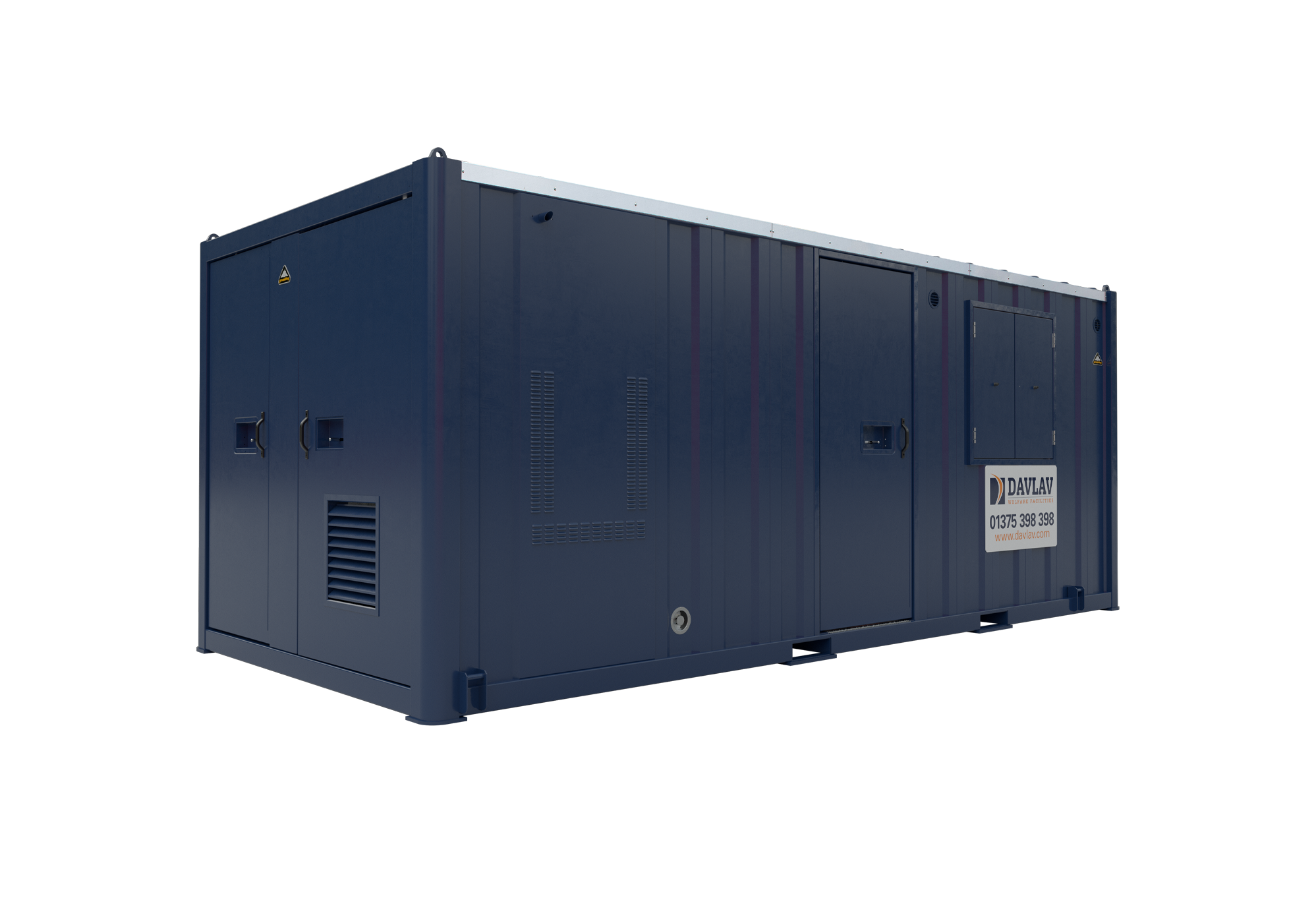
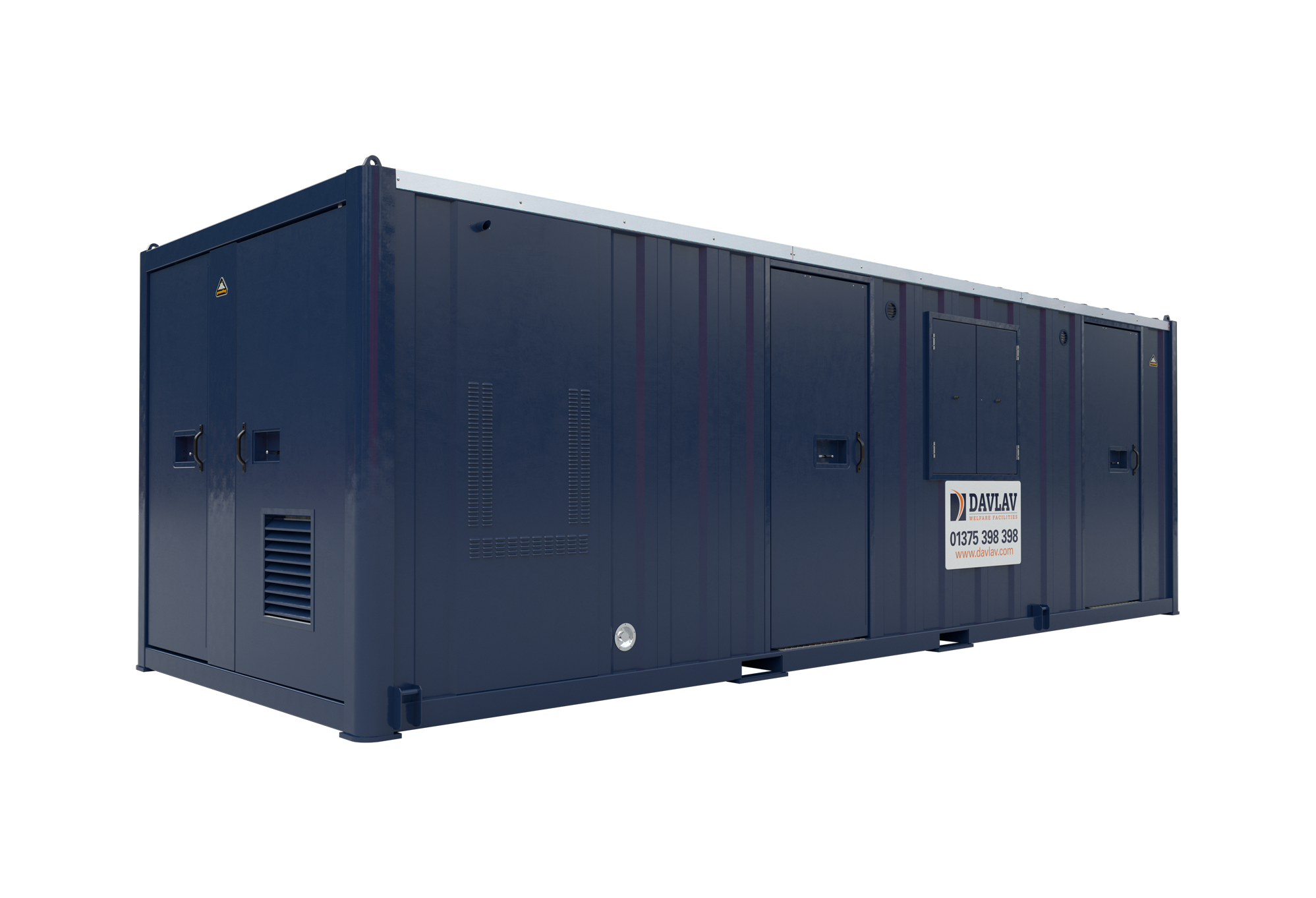
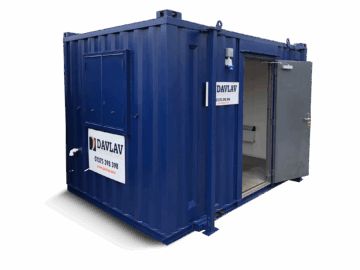
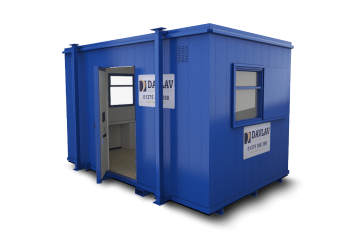
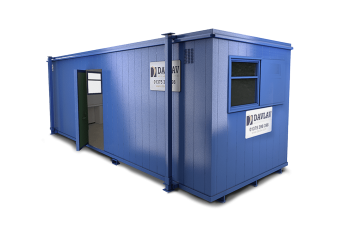
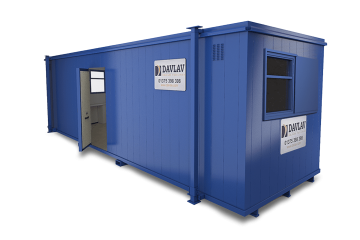
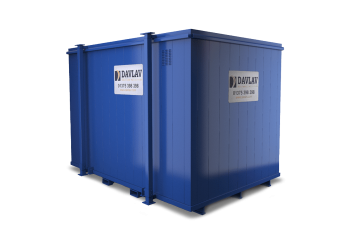
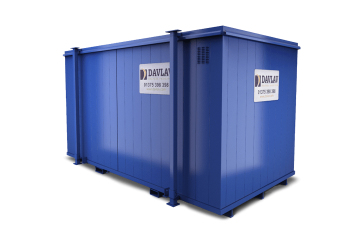
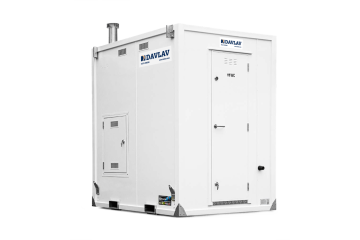
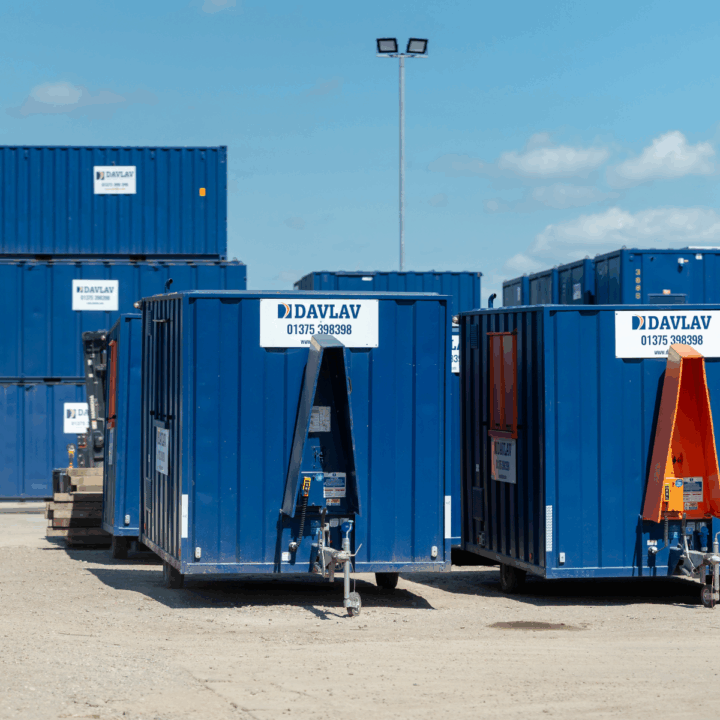
Vast residential developments usually run for a long time, with a large workforce on site throughout. To support this, a static welfare unit is typically the best option here, as the site isn’t moving so there isn’t any need for a portable unit. With more people on site daily, a full site canteen setup may also be worth the investment, giving the team somewhere to properly rest during breaks.
Highways and Roadworks Project
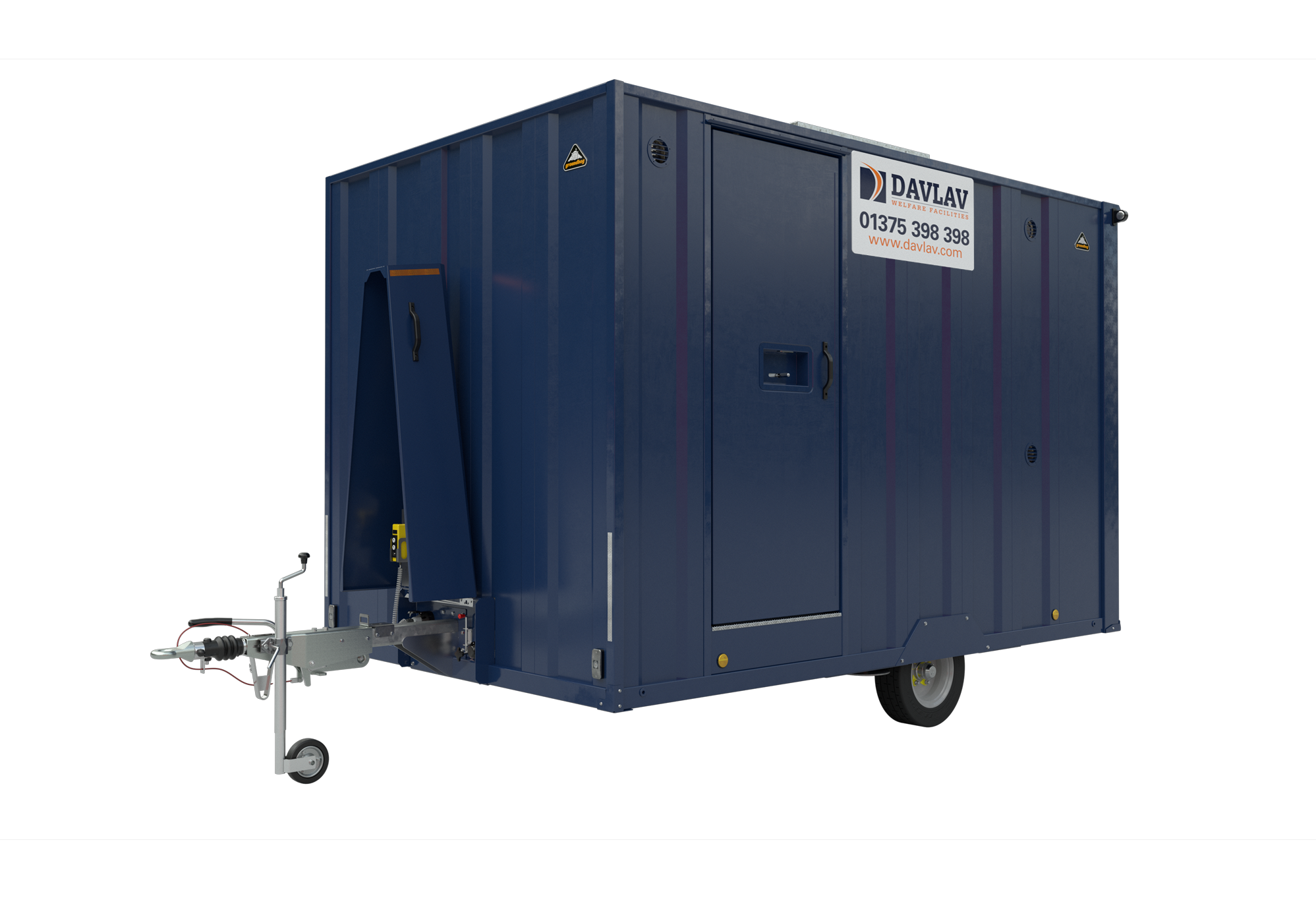
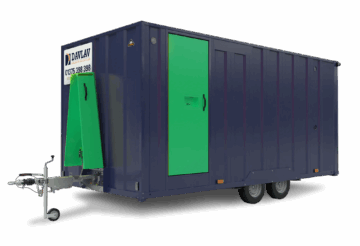
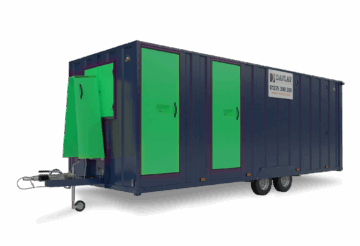
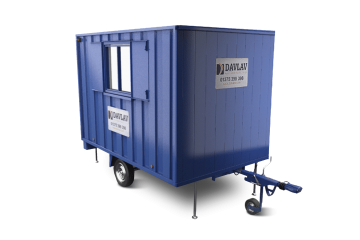
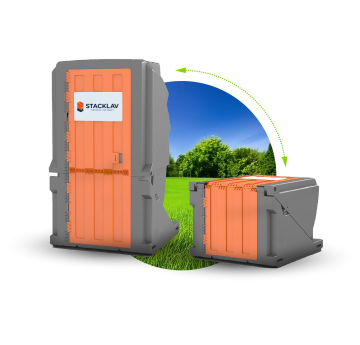
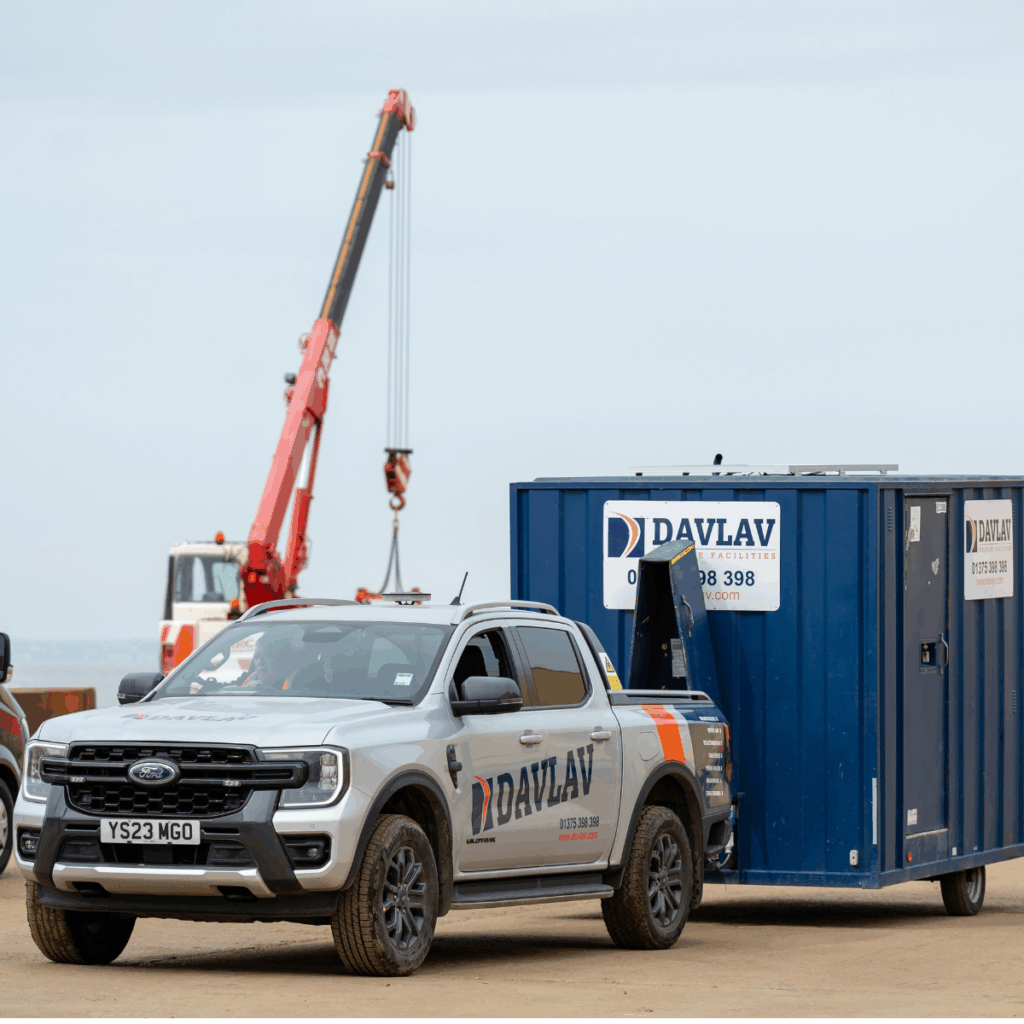
Roadworks and highway projects are always changing, often relocating every few weeks as work advances. Mobile welfare units are designed specifically for this, allowing quick repositioning so teams never lack proper facilities during movement. Because things are constantly shifting, site welfare planning must be integrated from the start rather than added later once the schedule is fixed.
Rail and Utilities Sites
Rail and utilities work can commence somewhere without mains power or water nearby, sometimes even a far distance away from anywhere at all. Our solar welfare solutions can solve this problem, as a solar-powered unit can run lighting, heating, and basic facilities without needing a generator refuelled constantly, which matters when the site itself is remote and access for regular refuelling is limited.
Small Residential and Renovation Jobs
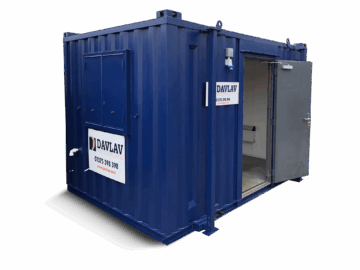
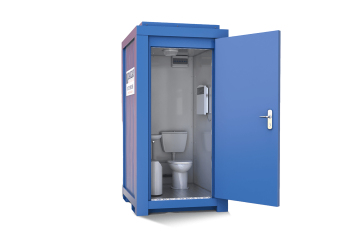
Not every site requires a full welfare setup. A small renovation or job with a small number of workers still has the same legal duty to provide proper facilities, but the scale is much different. A single, well-specified unit is usually enough here, something compact that still covers the basics properly without taking up space that the site can’t afford to lose. Site welfare at this scale is really about getting the fundamentals right in a small footprint, not scaling everything down badly.
Large Infrastructure or Civil Engineering Sites
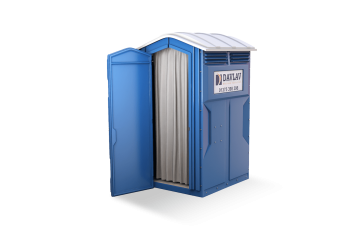
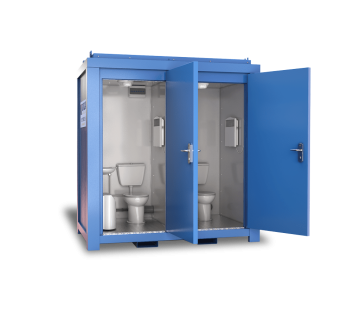
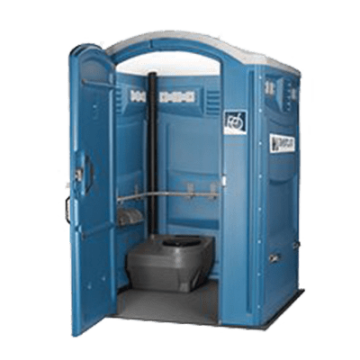
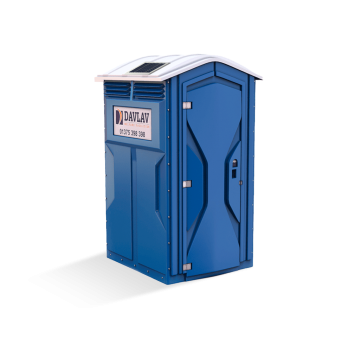
On big civil engineering projects, hundreds of workers across multiple trades can be on site at any time, and welfare needs to scale to match. Toilet block hire becomes essential once numbers are high, since standalone welfare units aren’t built to handle that volume of use throughout the day, whereas a toilet block is designed for exactly that kind of demand.
Different trades often work different shifts and different areas of the site, so in this setting, welfare tends to work better spread across a few locations rather than everyone relying on one central point.
Getting the Right Accommodation Solutions for Your Site
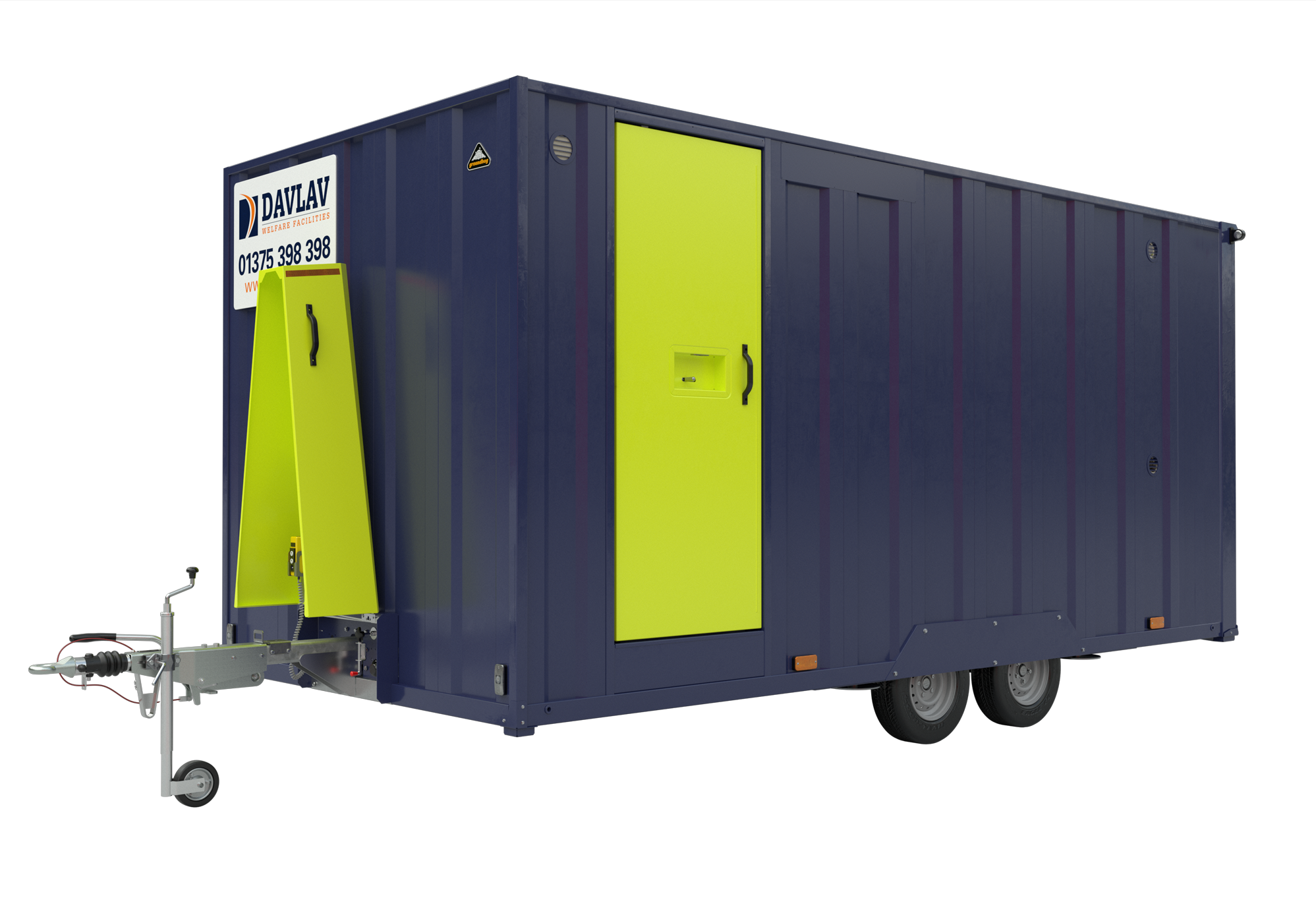
What ties all five of these together is that none of them used the same setup. Good accommodation solutions come from matching what’s actually hired to what the site genuinely needs. A long-term build might call for static welfare units, a moving site for mobile welfare units, and a large workforce for a fuller range of welfare units altogether. Getting this right from the start tends to save a lot of hassle further down the line.