







Understanding Greywater and Blackwater on Construction Sites
Managing wastewater is an important responsibility on construction sites, especially where access to permanent drainage systems is limited or unavailable.
Not all wastewater is the same wastewater, so understanding the difference can help to make sure it is collected, stored, and disposed of appropriately. Two common categories are greywater and blackwater, which differ in their origins and the potential health risks associated with them.
For site managers, understanding these differences is an important part of effective wastewater management.
What is Greywater?
Greywater refers to wastewater generated from washing activities, instead of toilet use. On construction sites, this commonly comes from handwashing basins within welfare facilities.
While greywater does not contain toilet waste, it can still carry contaminants such as soap residues and dirt from washing hands and equipment.
The level of contamination depends on how the water has been used. For example, wastewater from ordinary handwashing may have different characteristics from water used to remove substances found during construction work.
As a result, greywater should definitely not be considered safe for discharge into surrounding ground or drainage systems. Appropriate wastewater management arrangements are still necessary.
What is Blackwater?
Blackwater is wastewater originating from toilets, containing human waste such as urine and faecal matter.
Unlike greywater, blackwater can contain higher concentrations of harmful microorganisms, including bacteria and viruses. So, from a health and safety perspective, its collection and disposal are particularly important.
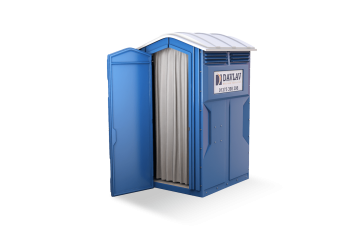
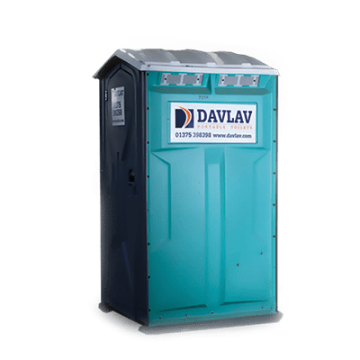
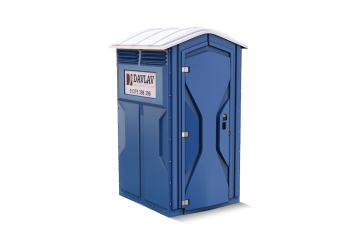
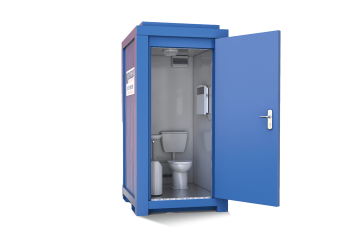
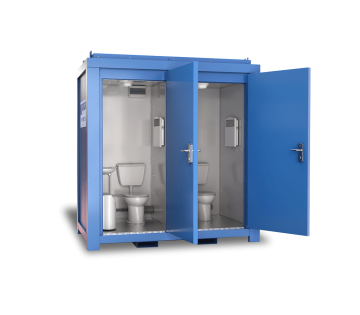
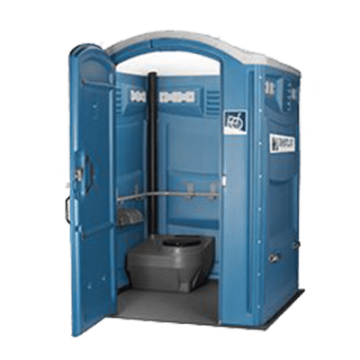
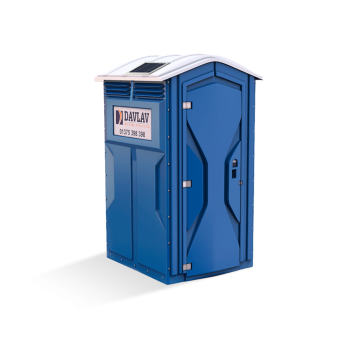
On sites with no mains drainage, flushing toilets may be connected to sealed effluent tanks, where sewage can be stored until collection. Portable chemical toilets usually retain waste in their own holding tanks.
Understanding the nature of blackwater is essential when arranging wastewater management, because incorrect handling can increase the risk of contamination and create serious hygiene concerns.
Why Does the Difference Matter?
The main distinction between greywater and blackwater is the source of contamination and the risks associated with handling each.
However, this does not necessarily mean they will be collected separately. Depending on how a site’s welfare facilities are connected, greywater and blackwater may enter the same effluent tank.
Once mixed, the wastewater must be handled as sewage, regardless of how much it originally came from washing facilities.
This is why understanding a site’s drainage arrangement matters. Effective wastewater management requires an awareness of what is entering the storage system and how the waste will eventually be removed.
Even when collected separately, both types of wastewater must be managed through suitable disposal routes.
Managing Wastewater on Construction Sites
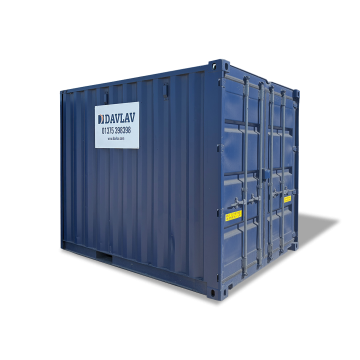
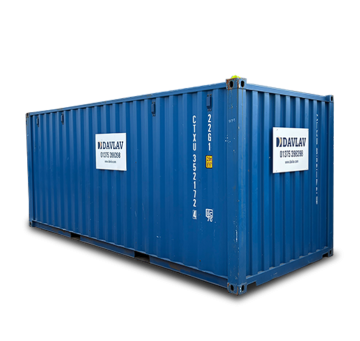
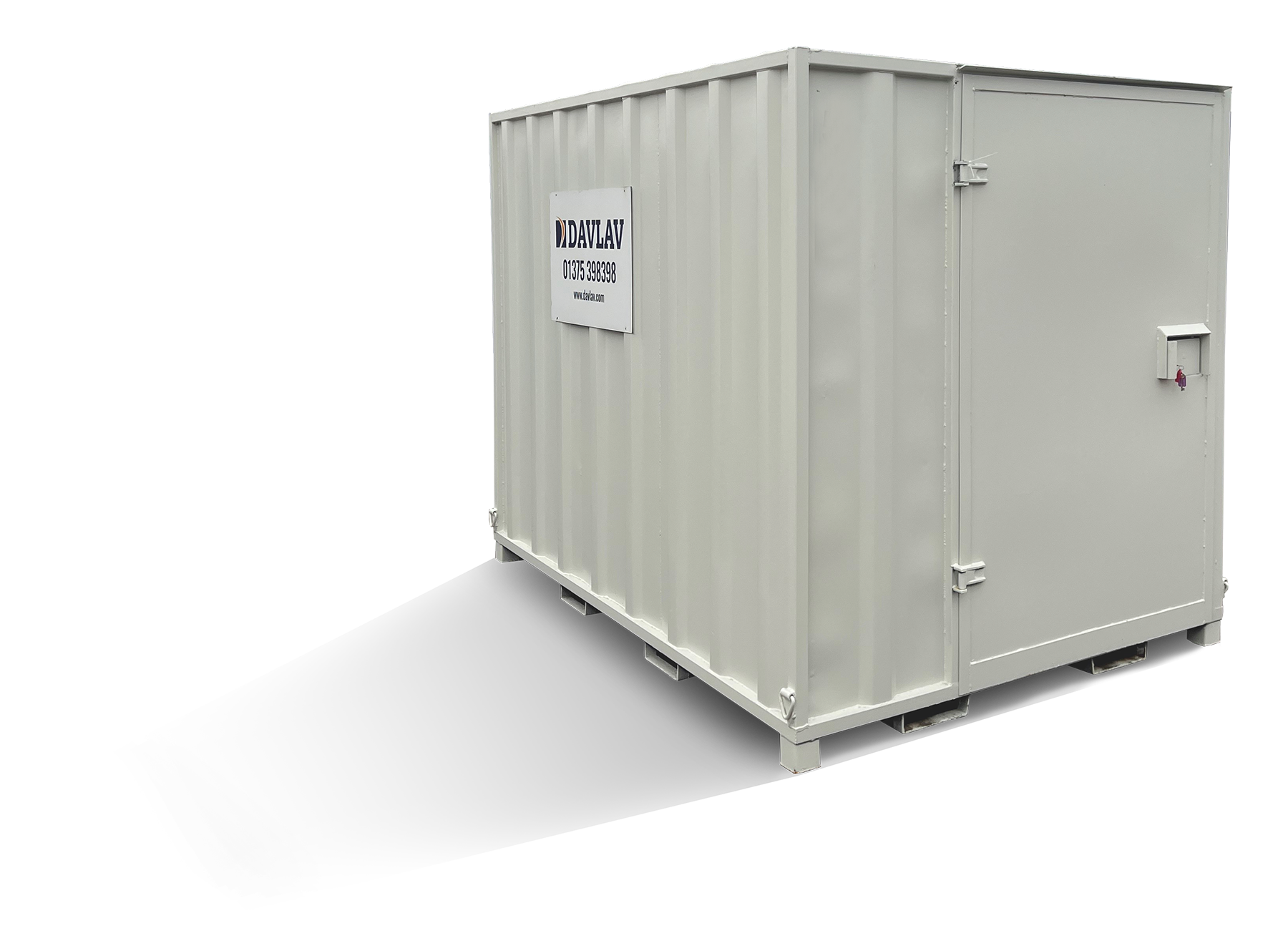
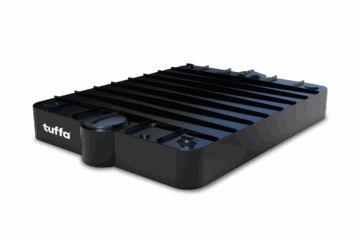
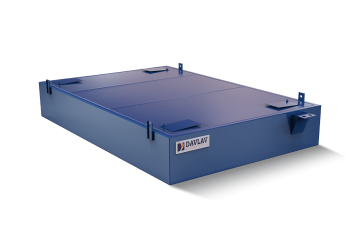
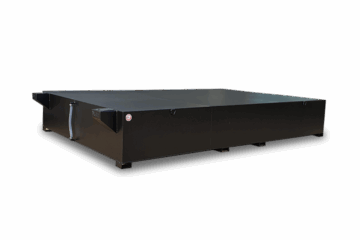
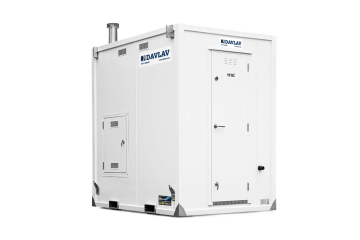
When construction sites lack access to mains drainage, effluent tanks play an important role in collecting wastewater generated by welfare facilities.
Choosing the right tank capacity depends on expected water usage and the number of people working on site. Monitoring wastewater levels is also important, as demand can change throughout a project.
Our effluent tank hire service offers a range of tanks suitable for construction environments, with various capacities available to meet different site requirements.
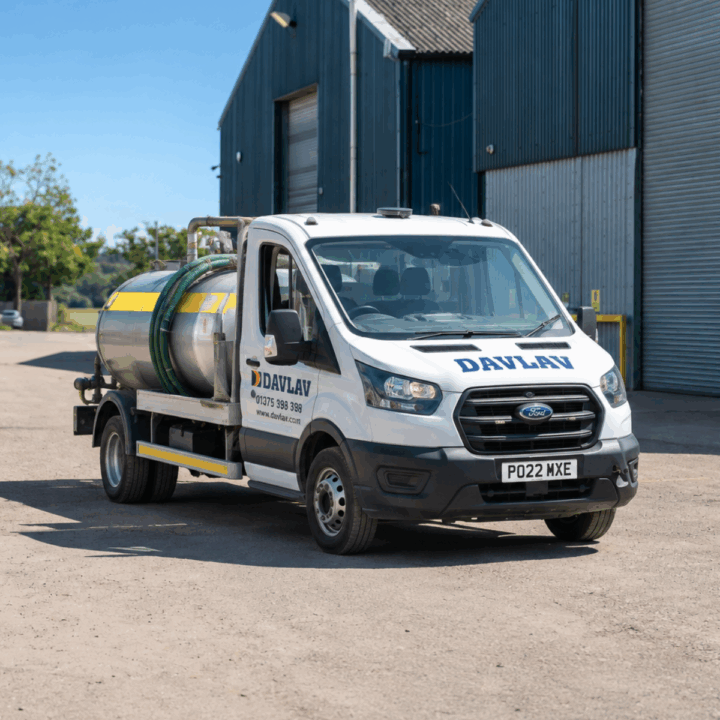
Along with effluent tank hire, our professional tank emptying services allow wastewater to be collected and transported for appropriate disposal.
If you’re planning a construction project and require assistance with wastewater management, contact our team to discuss our tank emptying and effluent tank services.