






Eco-Friendly Construction Site Welfare All Year Round
Rather than relying on one feature, eco-friendly construction site welfare depends on several factors. Equipment, fuel, and how the site operates daily are also important, contributing to reduced environmental impact while continuing to meet the right standards for comfort and compliance.
What does this mean in practice? A setup that’s sustainable throughout. Here’s what that actually involves, and why it matters for construction sites.
What Eco-Friendly Site Welfare Actually Means
Eco-friendly site welfare is a combination of strategic choices behind a setup, the fuel powering it, how efficiently it uses energy, and whether it’s built to reduce waste and emissions while still providing a comfortable space. Units fitted with proper insulation and PIR lighting use much less energy, especially when paired with fuel that lowers emissions.
These changes shouldn’t be sacrifices either. Good construction site welfare and conscientious eco-friendly considerations aren’t supposed to be in competition. When done right, they work together.
Solar Welfare Solutions Across the Range
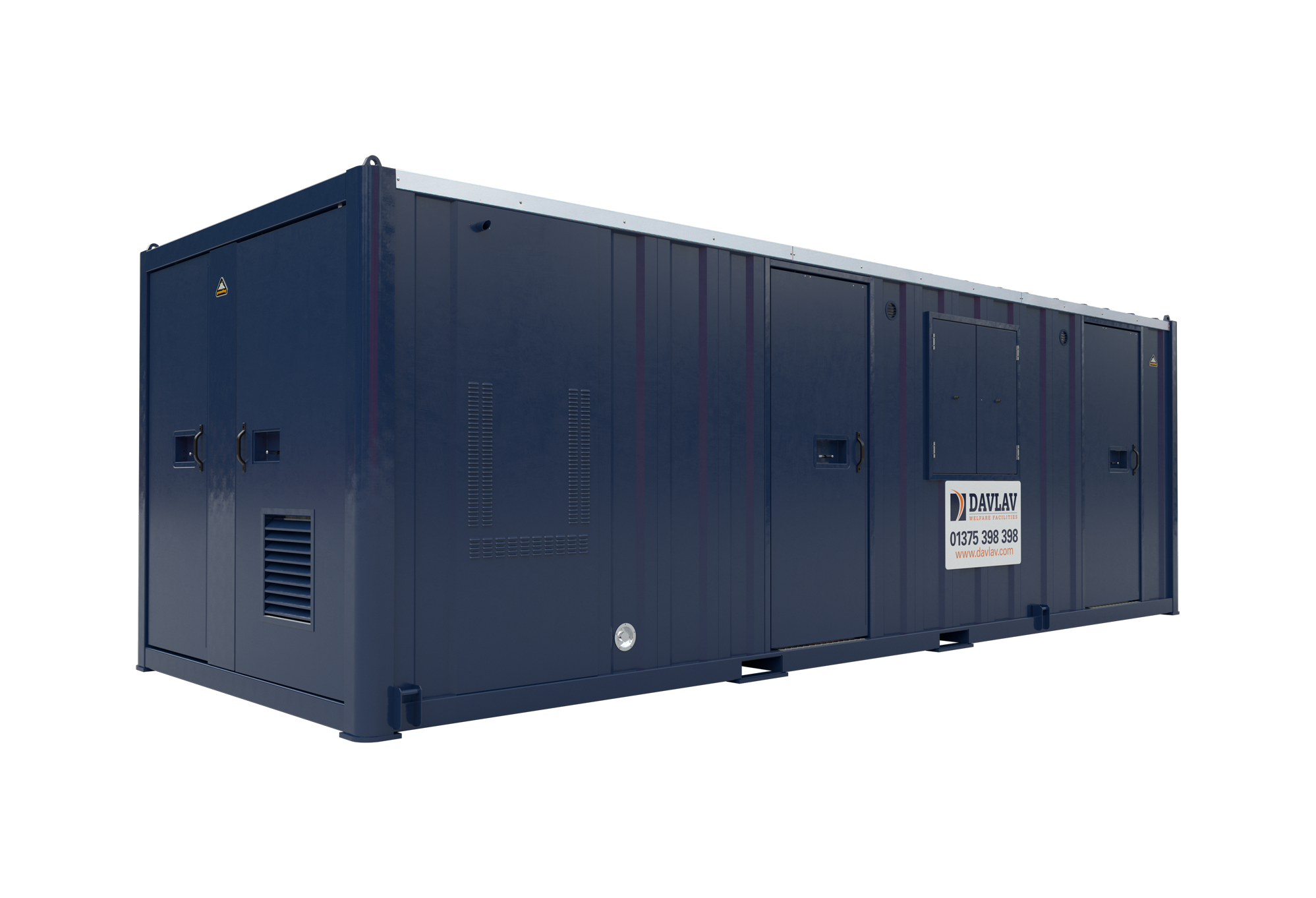
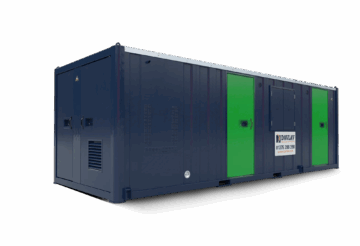
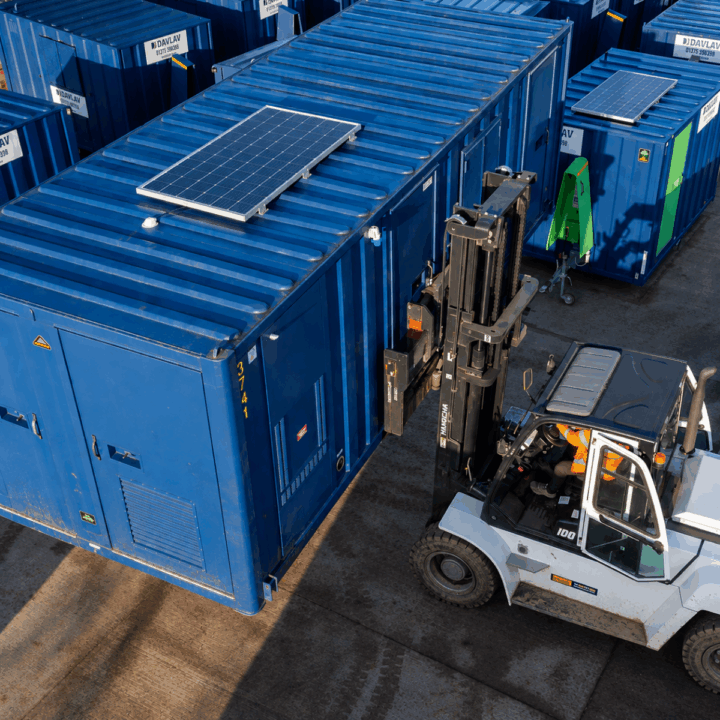
Our solar welfare solutions aren’t limited to a single product, but instead play a wider, more varied role across our fleet.
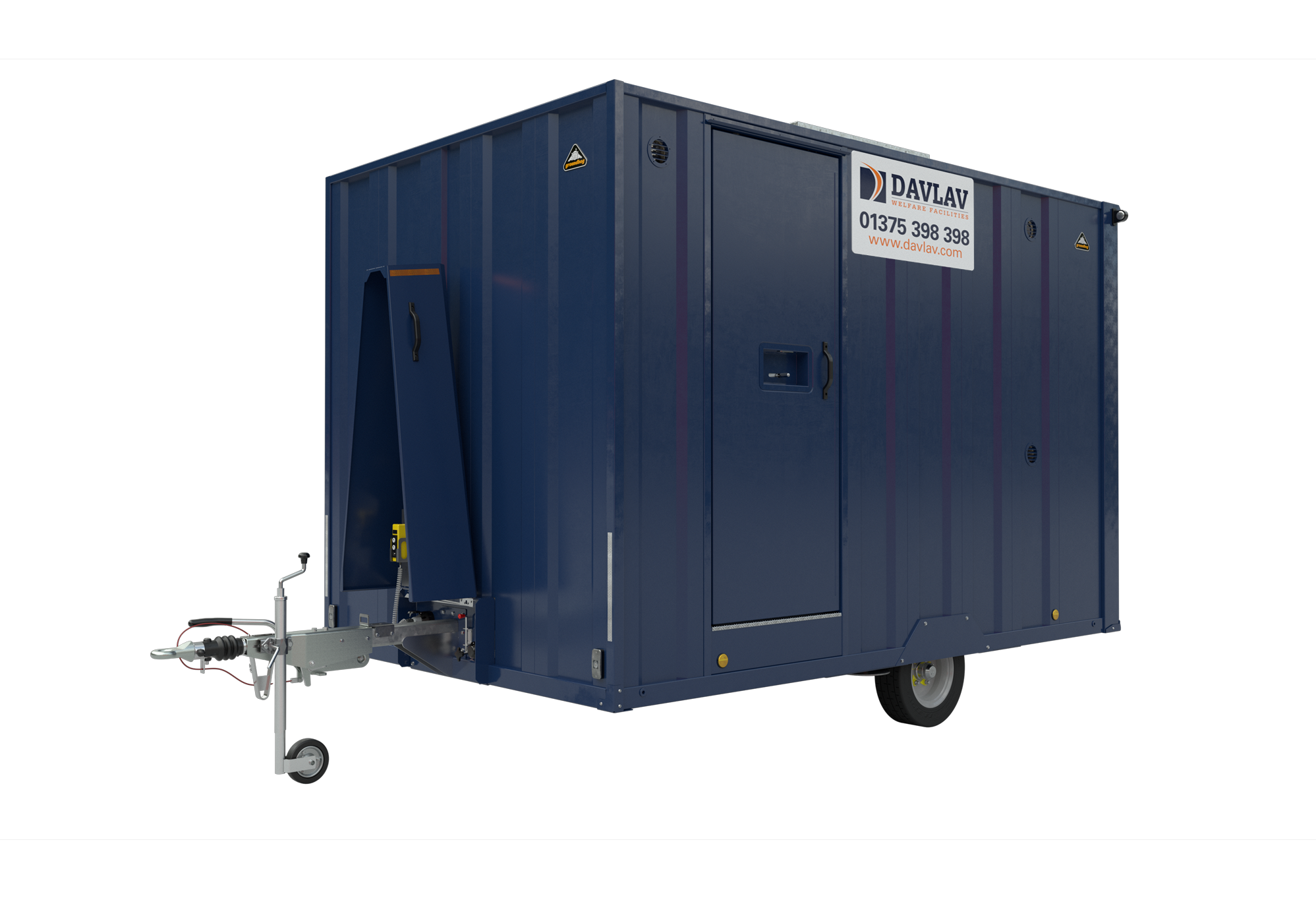
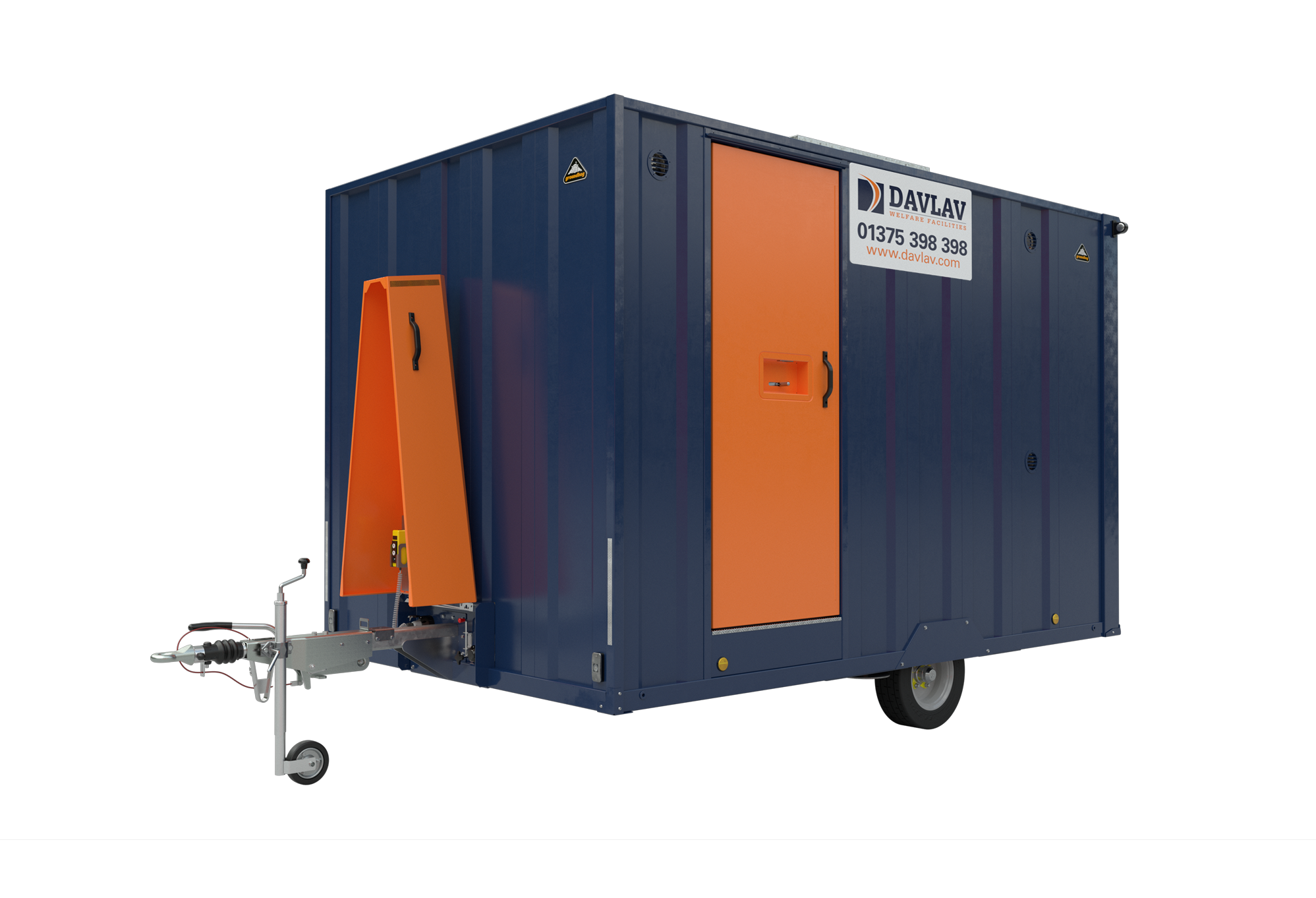
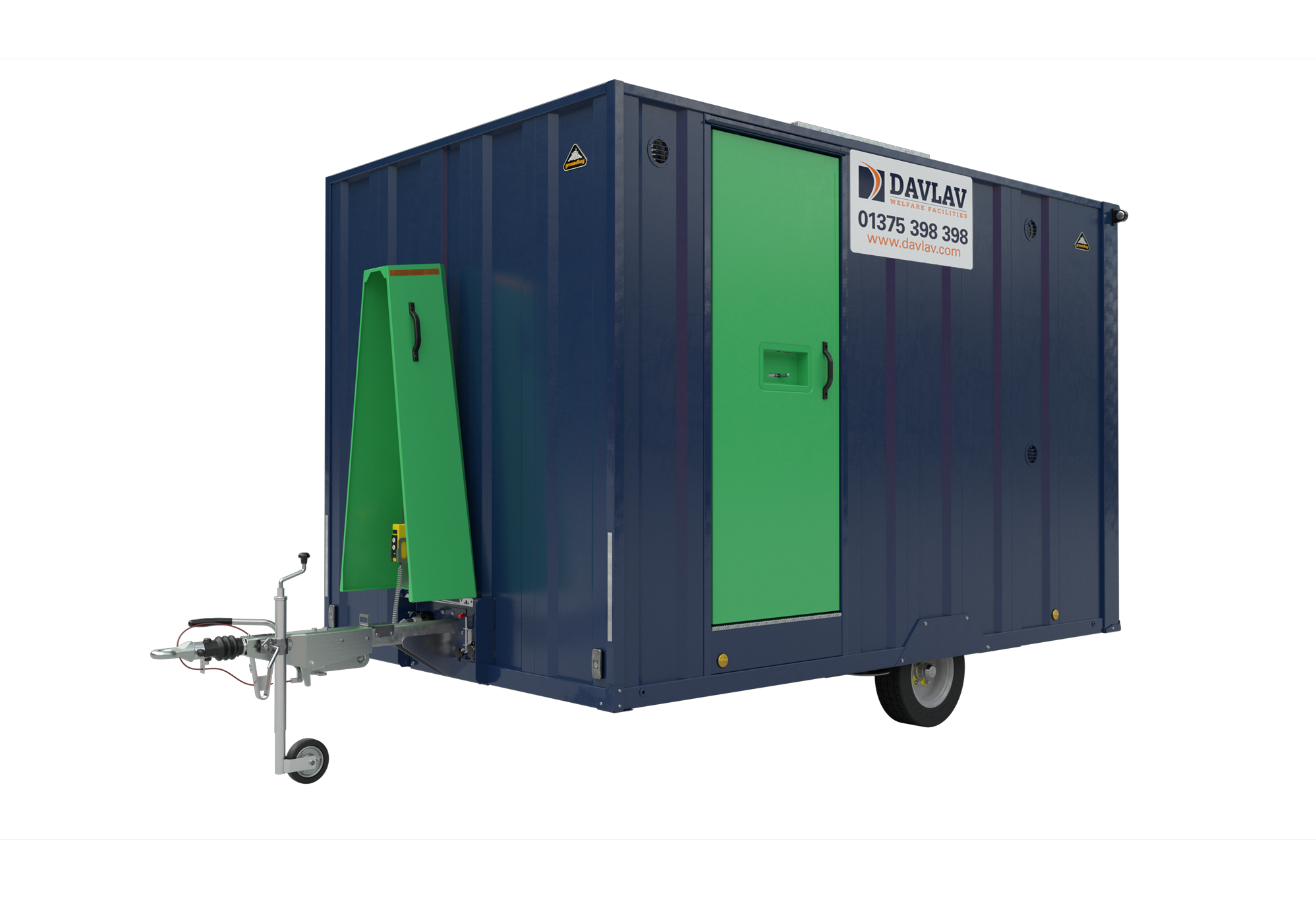
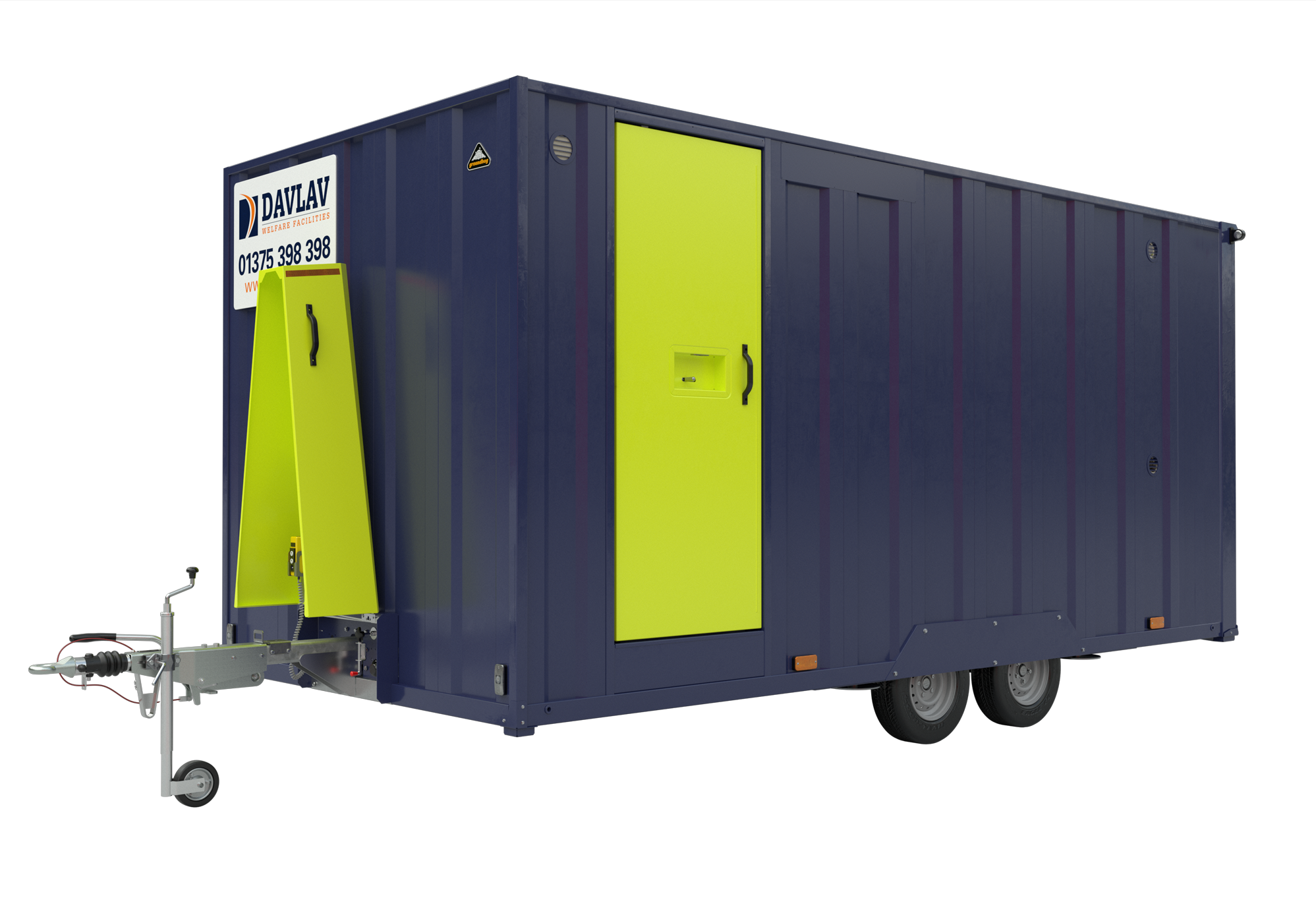
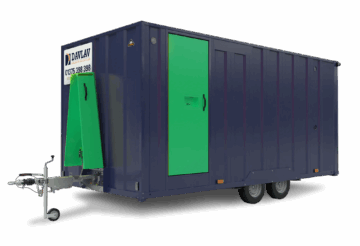
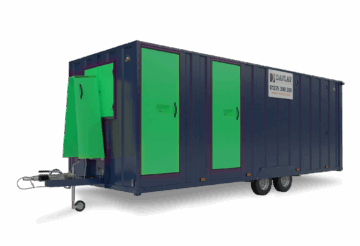
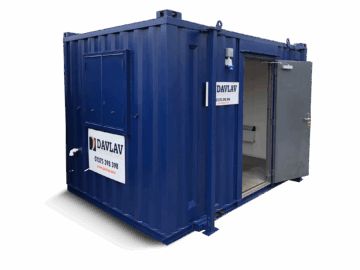
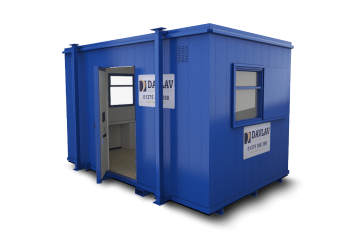
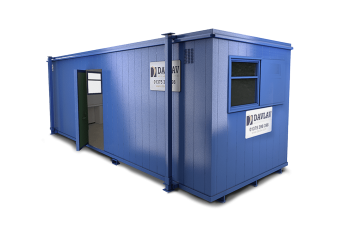
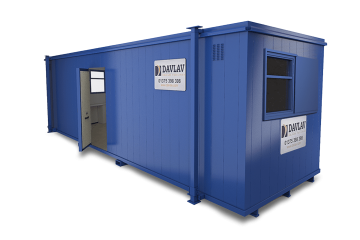
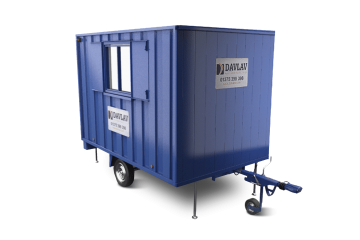
Our solar-powered mobile welfare units include:
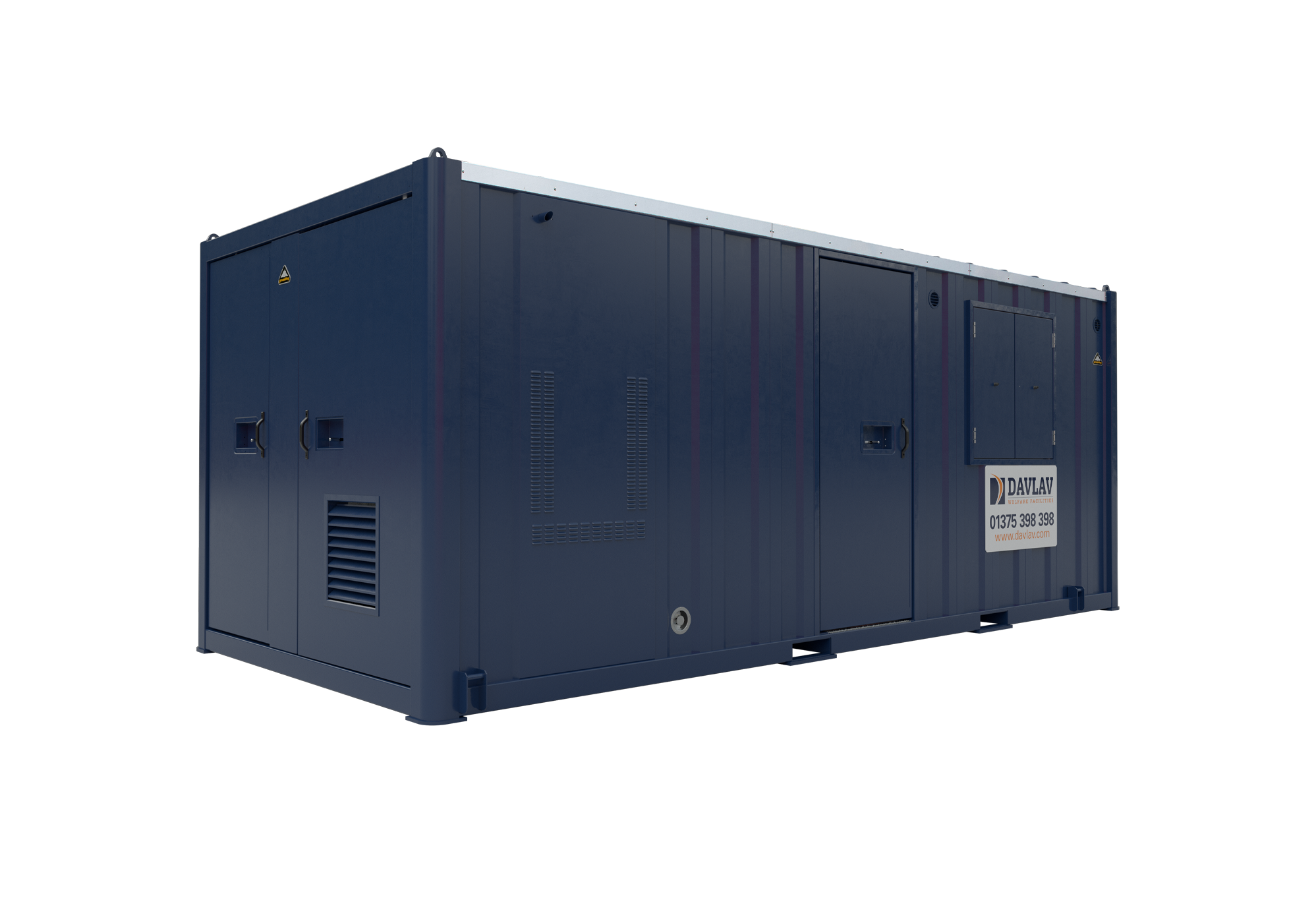
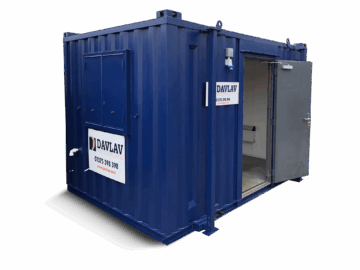
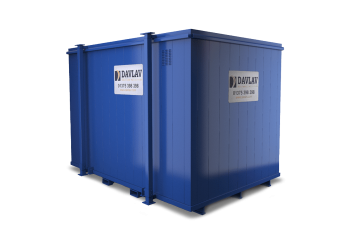
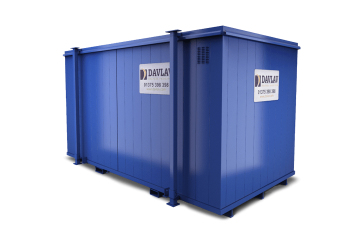
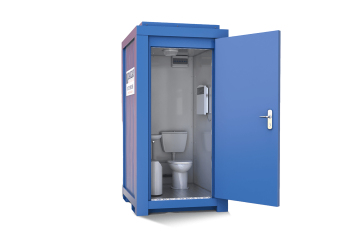
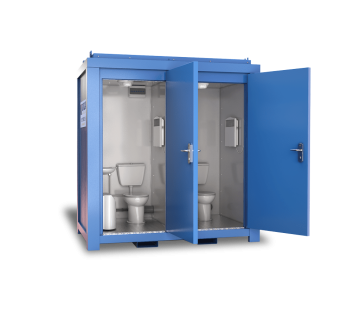
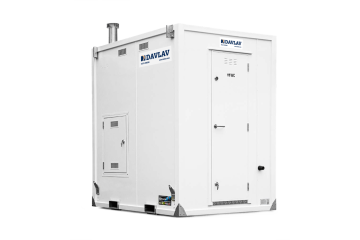
As for our static welfare units, these include:
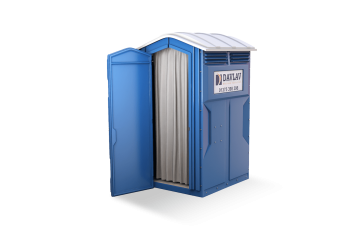
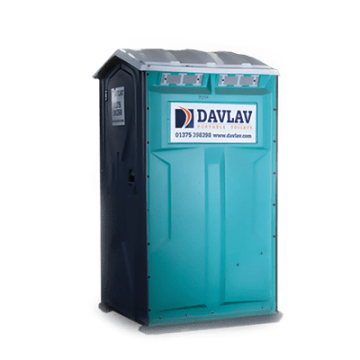
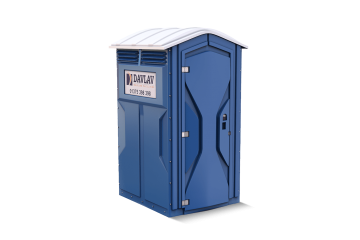
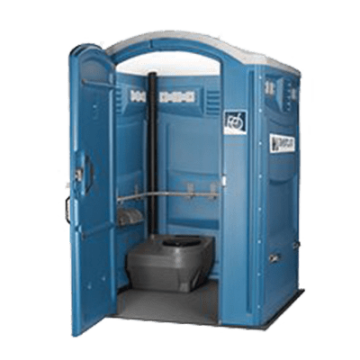
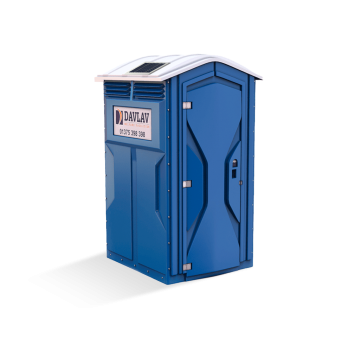
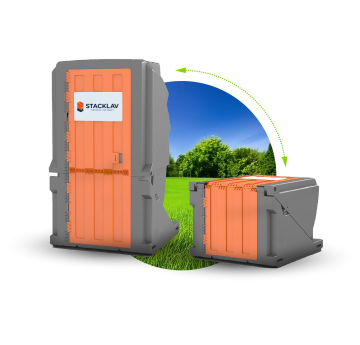
Solar power extends to our portable toilet options too:
Whatever the requirements, there’s a solar welfare solution to fit.
Green D+ HVO Fuel Option
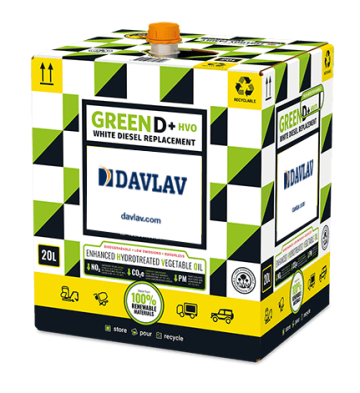
Fuel choice matters just as much as the equipment itself, and this is where Green D+ HVO comes in. This is a fossil-free, paraffinic fuel made entirely from renewable materials, produced from waste fats and vegetable oils. As a drop-in replacement for standard diesel, it works in existing equipment without requiring any changes to machinery or generators.
Delivery is handled through a bag-in-box fuelling system, a more contained and manageable way to supply fuel to site compared to standard tanker delivery.
For sites carefully considering construction site welfare and its wider environmental impact, switching fuel type is one of the more straightforward changes available, without doing anything to the equipment that’s already in use.
Choosing the Right Eco-Friendly Site Welfare for a Project
Different site layouts ultimately mean different welfare setups. A shorter project or one that may move over time benefits from equipment that can adapt with it, such as mobile welfare units. On the other hand, a more settled site with a fixed layout could lean towards a static welfare unit.
It is crucial not to assume that one eco-friendly feature is always enough on site. To put it simply, the correct approach comes down to matching the site setup to the site’s needs.
Sustainable construction site welfare is built from decisions that are made properly.
Conclusion
Eco-friendly construction site welfare is designed to have minimal impact on the natural environment, whether that’s through the use of solar power, fuel that lowers impact, or facilities designed to use less energy. Whatever the project looks like, there are always ways to implement sustainability in site welfare.