



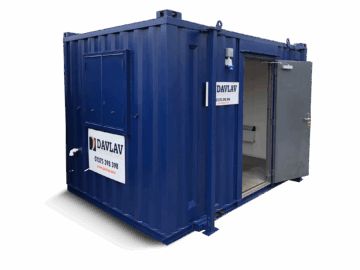
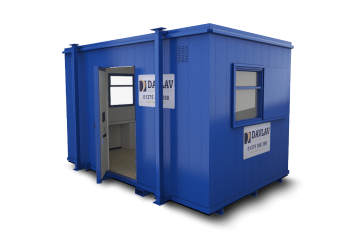
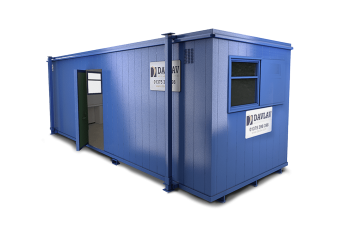
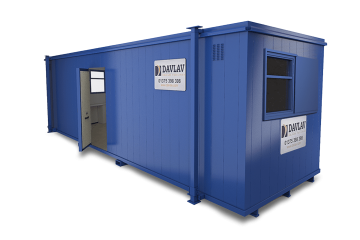



What is a Welfare Unit and What Does it Include?
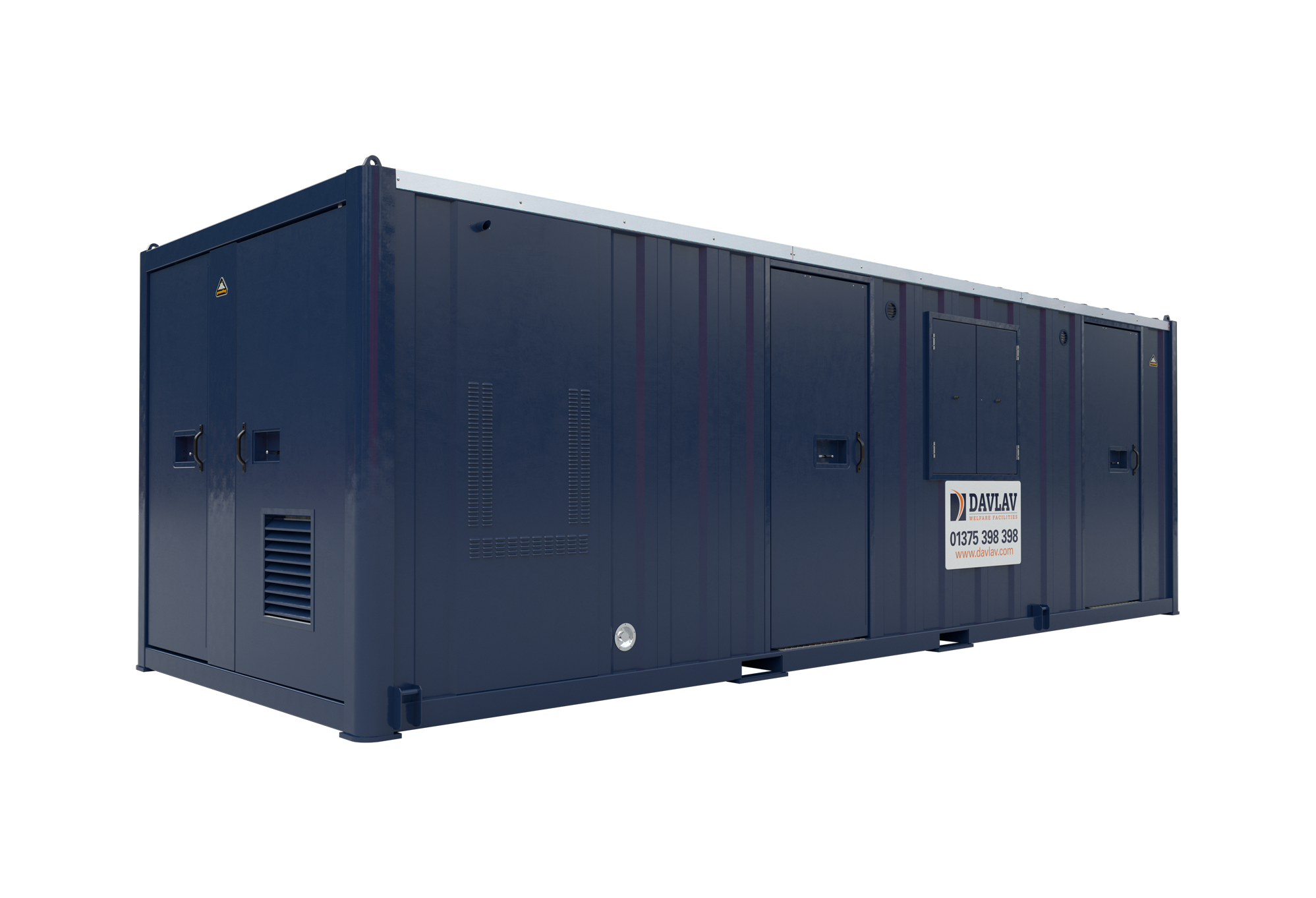
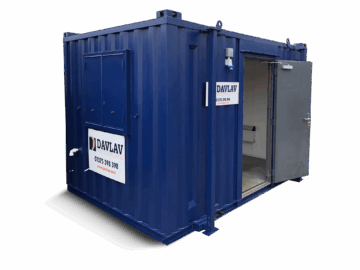
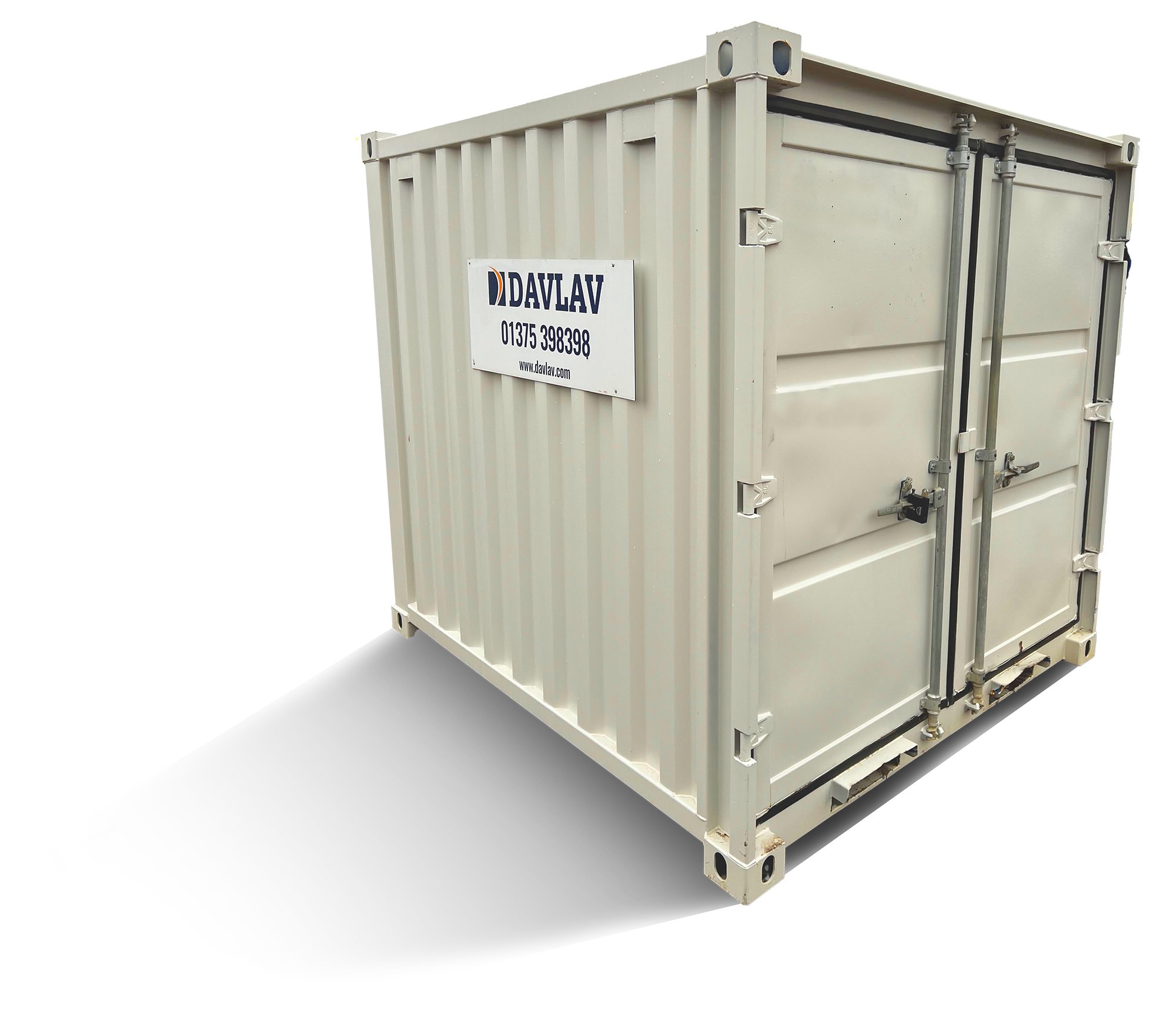
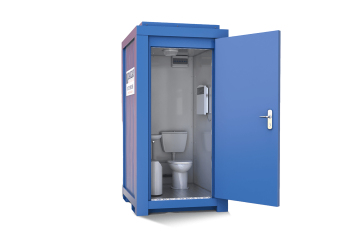
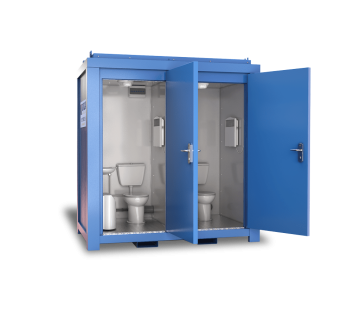
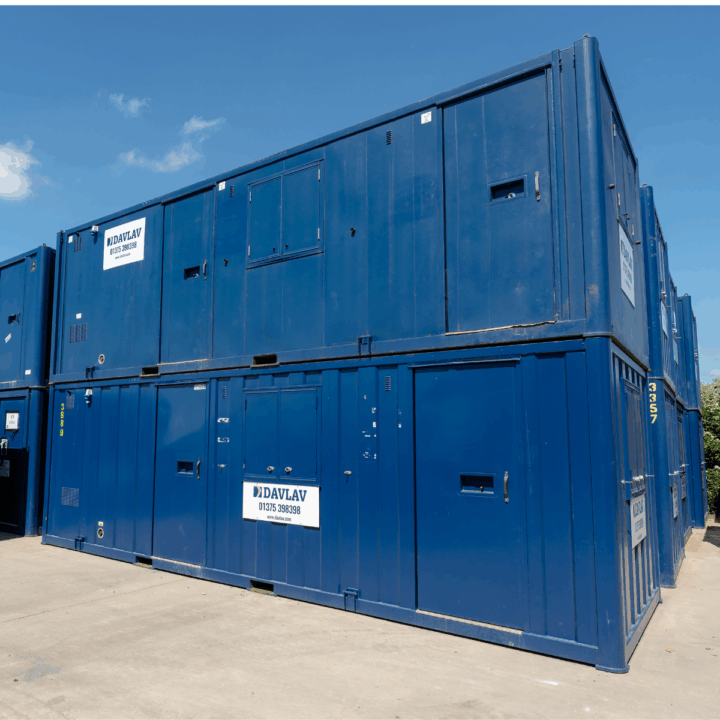
A welfare unit is a self-contained cabin that gives workers the facilities that they need while on site. It’s ready to use upon arrival, so you and your team have proper facilities from the moment it is delivered.
If you are looking to hire a welfare unit for the first time, this guide explains what is included and how to choose the right one for your site.
What Do Welfare Units Include?
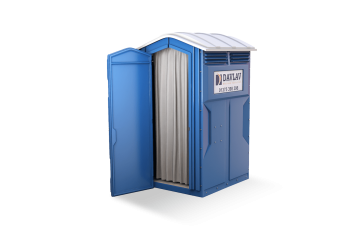
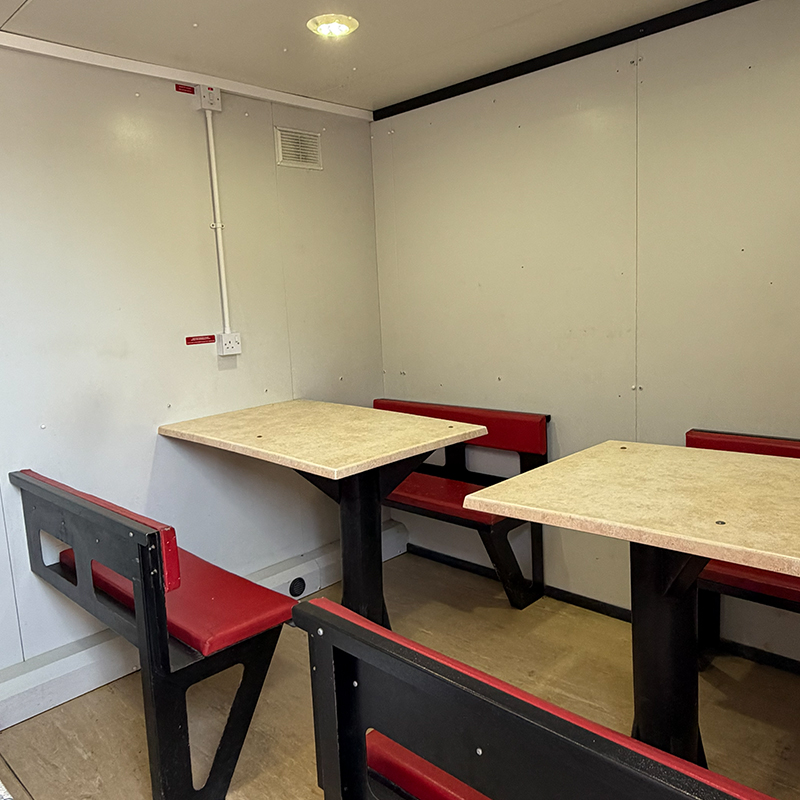
Welfare units are designed around what you and your team require during a working day, although the exact specification varies from model to model. In our welfare units, you’ll find toilet facilities and a drying room. Also, there is a canteen area with seating to allow workers to take breaks, plus a kettle and a microwave. There is also a sink with warm water. Some of the larger units include a separate office space for site managers and supervisors.
Warm water and heating keep the unit comfortable during the colder months, and PIR-activated LED lighting is included.
Everything your team needs is in one place on site. That layout differs between models, so it is important to check the specification of the welfare unit when you plan to hire.
Why Construction Site Welfare Is Not Optional
Construction site welfare is a legal requirement. Under the Construction (Design and Management) Regulations 2015, everyone working on a construction site must have access to toilets and to facilities for washing, changing, eating, and resting. The type and number of facilities depend on the size and nature of the work, and separate facilities for men and women may be needed.
Welfare arrangements are a vital part of any construction site. Welfare units make this straightforward on sites with no existing buildings, because the facilities arrive together and stay on site for as long as your team needs them.
The HSE guidance highlights welfare facilities as an important part of maintaining a safe working environment. Good construction site welfare forms part of running a safe site, so it’s definitely worth planning your welfare unit before the project starts.
Mobile Welfare Units and Static Welfare Units
We offer two main types of welfare units.
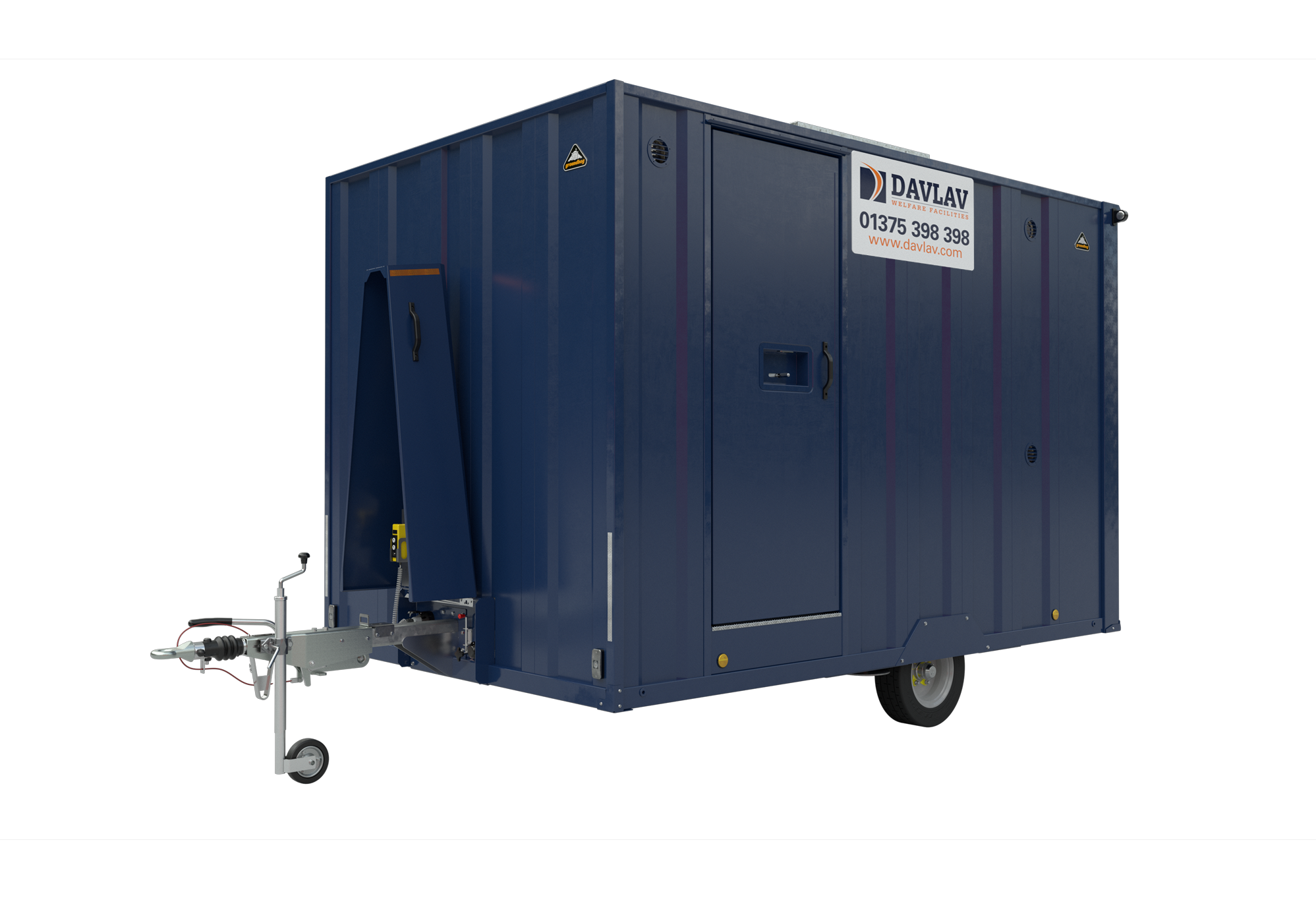
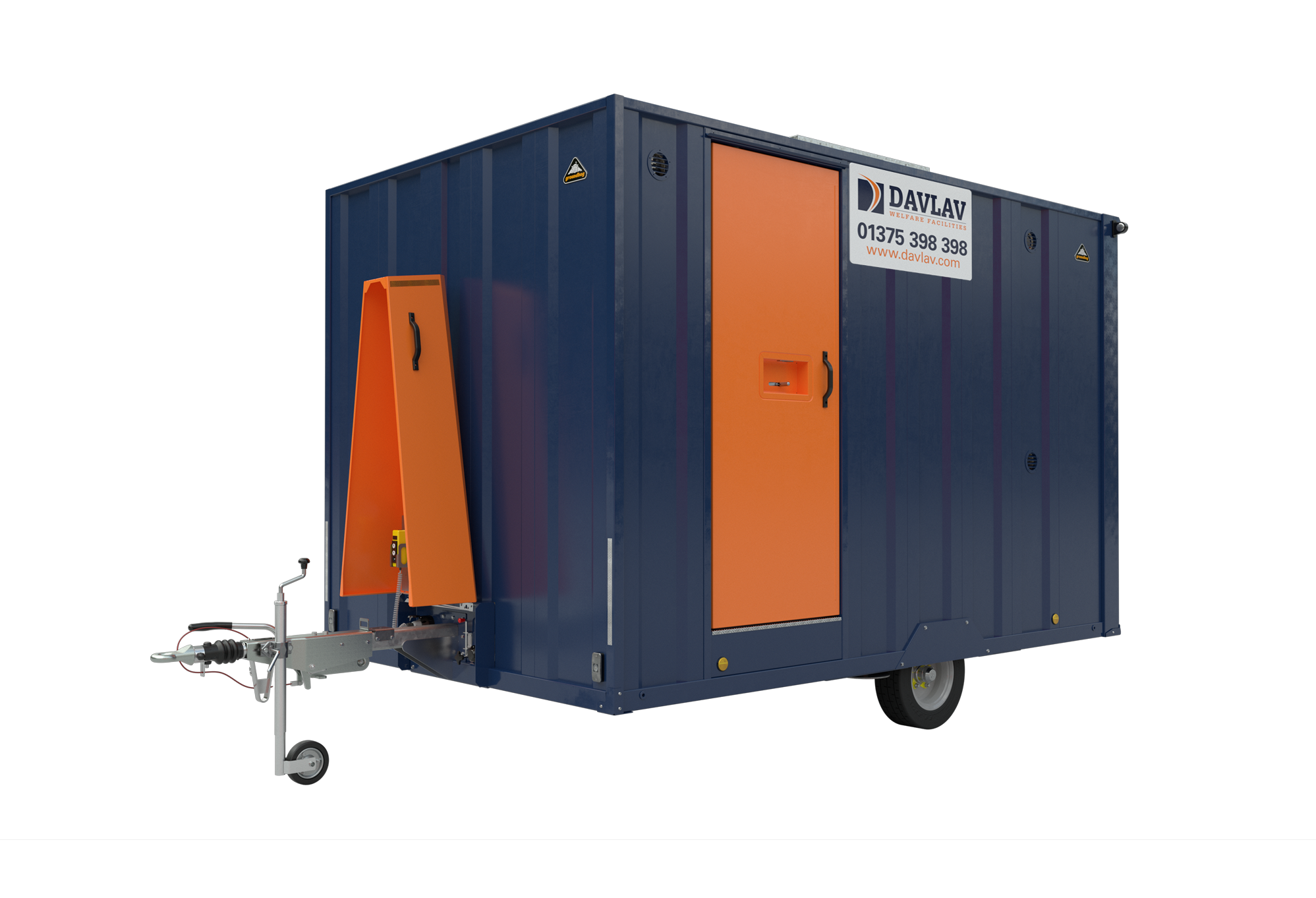
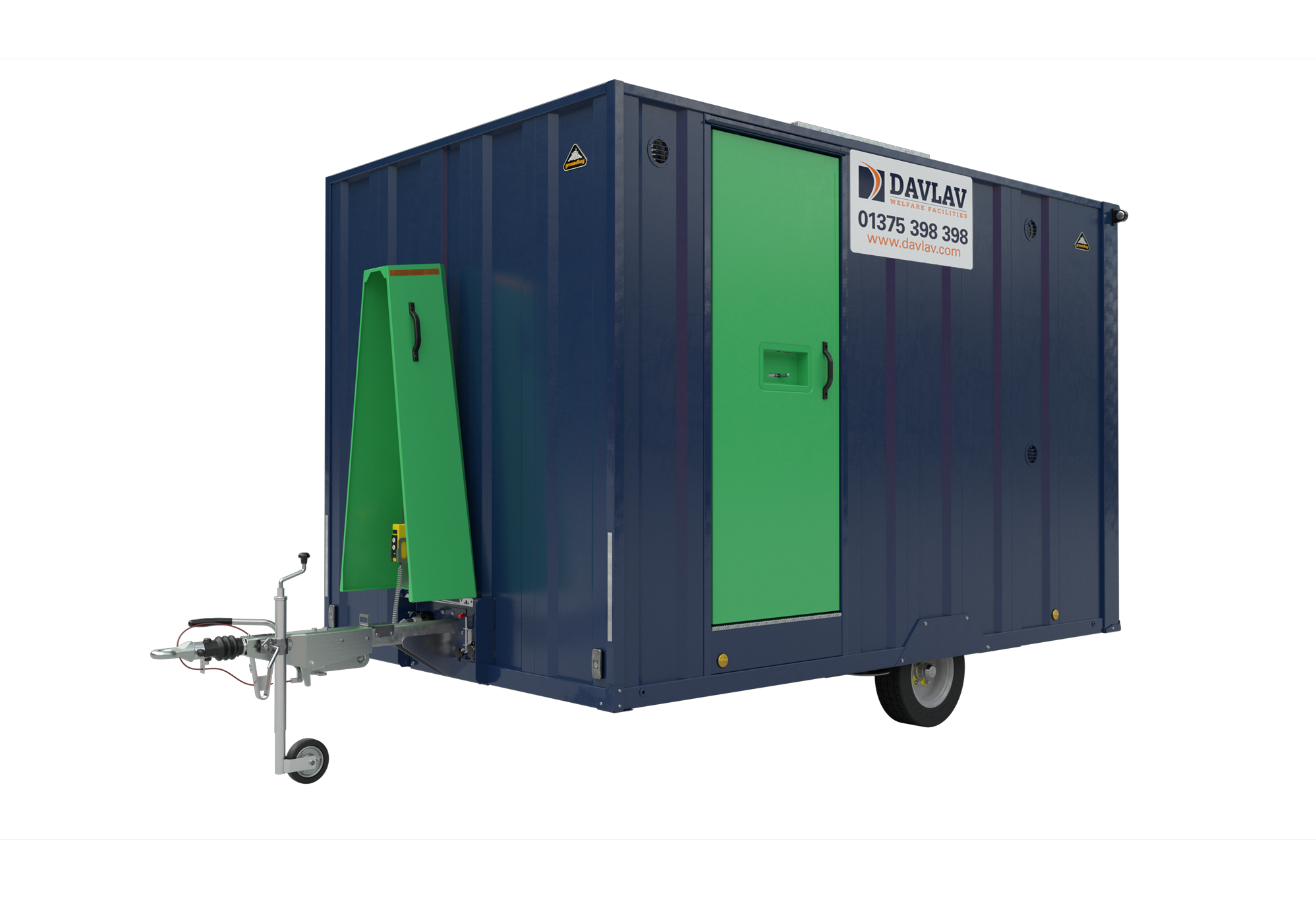
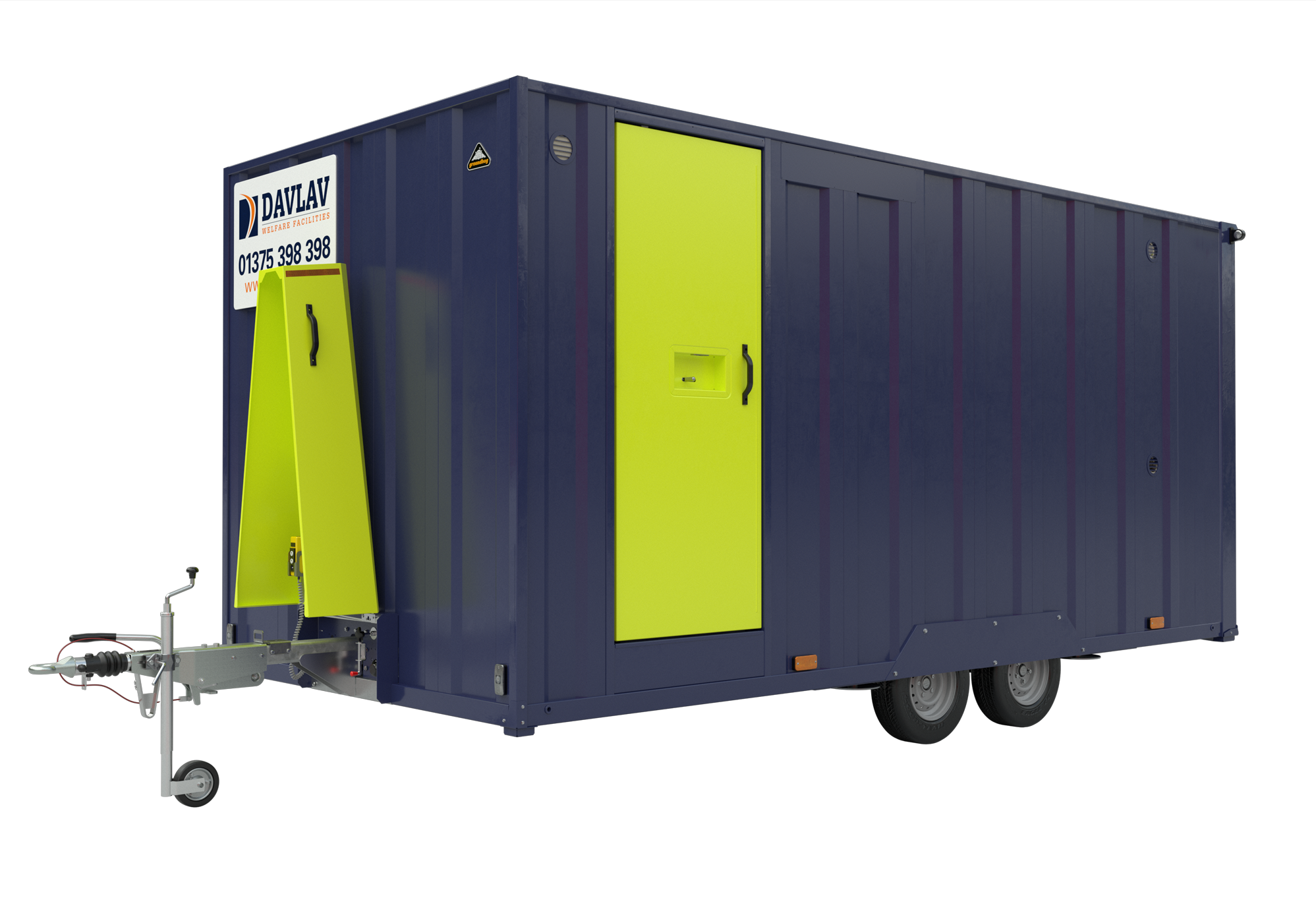
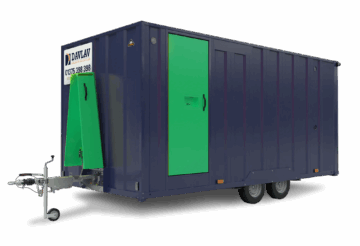
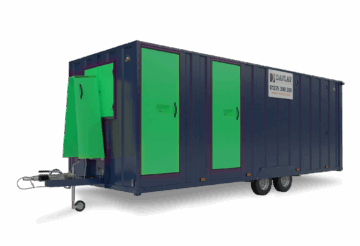
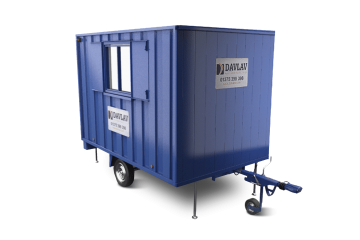
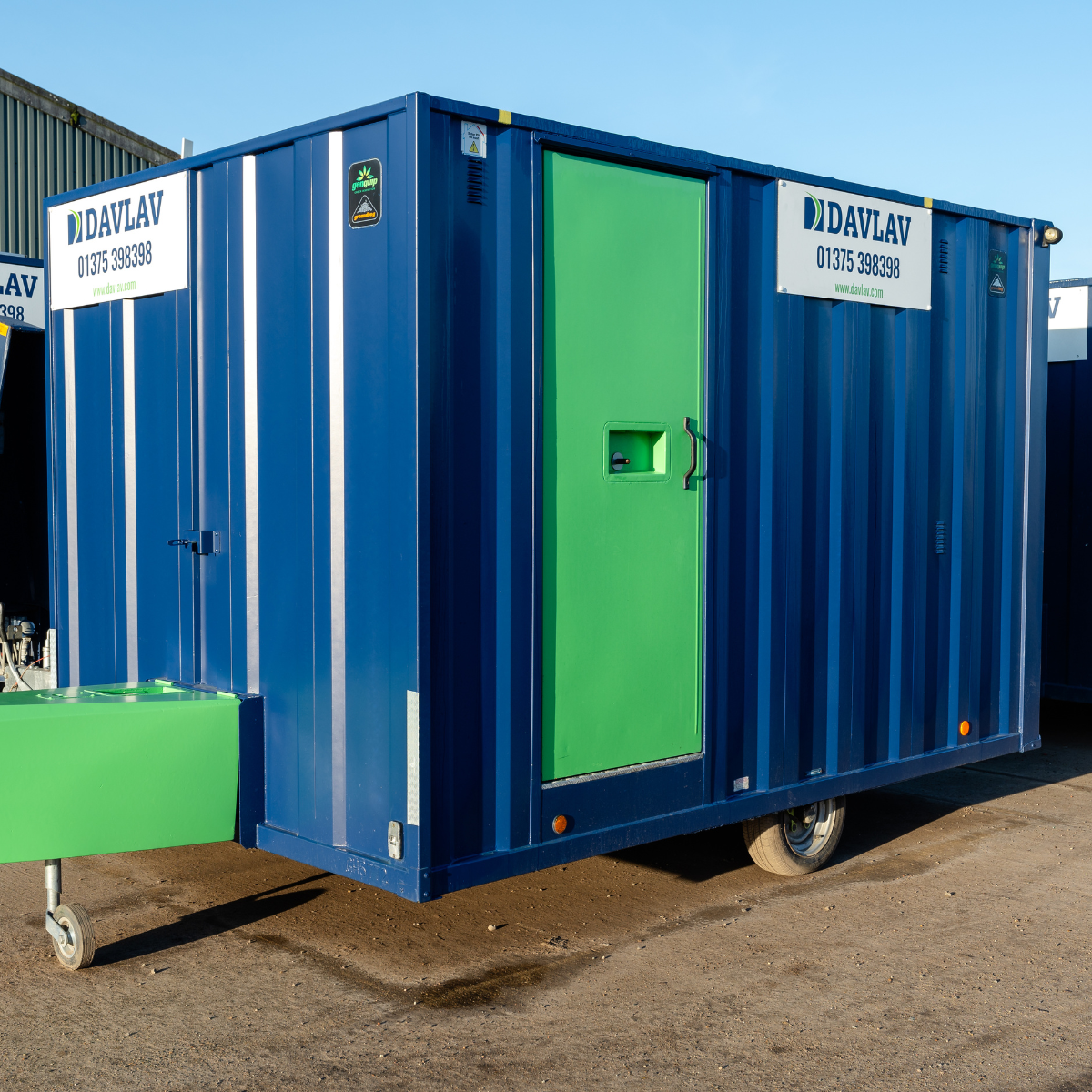
Mobile welfare units are towable, so they can move with the job and can be positioned quickly. That makes them a strong fit for jobs such as roadworks or rail maintenance, where the location often changes.
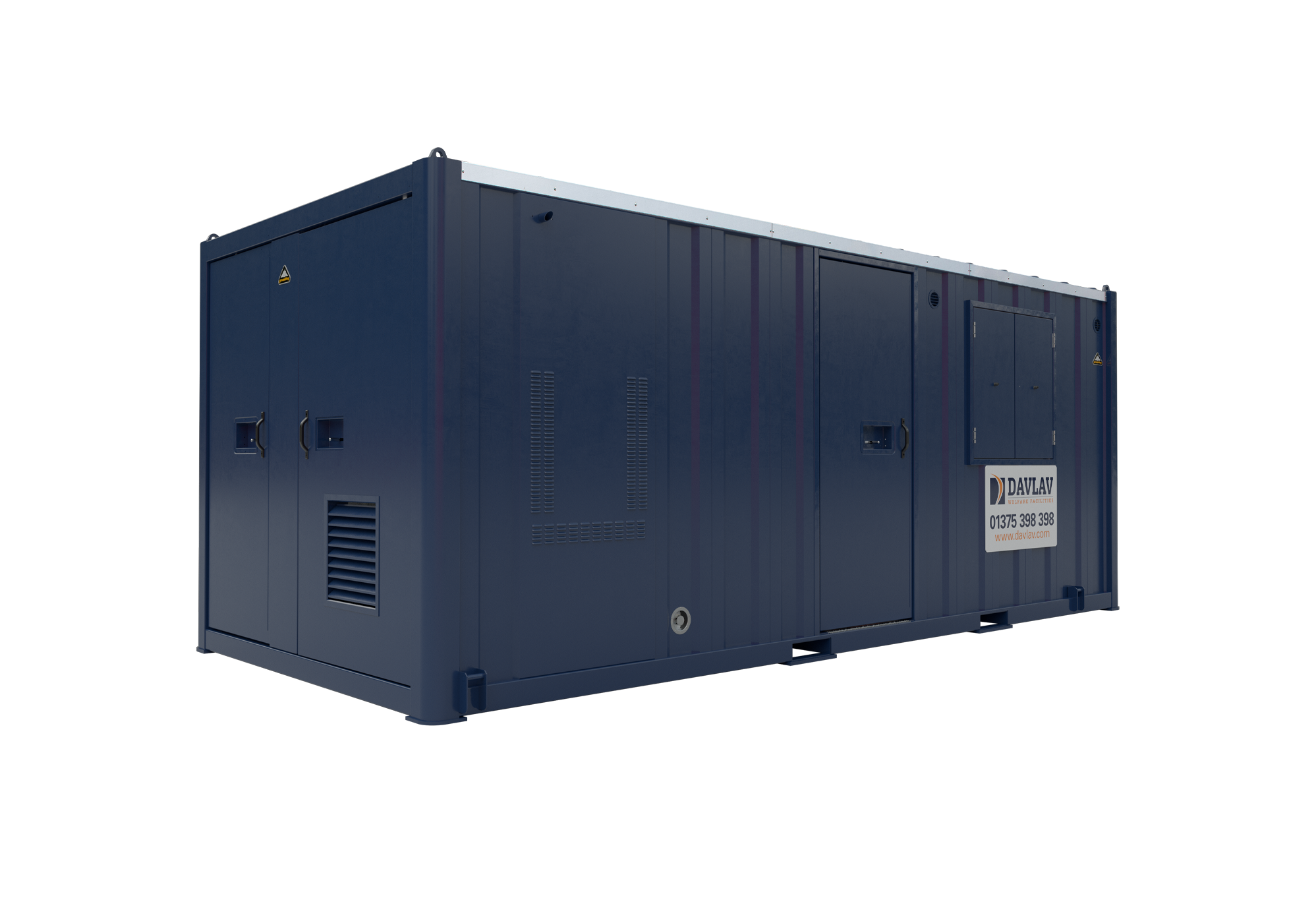
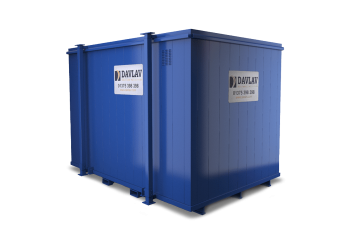
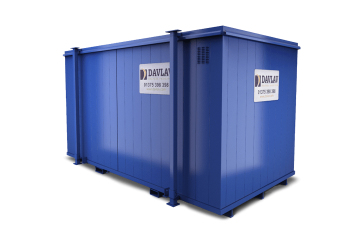
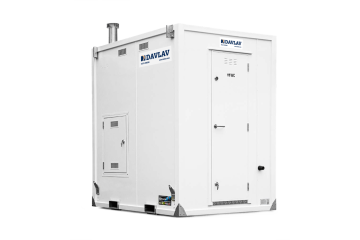
Static welfare units stay where they are placed and are suited for longer projects where the same team is based on site. Throughout the work, they give workers a designated welfare area where they can take breaks and access essential facilities.
Our guide to static welfare units vs mobile welfare units compares the two in more detail.
Powering Welfare Units: Fusion and Solar Welfare Solutions
Power affects how the unit performs on site, and this is worth considering before you hire. Our standard models run on an onboard generator.
Our fusion models pair that generator with an efficient power system, so it only has to run for short periods to keep the unit heated and lit for much longer.
Our solar fusion models add a roof-mounted solar panel that pairs with a smart generator backup, which reduces generator run-time even further.
Solar welfare solutions address a very practical issue, as running units all day uses fuel and creates noise pollution. Less generator runtime results in lower fuel use and a quieter site, helping move towards better sustainability.
Fusion and solar fusion options are available across both mobile and static welfare units, so the choice of power does not limit the choice of layout.
What to Consider Before Choosing Welfare Units
Looking at the size of your team is a good place to start. The unit should have the capacity to accommodate everyone, giving people the chance to rest, take breaks, use the toilet without waiting in a queue, and dry their equipment.
Positioning is very much worth considering here. HSE advises planning where facilities will go before work starts and placing washing facilities close to the rest and eating areas. It also suggests considering how far the furthest part of the site is from the nearest facilities. Facilities should be available whenever workers are on site.
Finally, determine if noise and fuel use will be a concern on your project. If so, solar welfare solutions are worth exploring from the start. Once you have settled these points, choosing between welfare units becomes much simpler, and construction site welfare is far easier to plan. If you would like help matching welfare units to your site, our team can talk it through. Get an instant quote or contact us here.
Sources