






Darker Days Ahead? Your Welfare Units Shouldn’t Notice
The mornings and evenings are getting darker, a shift that can catch sites out. This is because a good welfare setup in the brighter months might feel increasingly dull and flat when darkness looms. A welfare unit that stands out won’t be affected by the gloomy months.
Why Lighting Matters More as the Days Get Shorter
Space designated for welfare that depends mostly on natural light can feel completely different depending on the time of year. That space could end up noticeably darker, less comfortable, and ultimately uninviting for people to take breaks and rest in autumn and winter. Morale is affected when workers are forced to take their breaks somewhere like this, and it additionally means that the facilities aren’t used the way that they’re meant to. Good welfare units account for this from the start, instead of dealing with it as the days get shorter.
What’s Actually Built in to Handle the Dark Mornings
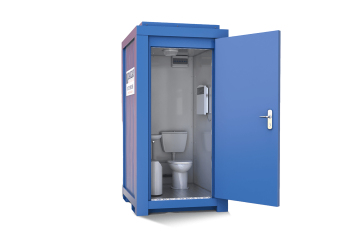
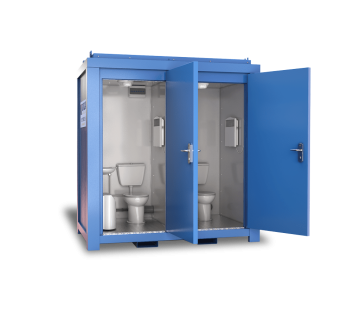
This comes down to the details most people don’t think about until they’re missing. PIR lighting is fitted as standard across our range, so lights come on automatically without needing a switch. Double glazing and proper insulation matter just as much, keeping a unit warm even as the natural light and heat drop off.
Our welfare units are built to this standard and perform at their best, all year round.
Solar-Powered Units That Keep Working After Dark
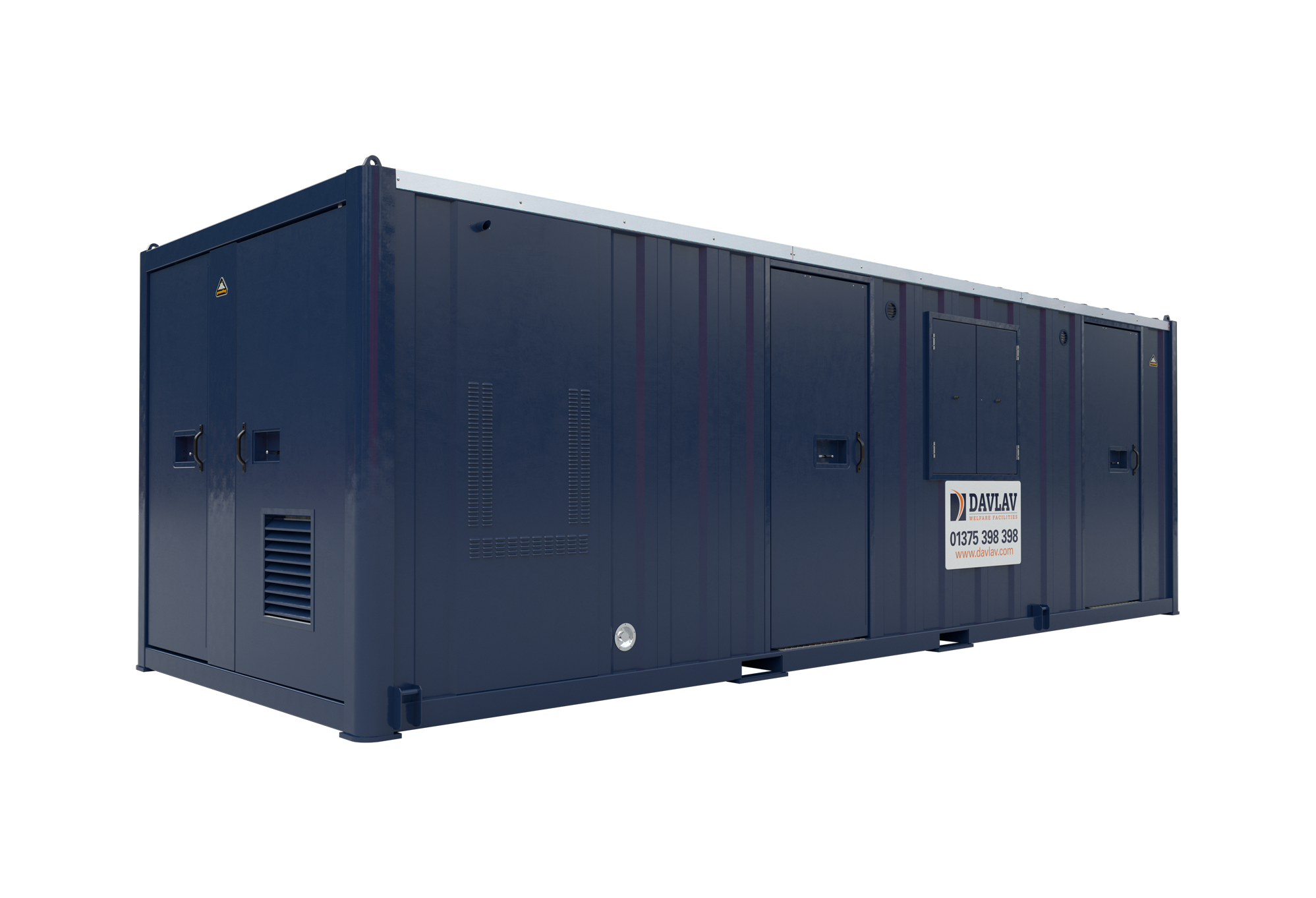
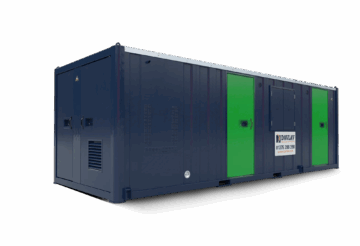
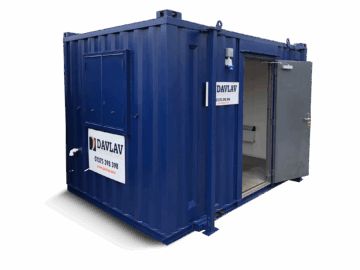
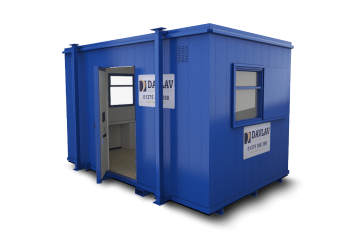
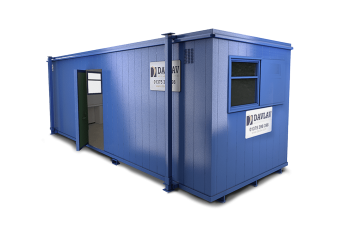
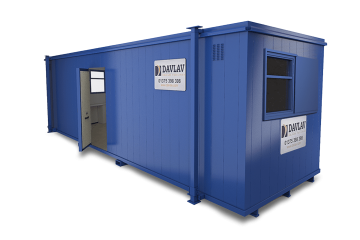
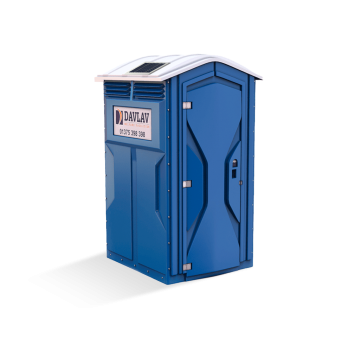
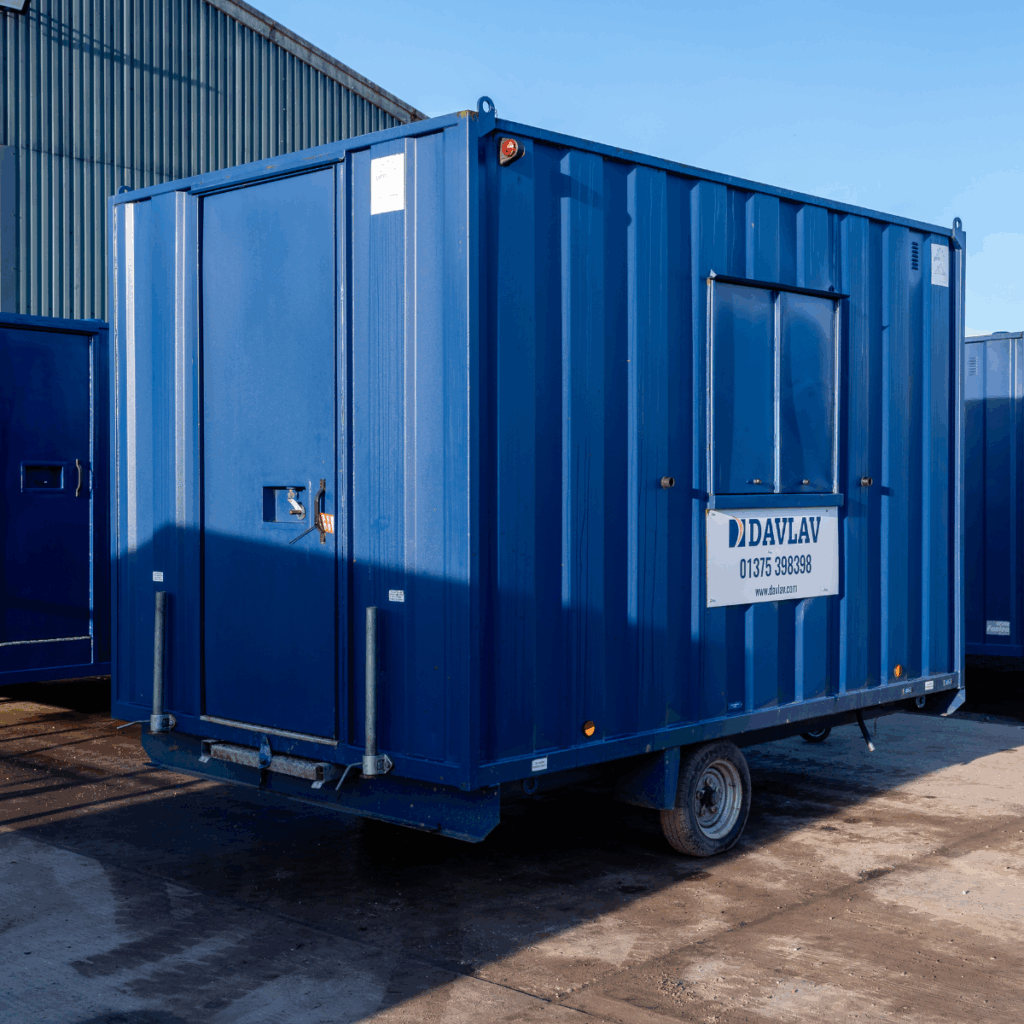
Solar welfare solutions are designed to help sites reduce fuel consumption and generator runtime throughout the year. A roof-mounted solar panel works with a generator backup, so there’s less reliance on the generator running constantly to keep lighting and heating going. Many of our welfare units come in a solar version, covering a wide range of sizes. Our solar-powered range includes:
GP360 Solar Fusion
GP500 Solar Fusion
GPO500 Solar Fusion
GPO660 Solar Fusion
SW6100 Solar Fusion
SW7600 Solar Fusion (6KVA)
SW7600 Solar Fusion (9.8KVA)
Solarlav
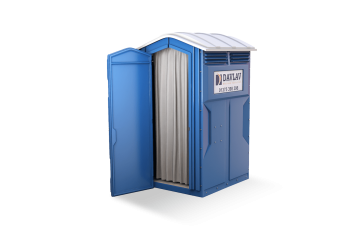
Solar Toilet Pod
As a result, there’s less generator noise and less fuel used, particularly through the autumn and winter months.
Getting Your Setup Right Before Winter Properly Arrives
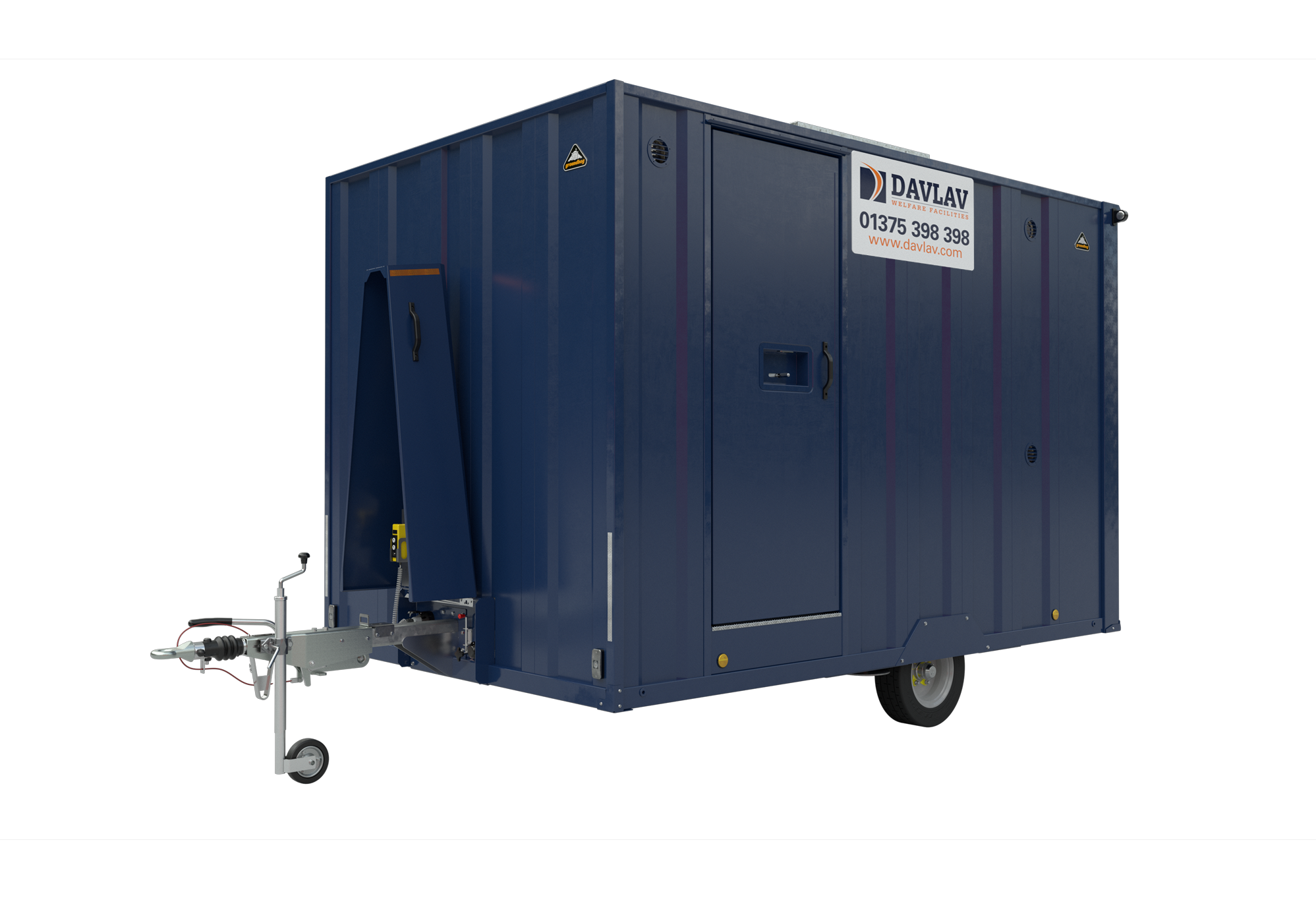
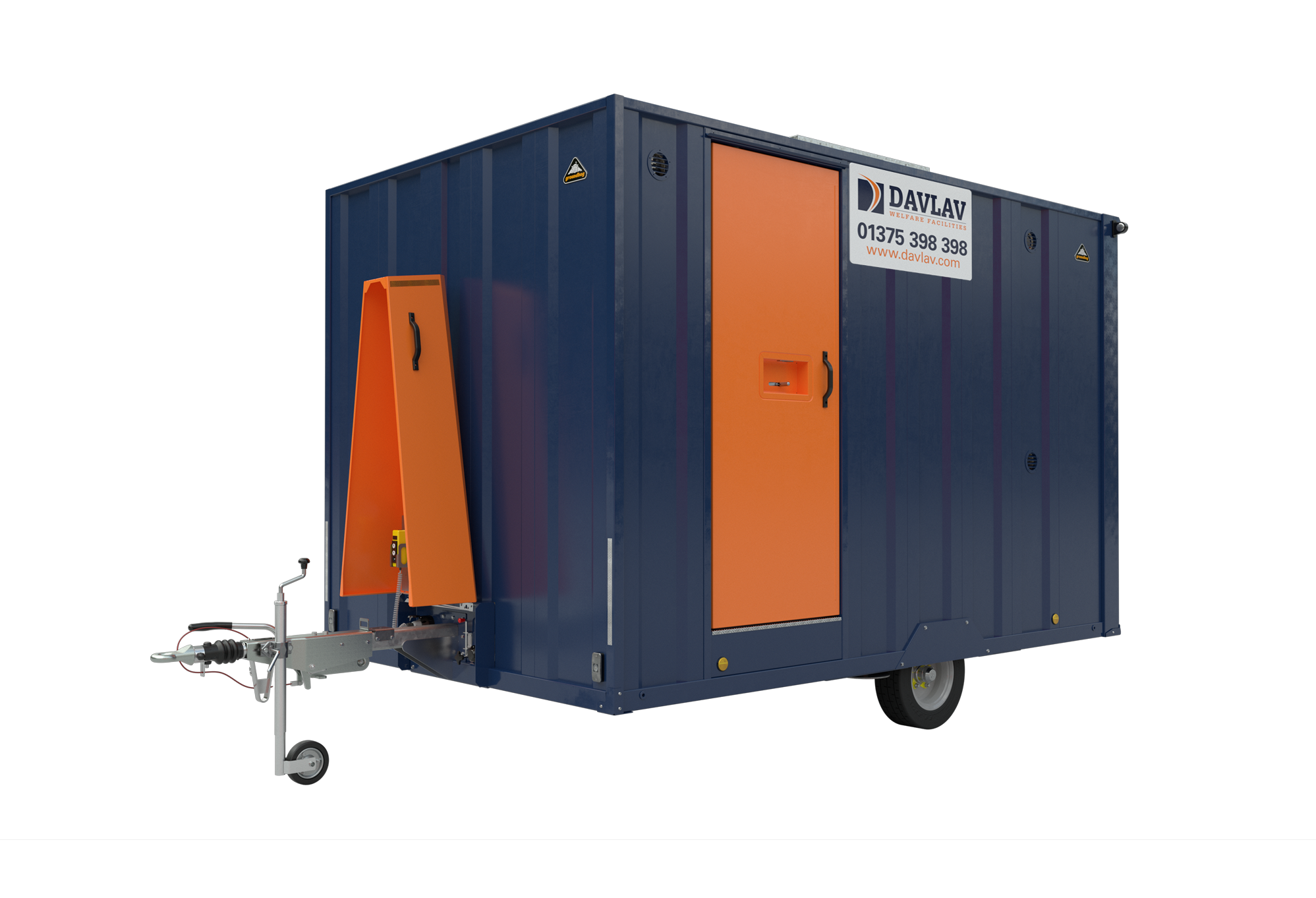
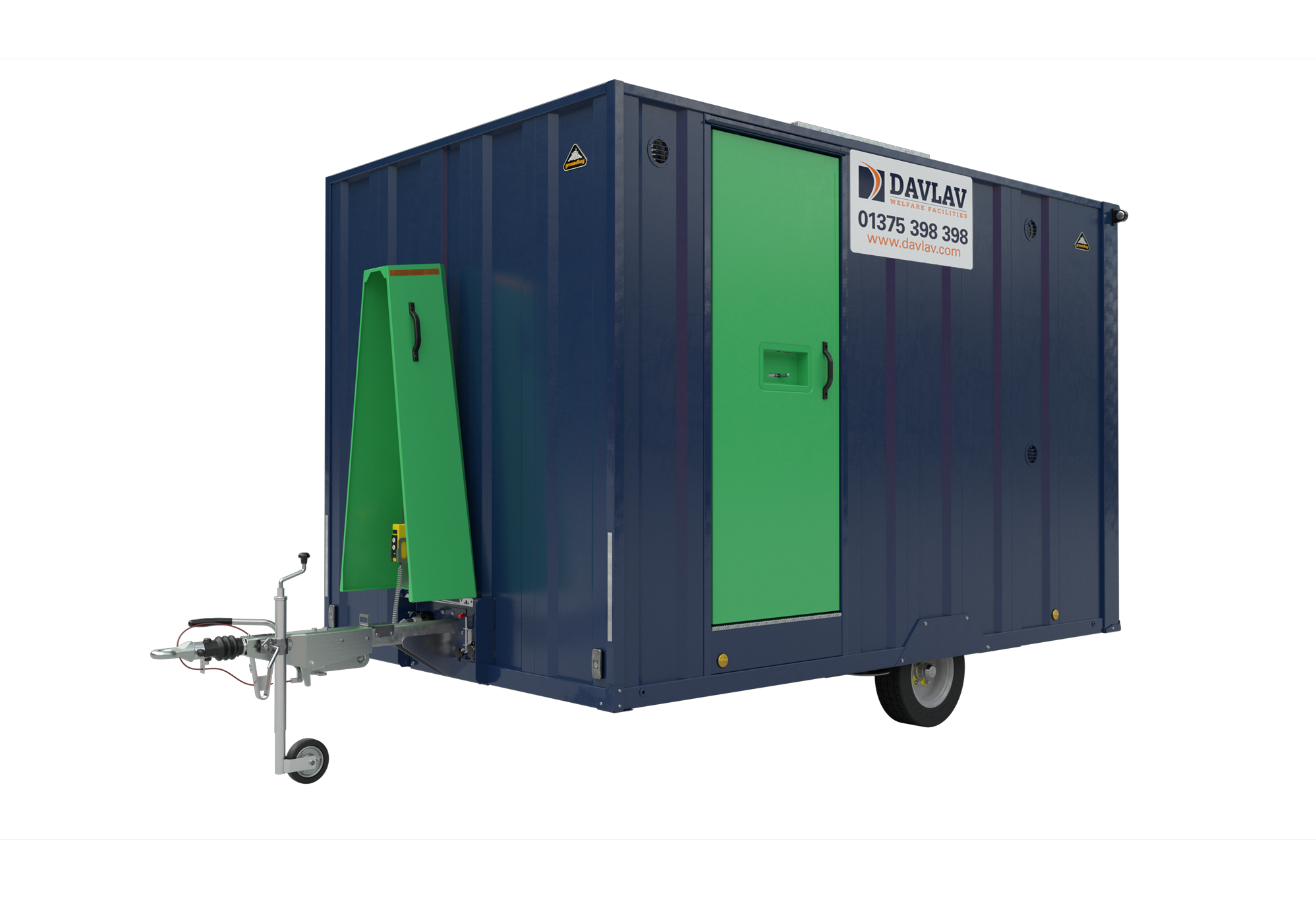
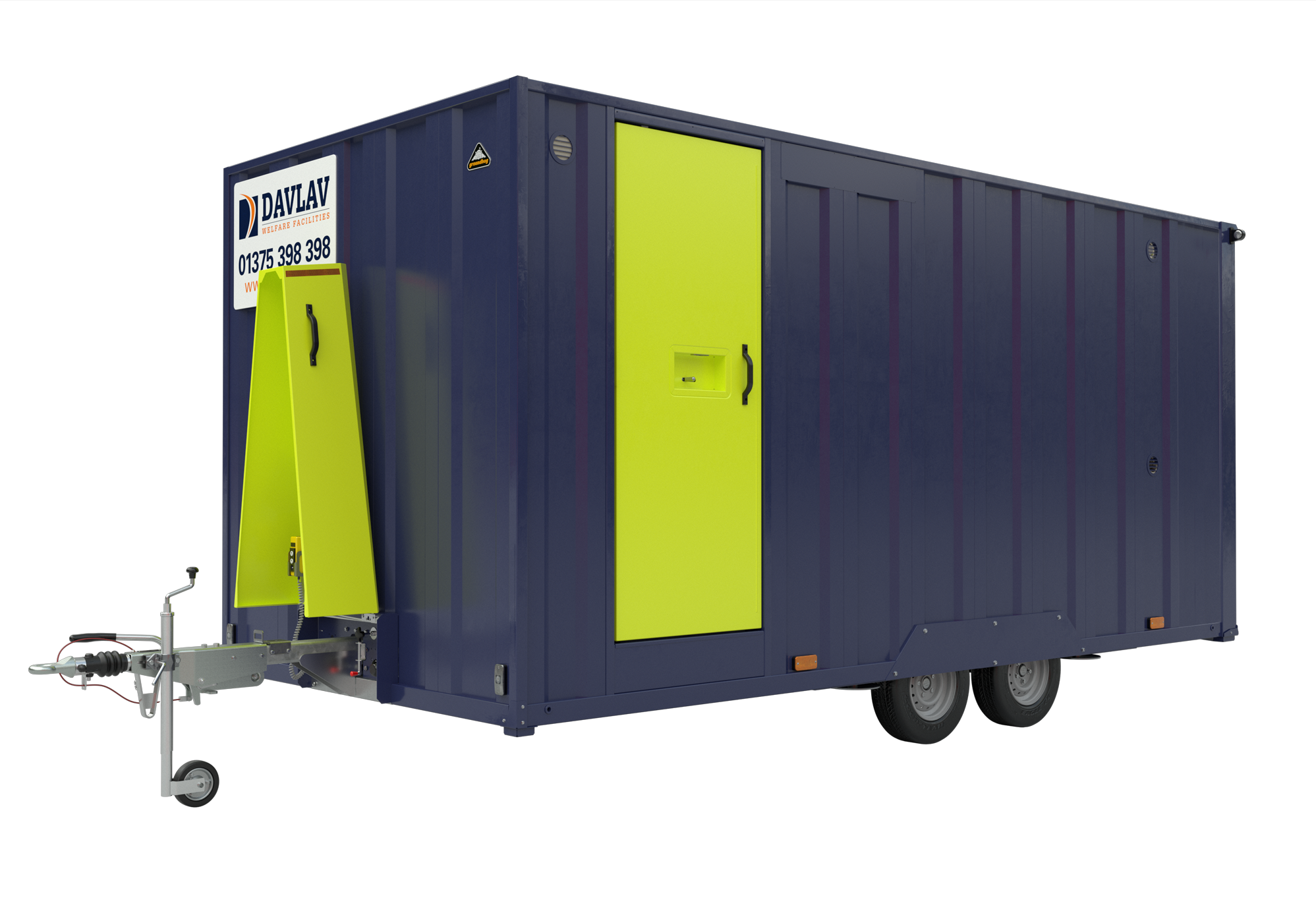
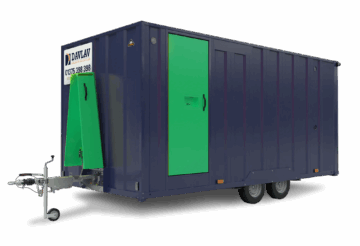
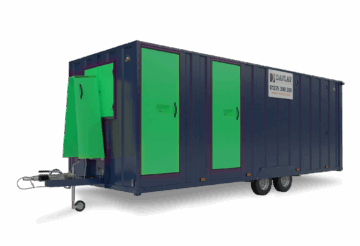
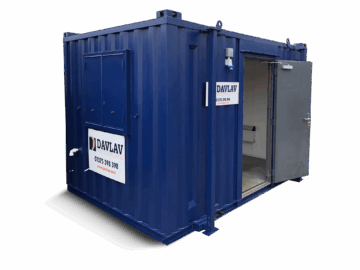
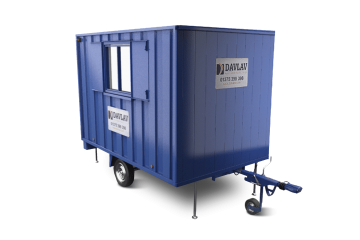
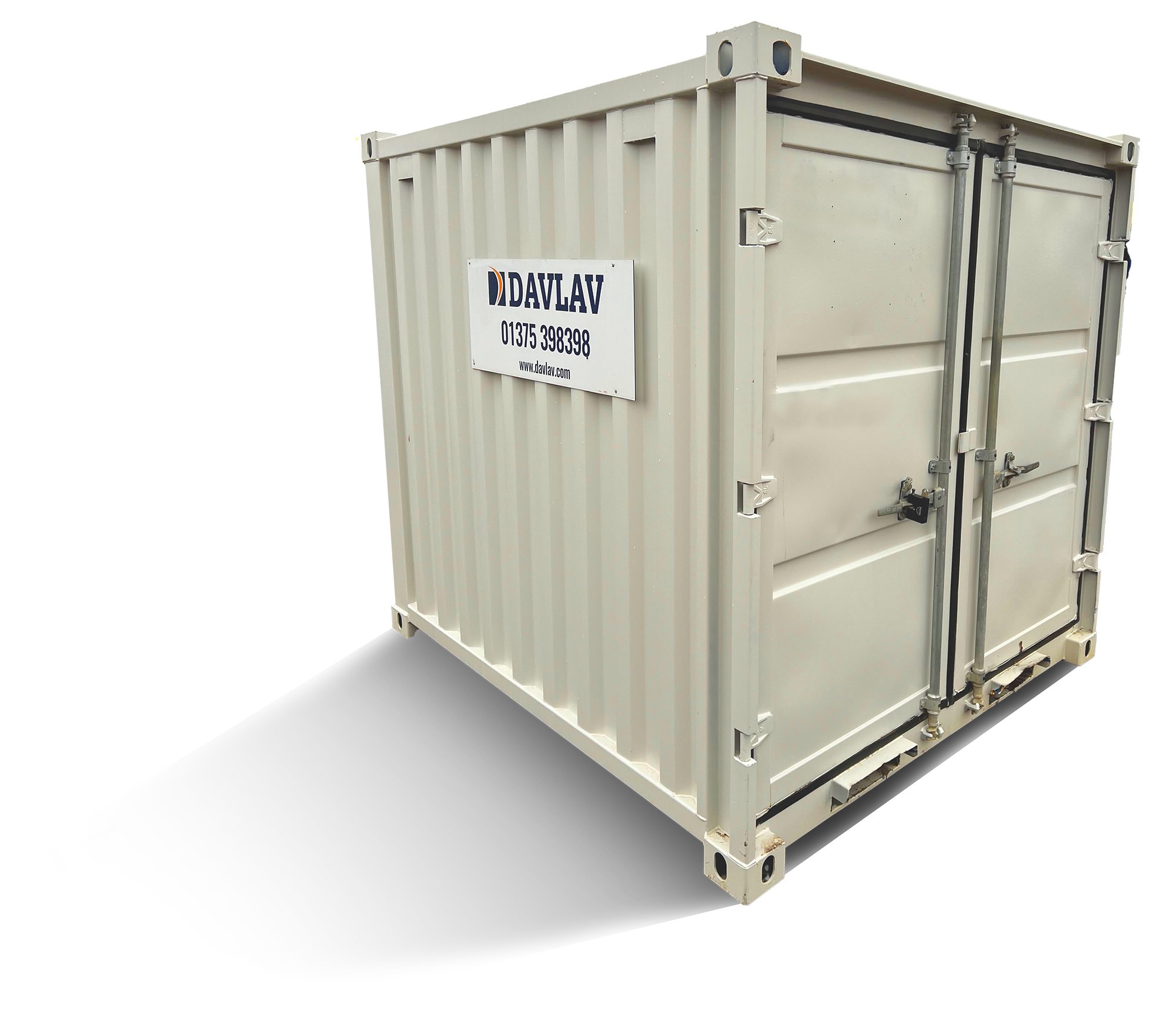
Tailoring the setup to how your site works is the right choice. If it is regularly moving, then mobile welfare units are a sensible choice, as they can be repositioned with ease as the job progresses rather than staying in a fixed spot.
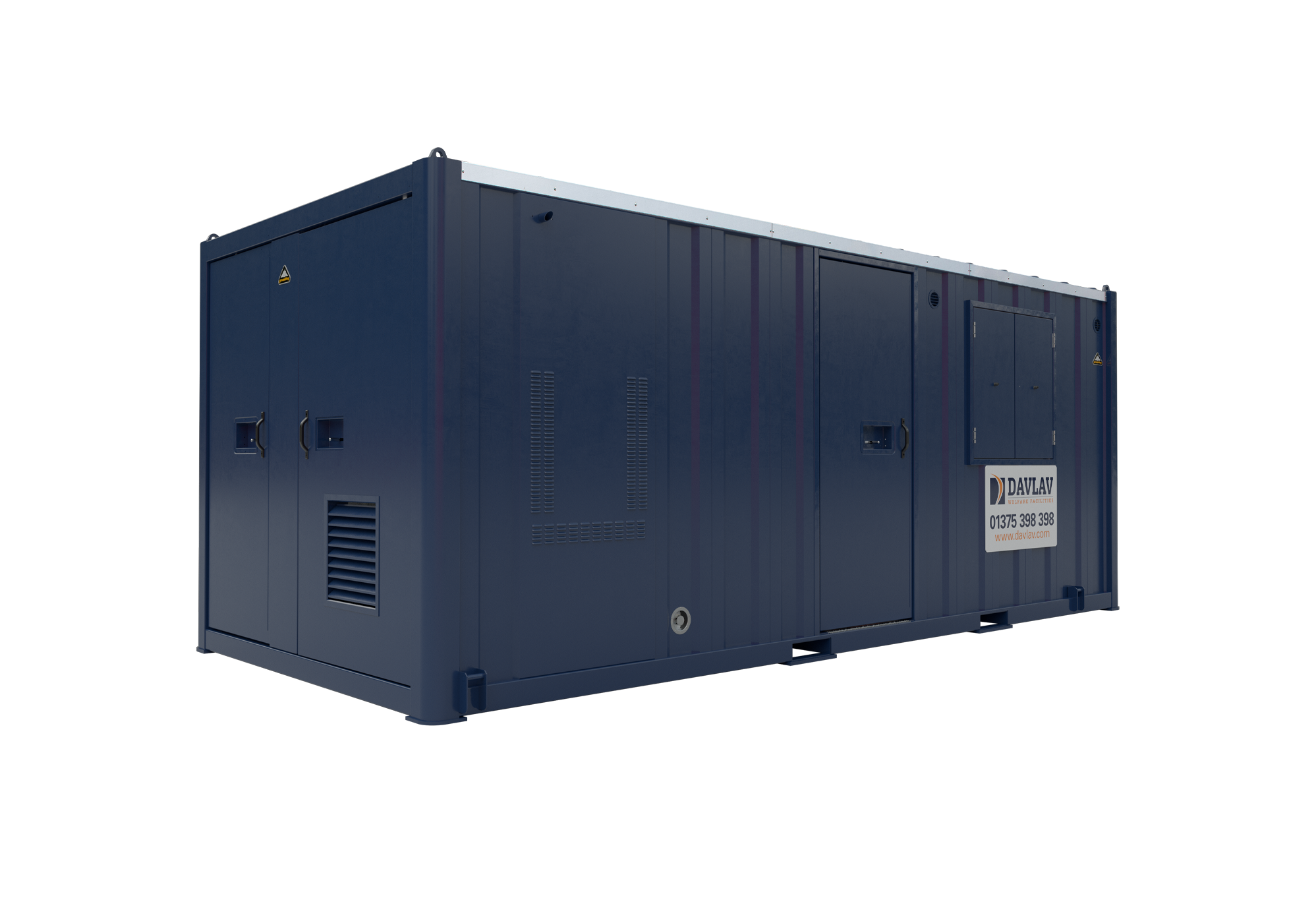
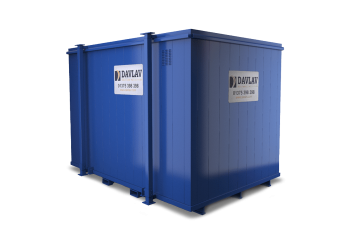
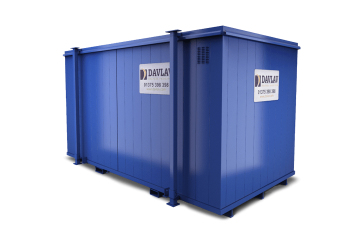
Longer projects with a layout that won’t move tend to suit a static welfare unit better, one that can be positioned on site and stay there throughout the entire duration.
Ultimately, whatever option suits your site the most, they all include the correct features to keep welfare comfortable as the daylight drops off.
Conclusion
Darker mornings, earlier evenings and shorter days are simply part of working through autumn and winter. What matters is having welfare facilities that continue to provide a comfortable place for people to take a break, stay warm and recharge throughout the working day.
Getting your welfare setup right before the colder months arrive means your site is prepared for the changing conditions, rather than having to make adjustments once winter is already underway.