











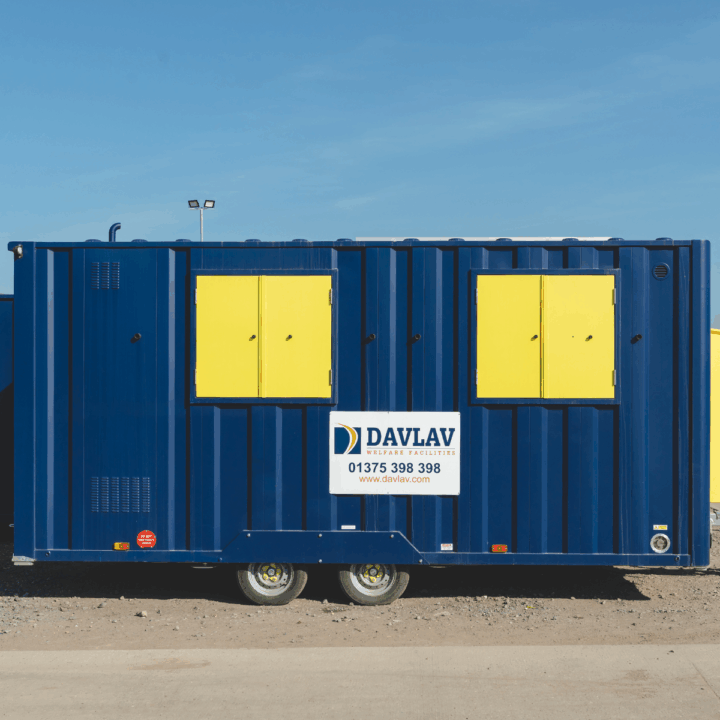
How Site Layout Affects Your Construction Site Welfare
When considering construction site welfare, is your focus on the units themselves, what to hire, what sizes are needed, or how your site welfare setup actually fits into your site’s layout?
This can be overlooked; however, layout makes a big difference, more than some may realise. The right placement of welfare facilities can make a huge difference to how a site operates, improving efficiency and daily workflow.
Taking the time to properly plan your site welfare setup means everything will work together as it should. The overall layout directly affects how well the site will run.
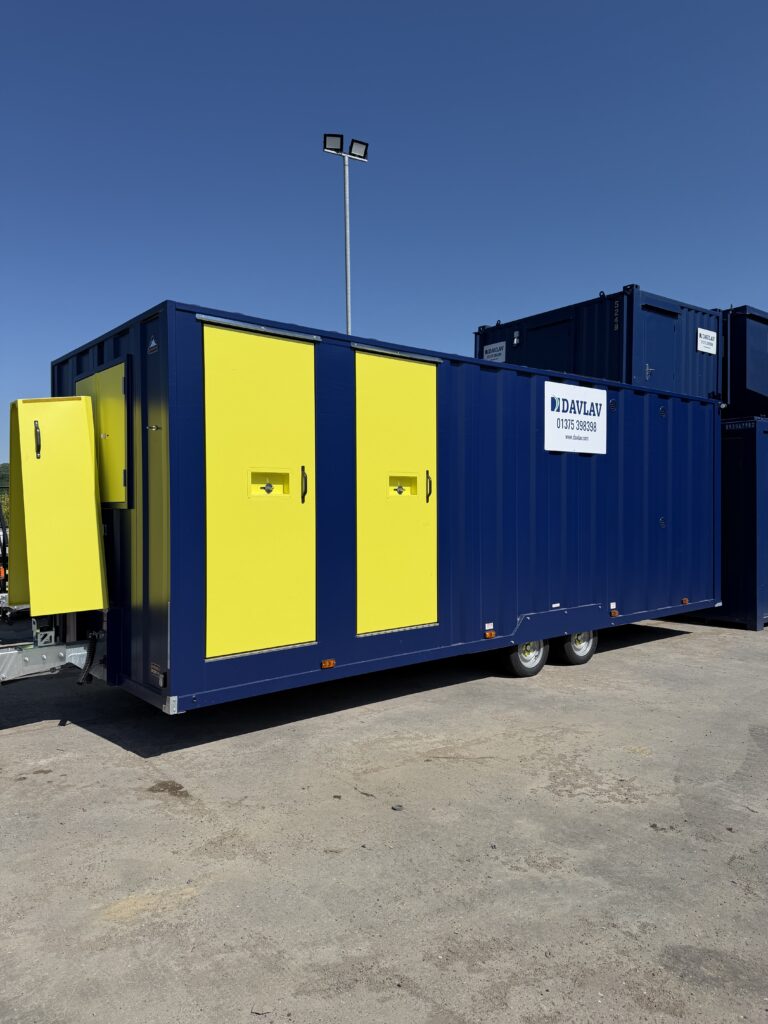
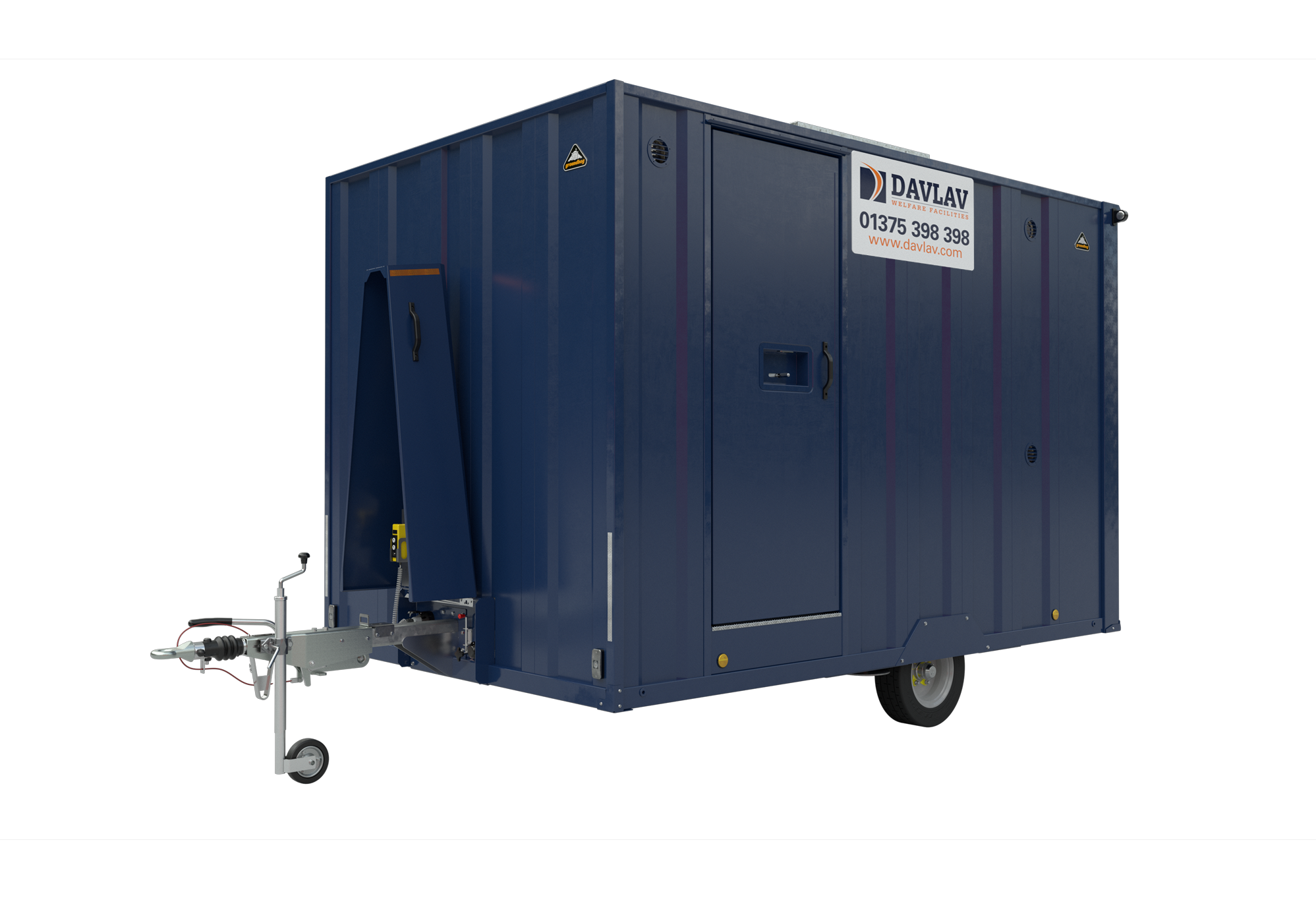
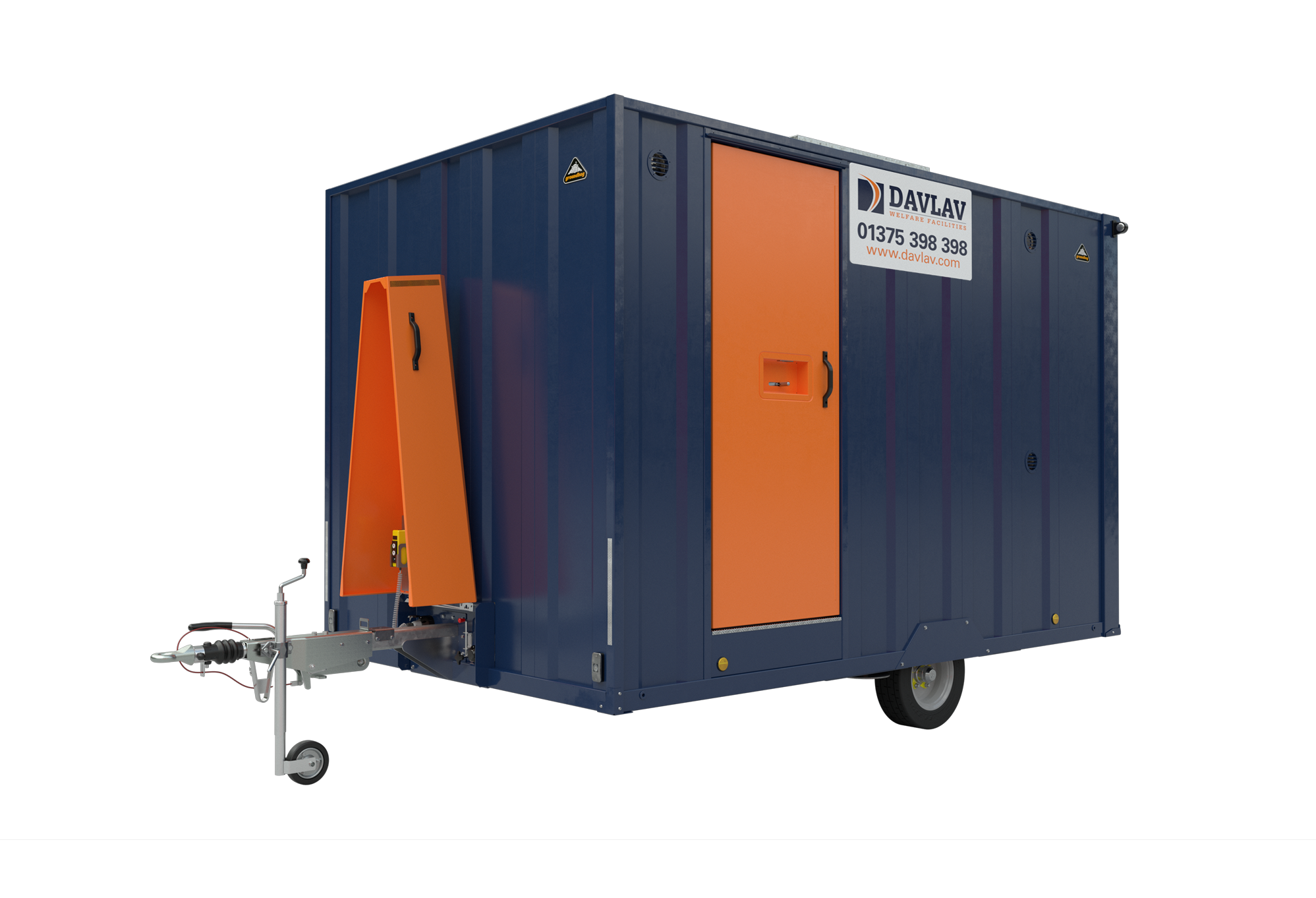
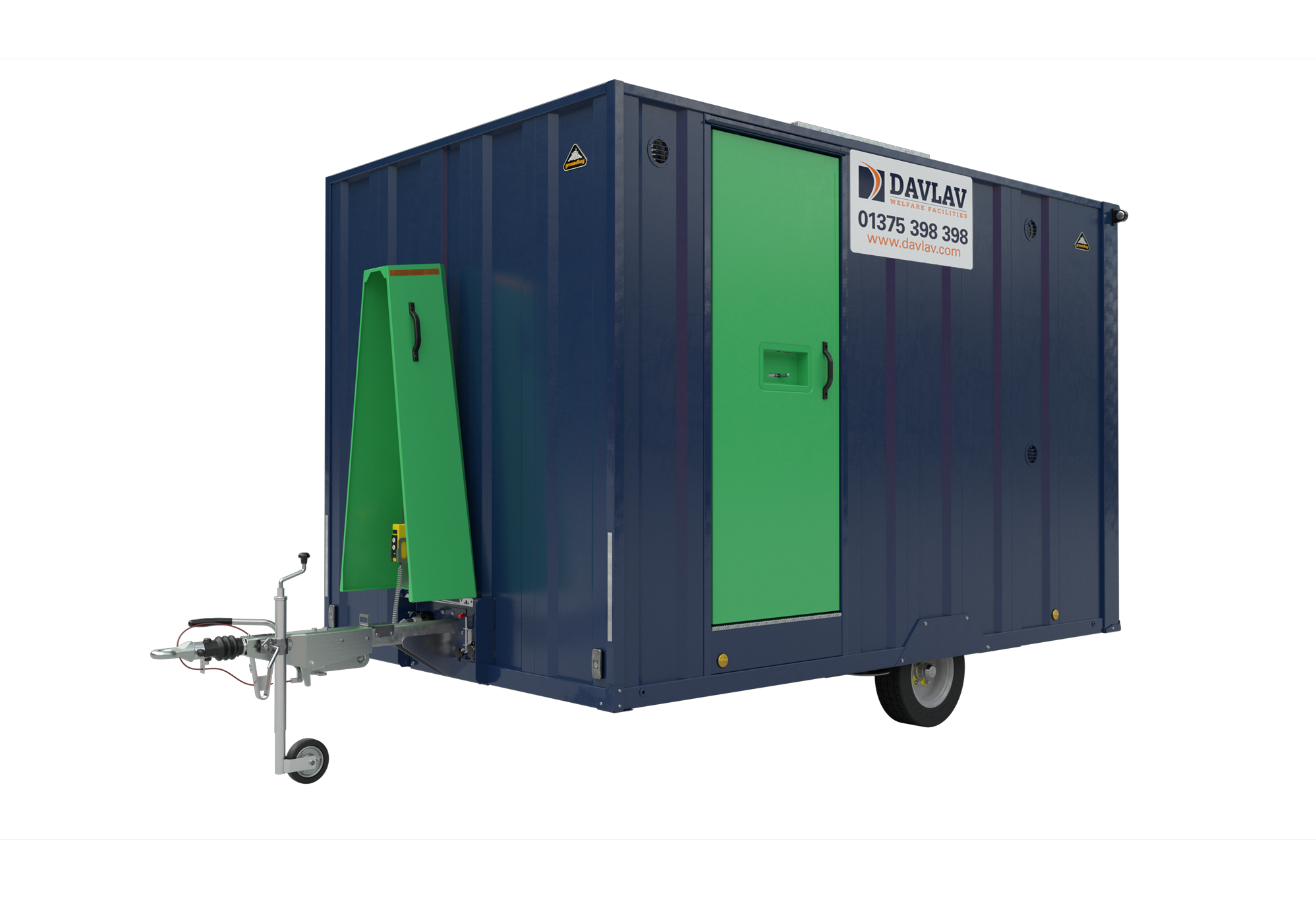
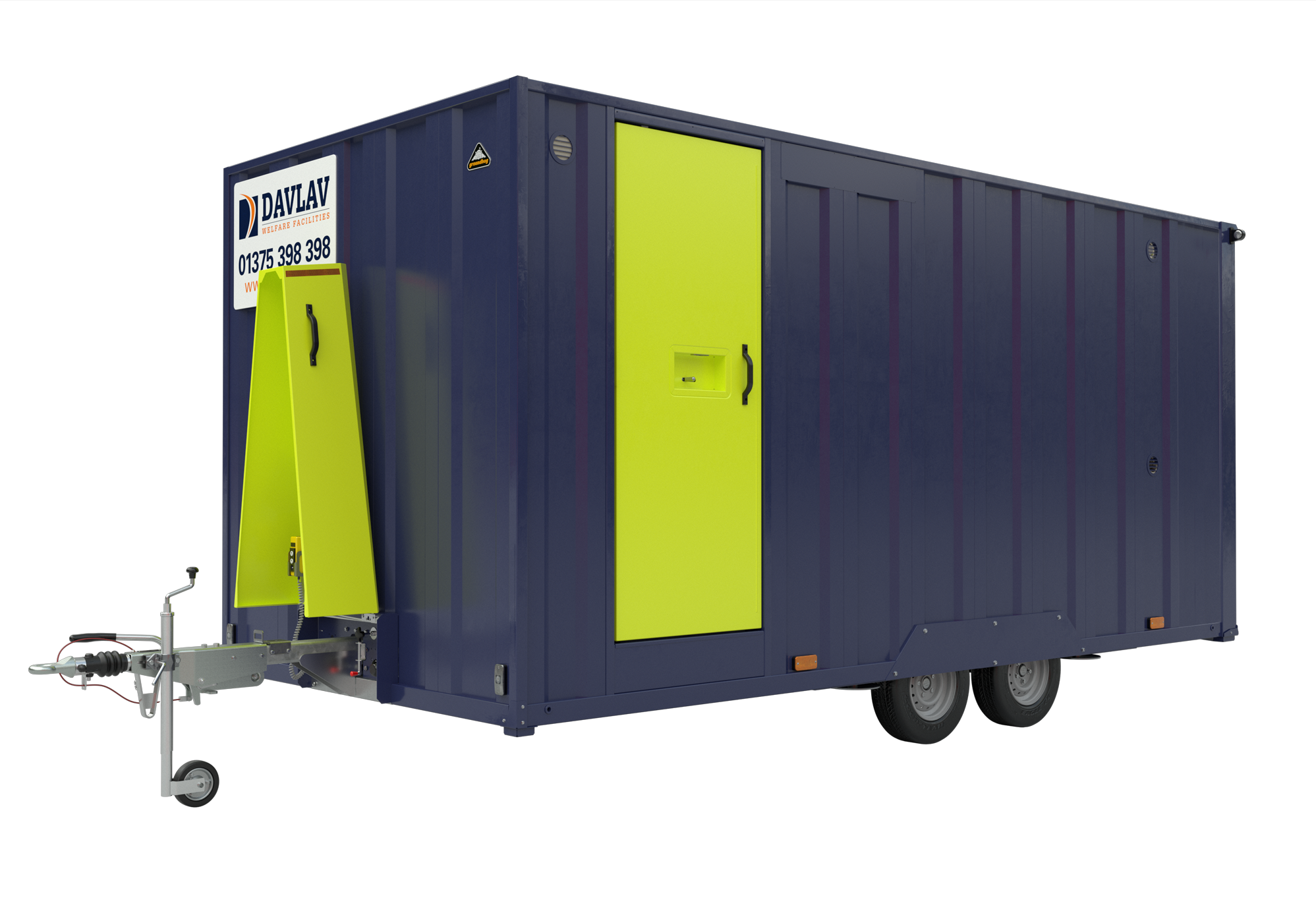
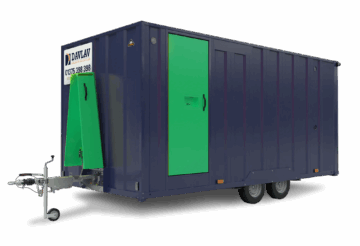
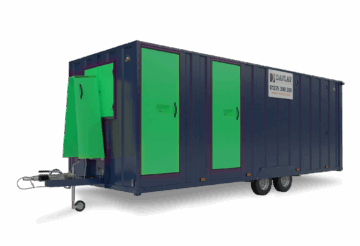
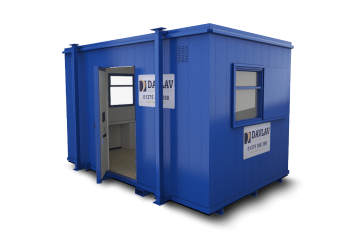
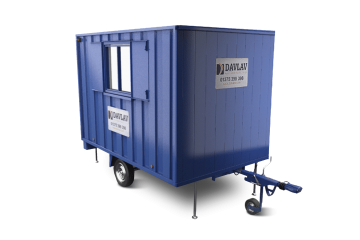
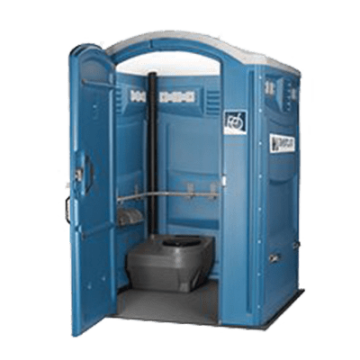
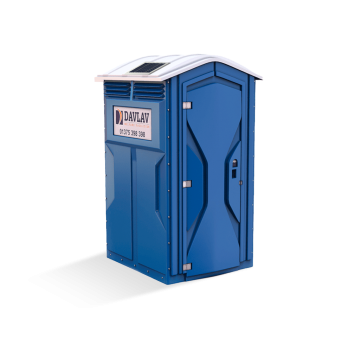
Options like mobile welfare units can offer more flexibility when used in line with the site layout and daily demands.
Why Site Layout Matters for Construction Site Welfare
The layout of a site is important and has a direct impact on how well construction site welfare performs day-to-day. Making sure your overall site welfare setup works alongside how your site operates highlights that it’s not just about having the right facilities in place. When it’s all positioned with purpose, a smoother working environment is created as daily routines and access are much more straightforward.
Even just a small layout change can drive positive changes in efficiency. Making areas more accessible or a shorter distance between work areas and welfare facilities all play a role in keeping everything running better without unnecessary delays.
Planning Welfare Units Around Site Access and Space
All sites come with space constraints and access points, emphasising why planning is key. Positioning welfare units in areas that are easy to reach, without interrupting work areas, helps to maintain a steady flow across the site.
In addition, it’s important to think about deliveries and servicing coming in and out of the site. Access points must be kept clear for units to be installed, maintained, and used without further complications. Whether it’s a less spacious site or more of an open-plan development, making the most of available space reinforces that your welfare setup supports the job rather than competing with it.
Choosing Between Mobile and Static Welfare Units
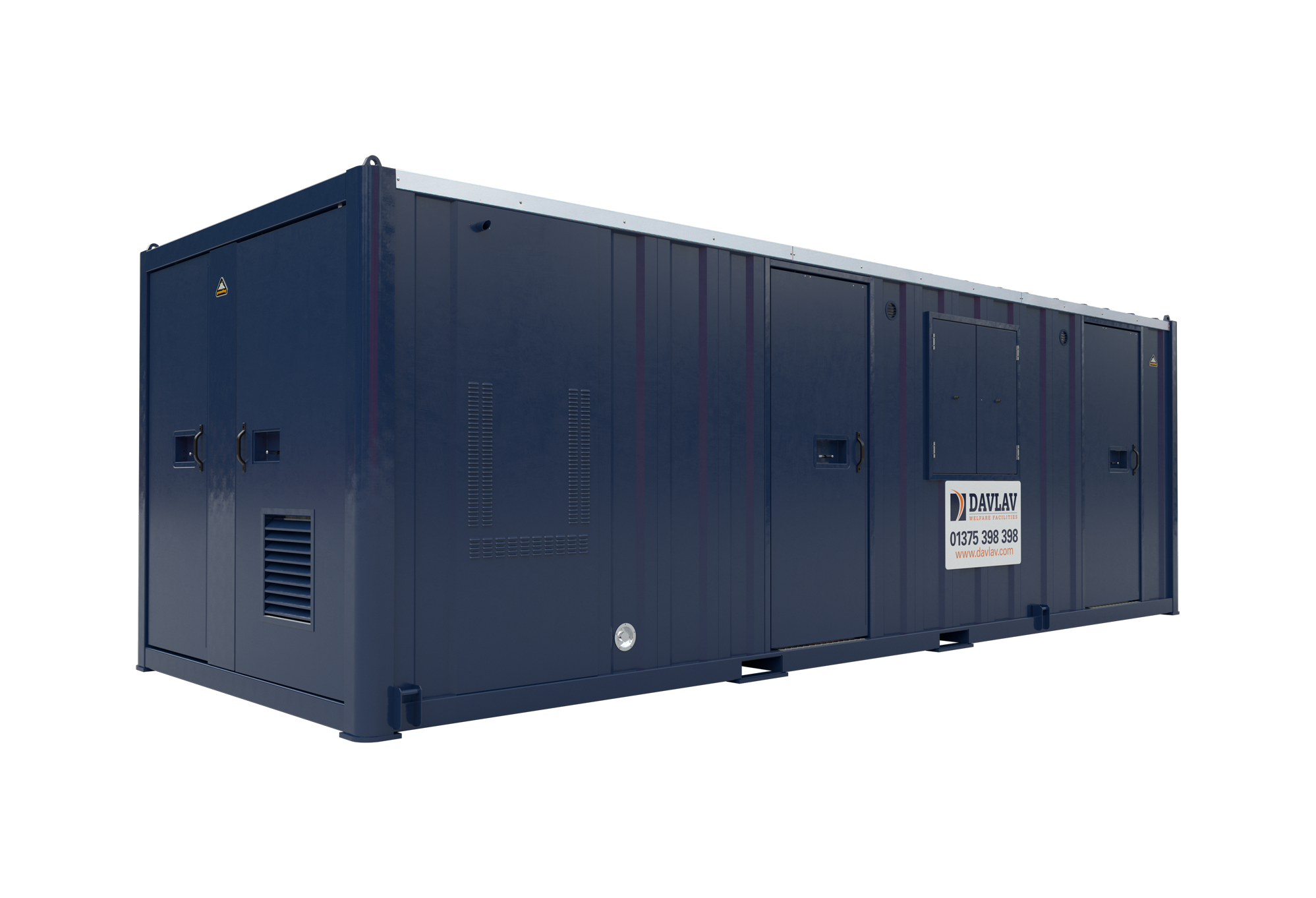
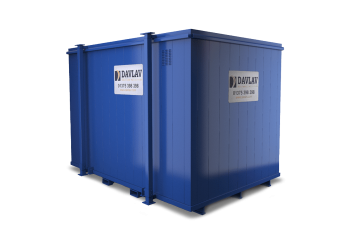
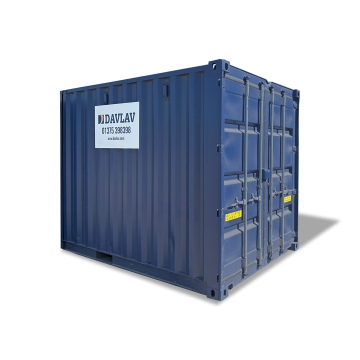
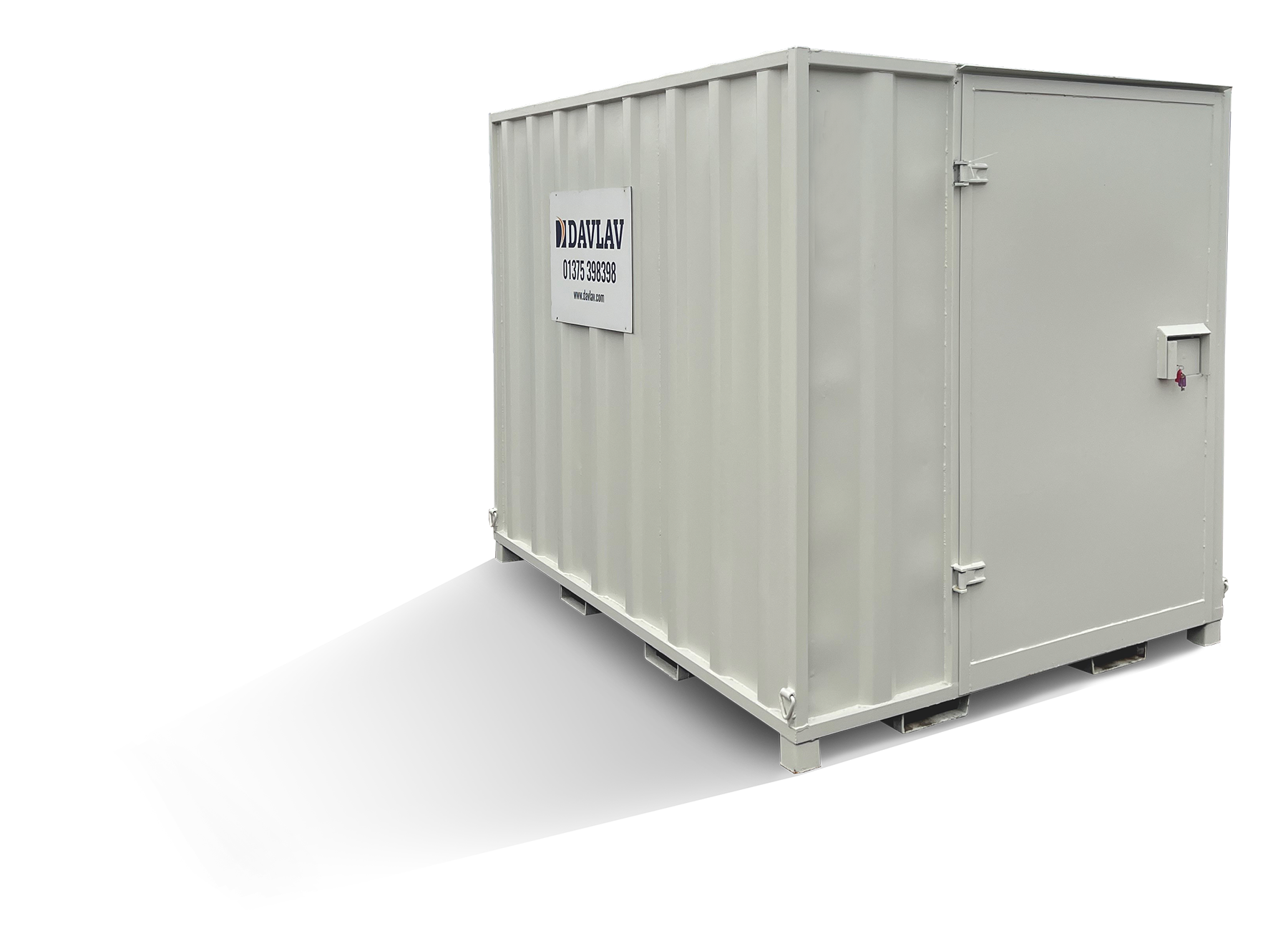
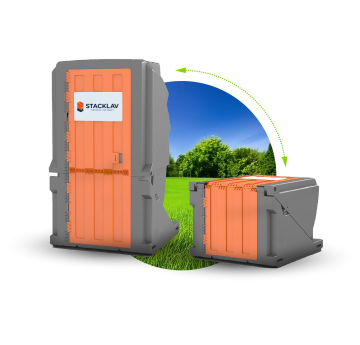
Making the decision between fixed setups and mobile welfare units often comes down to how your site is structured. For projects where layouts may evolve, the mobile option is the preferred choice, providing flexibility and can also be repositioned as needed.
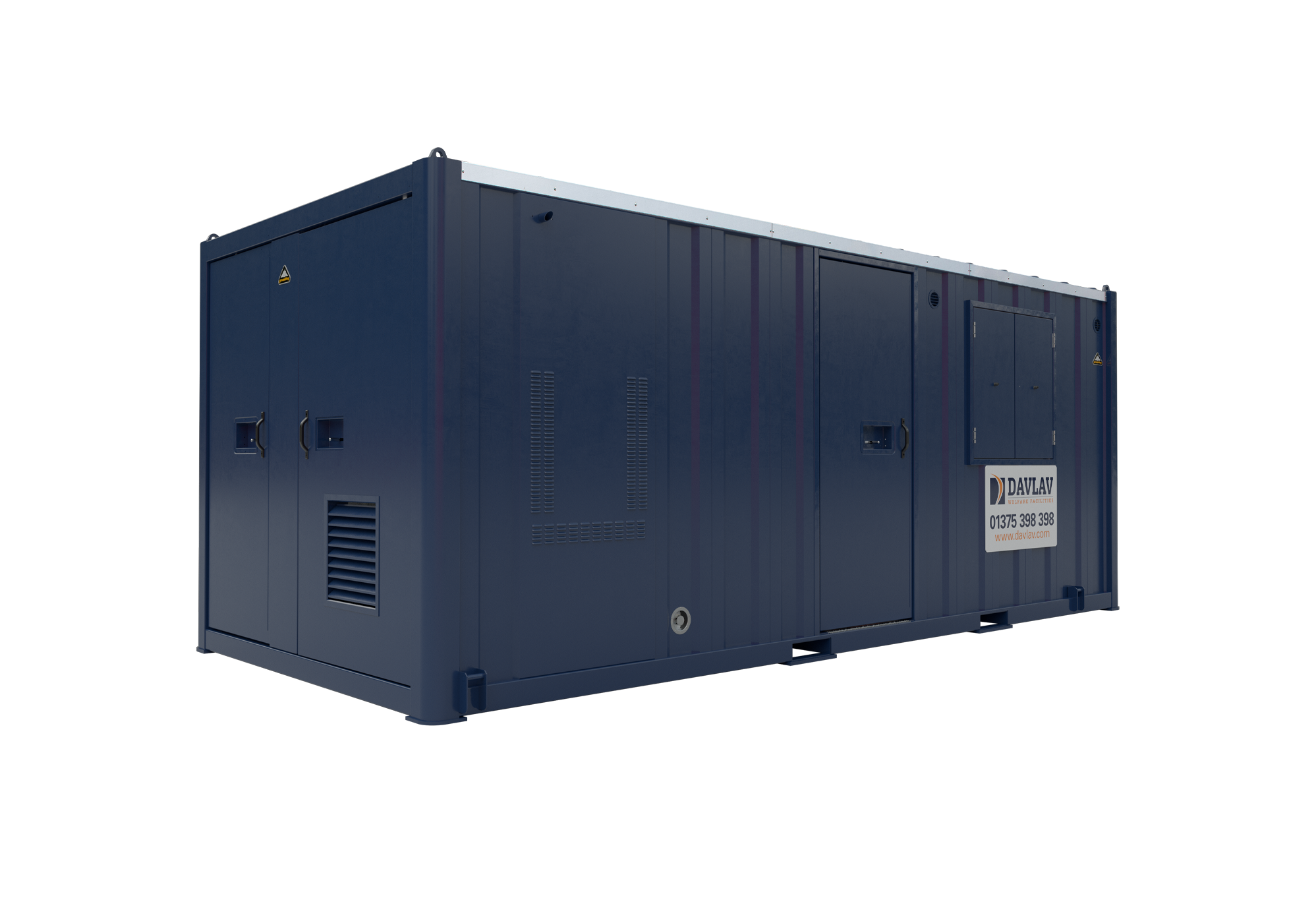
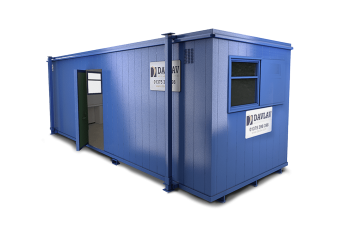
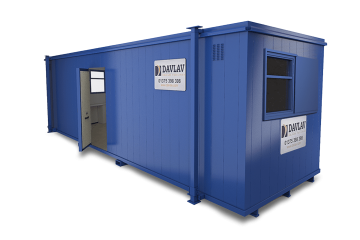
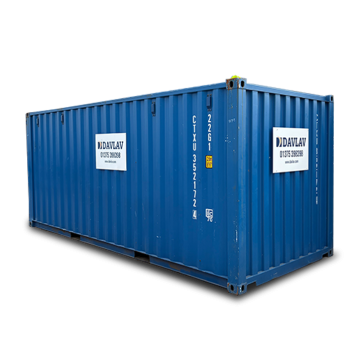
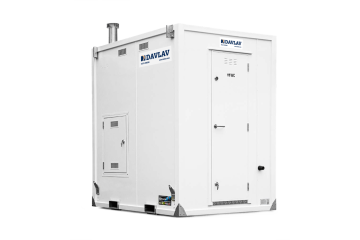
Static setups suit longer-term projects where the position of the unit doesn’t need to change.
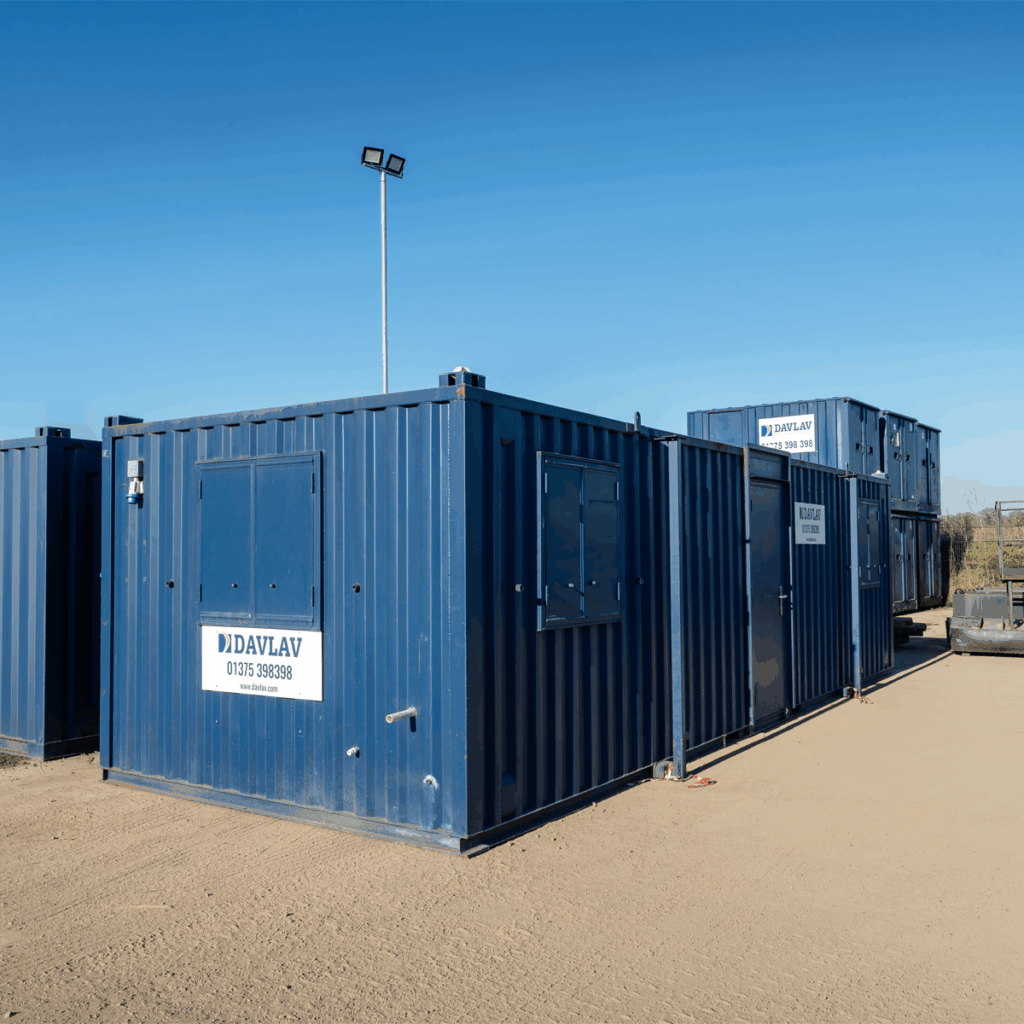
Ultimately, the choice works best when aligned with your site layout and how different areas will be used over time.
Positioning Welfare Facilities for Efficiency and Accessibility
Good positioning is what brings everything together. Facilities should always be easy to reach without dragging people too far away from where they are working. Keeping routes simple and logical helps save time and keeps daily routines consistent.
Avoiding Common Site Welfare Layout Mistakes
One of the most common issues is placing facilities wherever space is available; planning their position from the start helps avoid this. If not planned out, this can lead to inefficient layouts where time is lost moving between areas.
A further mistake involves overlooking access for maintenance and servicing. If units are difficult to reach, it can create unnecessary delays and complications later on. Keeping site welfare well-spaced and easy to access avoids these problems and keeps everything running as it should.
Conclusion
A well-designed layout is crucial for construction site welfare. Careful consideration of placement, access, and daily operations ensures that your welfare units integrate seamlessly into the site, supporting productivity instead of hindering it.