






Summer Site Safety: Keeping Your Construction Site Welfare Cool and Compliant
Summer brings longer days and, usually, better working conditions. It also brings heat, and heat is a real risk on a construction site. A site that feels manageable in the morning can be genuinely dangerous by mid-afternoon, especially for anyone working near materials that hold heat.
Good construction site welfare needs to account for this properly, not just once at the start of summer but throughout the season. That means shade, water and rest, provided consistently and taken seriously.
Why Heatwaves Are a Growing Risk for UK Construction Sites
UK summers are getting hotter, and heatwaves are lasting longer than they used to. Outdoor workers feel this first, and construction crews are among the most exposed.
A University of Reading study from June 2026 surveyed 307 construction workers and managers. It found that hot weather is already affecting worker health and wellbeing, and that most sites aren’t properly set up to deal with it.
HSE has echoed this. Following a heat health alert in June 2026, HSE’s Deputy Director John Rowe said that if summers keep getting hotter, it could seriously affect both worker health and site productivity. He also said the fix doesn’t need to be complicated. Proper ventilation, shade and regular breaks go a long way.
There’s pressure building for stronger legal protection too. The Climate Change Committee has called for clearer rules around extreme heat at work, and legal experts have pointed out that countries like Spain, Greece and Italy already have compulsory breaks during extreme heat, while UK workers are still relying mainly on guidance. Sites that plan ahead now are in a stronger position than those that wait for the rules to catch up.
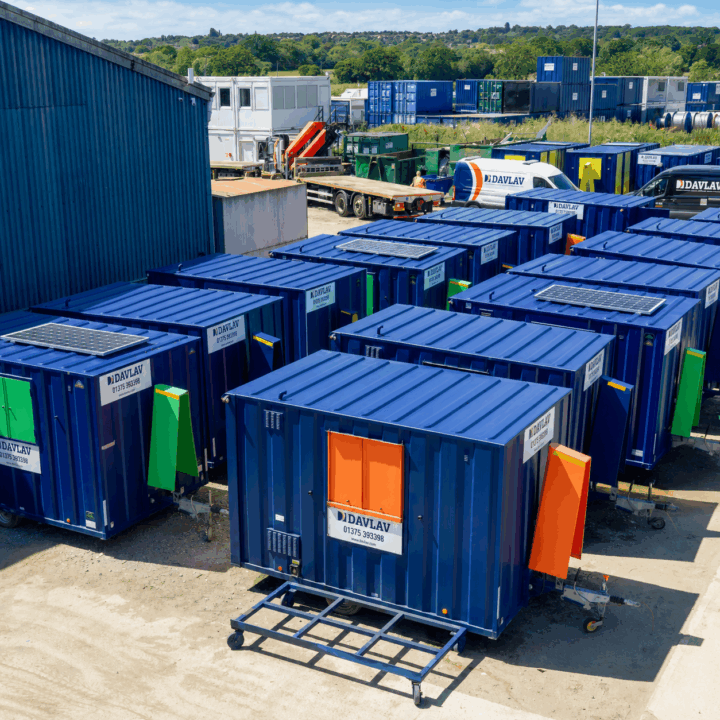
Good construction site welfare has become a fundamental part of preparing sites for the summer months.
Cooling, Shade and Hydration: What Good Construction Site Welfare Looks Like in Summer
Good construction site welfare in summer comes down to a few things done properly.
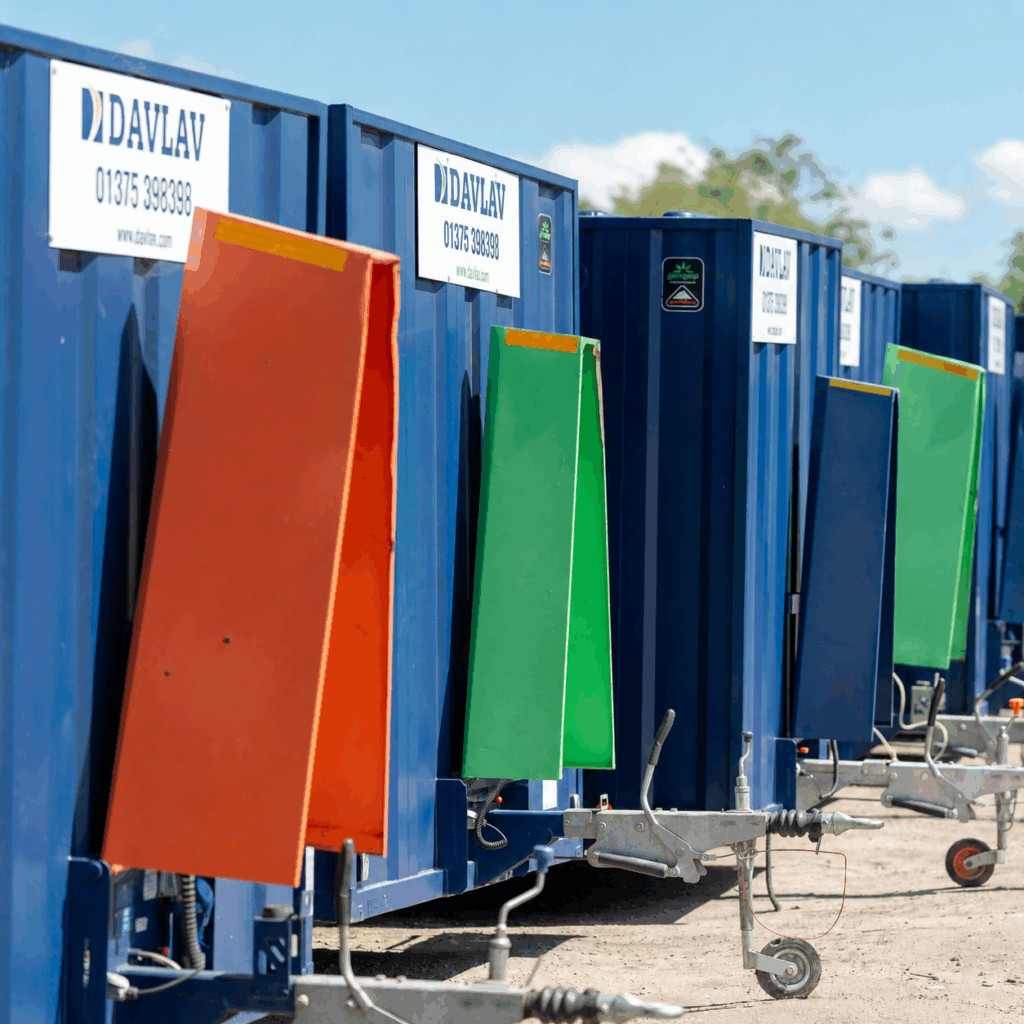
Shade and ventilation matter. Workers need somewhere they can actually cool down. A welfare unit with decent ventilation makes a real difference here, especially compared to a cabin that’s been sitting in direct sun all day.
Water matters just as much. HSE recommends around 250ml of cool water every 15 minutes during heavy work in hot conditions. That’s more than most sites plan for, and it needs to be built into the setup properly rather than left to a couple of coolers that run dry by lunchtime.
Breaks need protecting too. Moving demanding tasks to cooler parts of the day and actually holding to rest breaks rather than skipping them when deadlines are tight makes a genuine difference over a long shift.
There’s still no legal maximum working temperature in the UK, though the TUC has called for one, suggesting 30°C generally and 27°C for strenuous indoor work. Even without a legal limit, those numbers are a sensible benchmark to work to.
Solar Welfare Solutions: The Smart Choice for Summer Sites
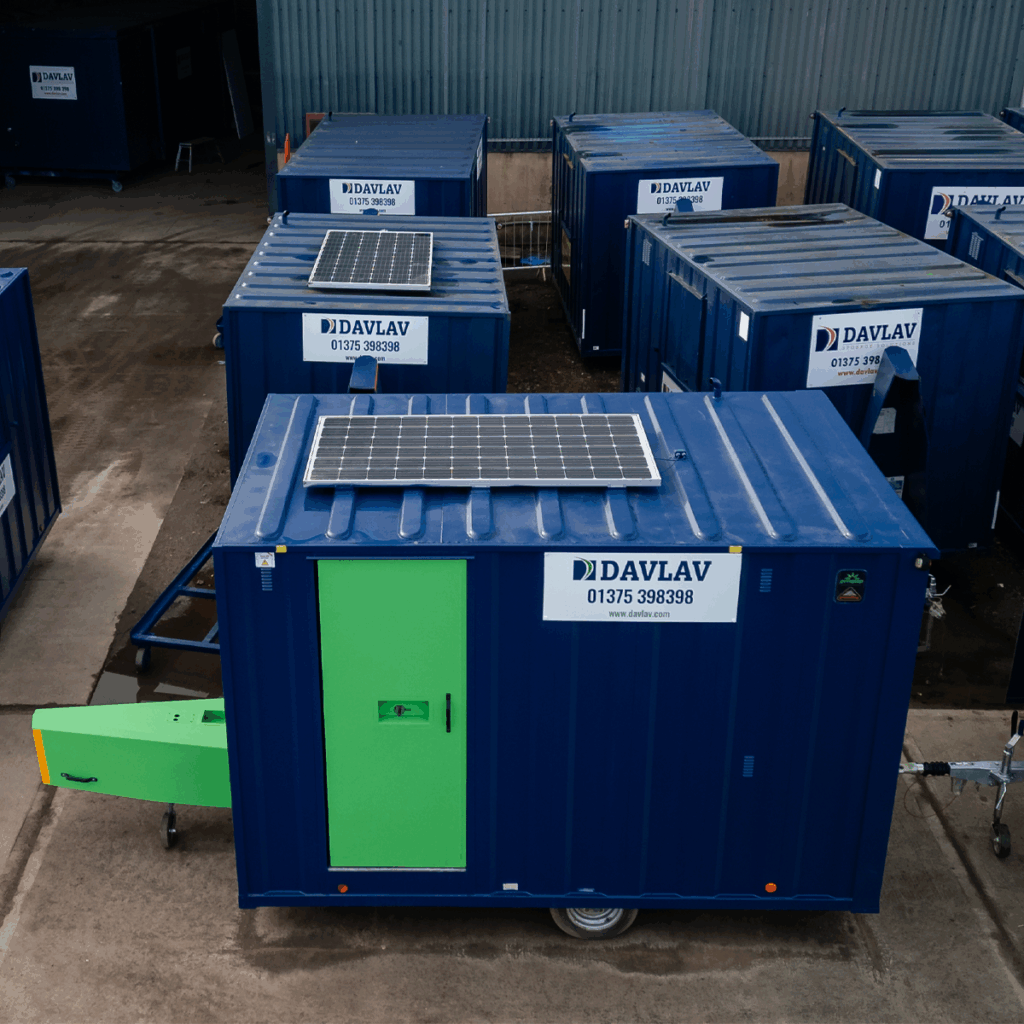
Summer sun is also free energy, and this is where solar welfare solutions make a real difference. Solar-powered units perform best exactly when it’s hot and sunny, which is also when welfare facilities are working hardest. Rather than relying entirely on diesel generators running all day, adding noise, heat and fumes to an already uncomfortable site, solar panels quietly do useful work throughout the day, powering lighting, ventilation and cooling.
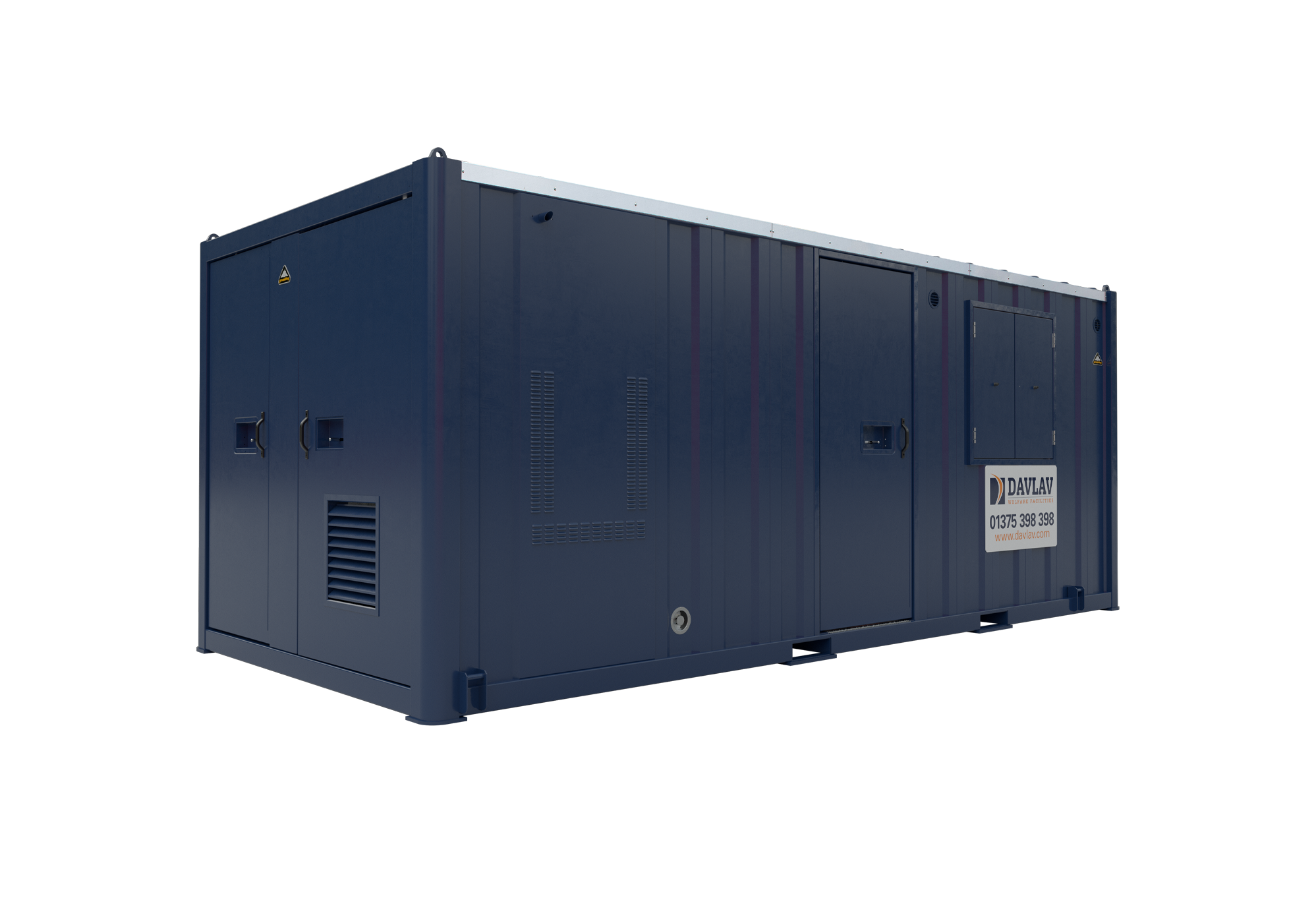
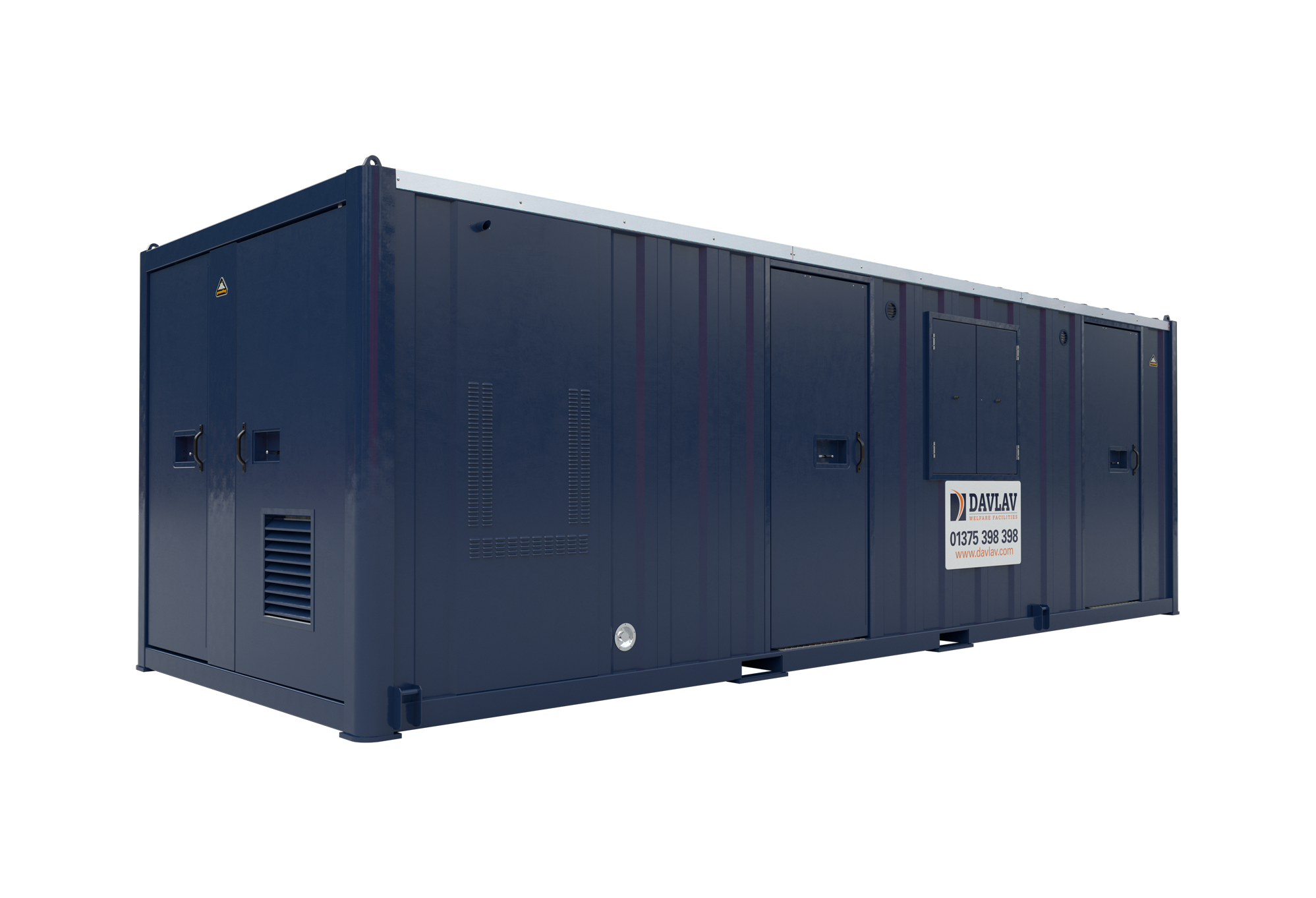
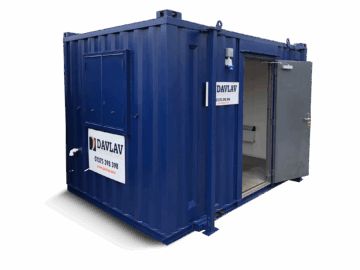
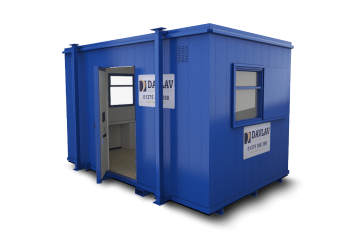
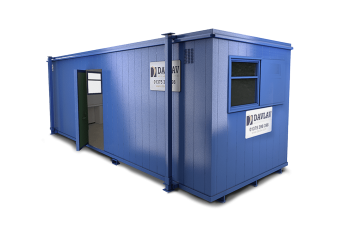
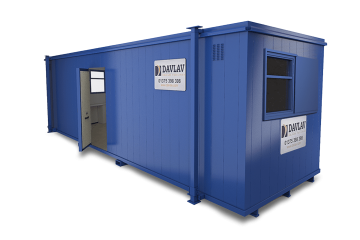
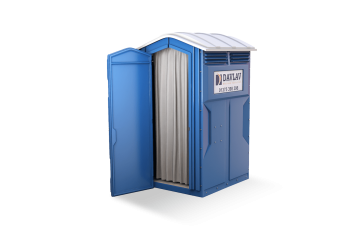
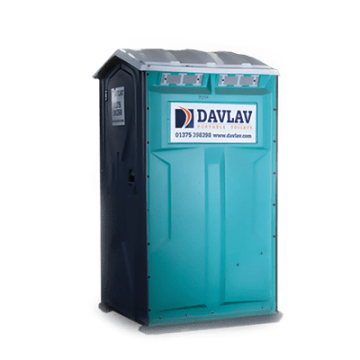
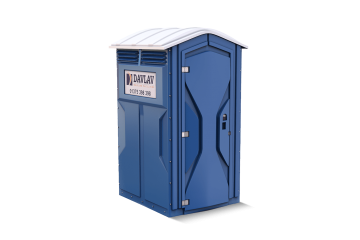
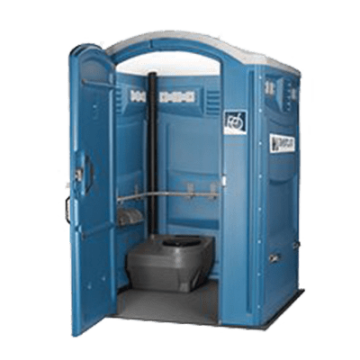
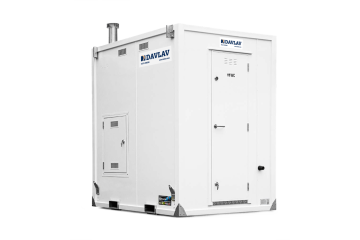
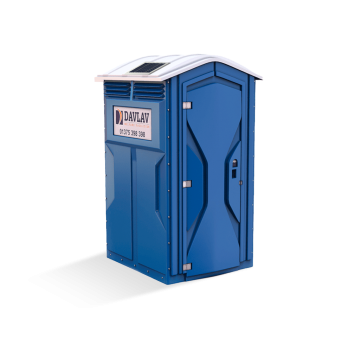
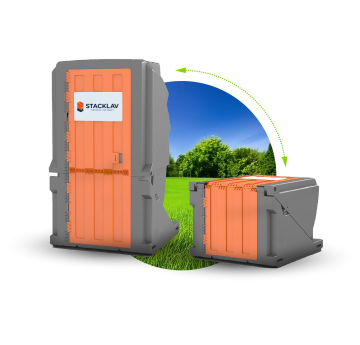
We build this into our own range. On the welfare unit side, units like the SW7600 Solar Fusion, SW6100 Solar Fusion, GP360 Solar Fusion, GP500 Solar Fusion, GPO500 Solar Fusion and GPO660 Solar Fusion are all designed to reduce reliance on generator power. The same thinking runs through our portable toilets too, with the Solar Toilet Pod and Solarlav both using solar power to run lighting and other onboard systems on sites without mains access. Across the board, the aim remains on cutting running costs and generator noise through the summer months. There’s a compliance benefit too. Solar welfare solutions support the ventilation and cooling HSE recommends, without the fuel costs and emissions that come with running generators flat out all season.
Mobile Welfare Units: Built for Sites That Move with the Job
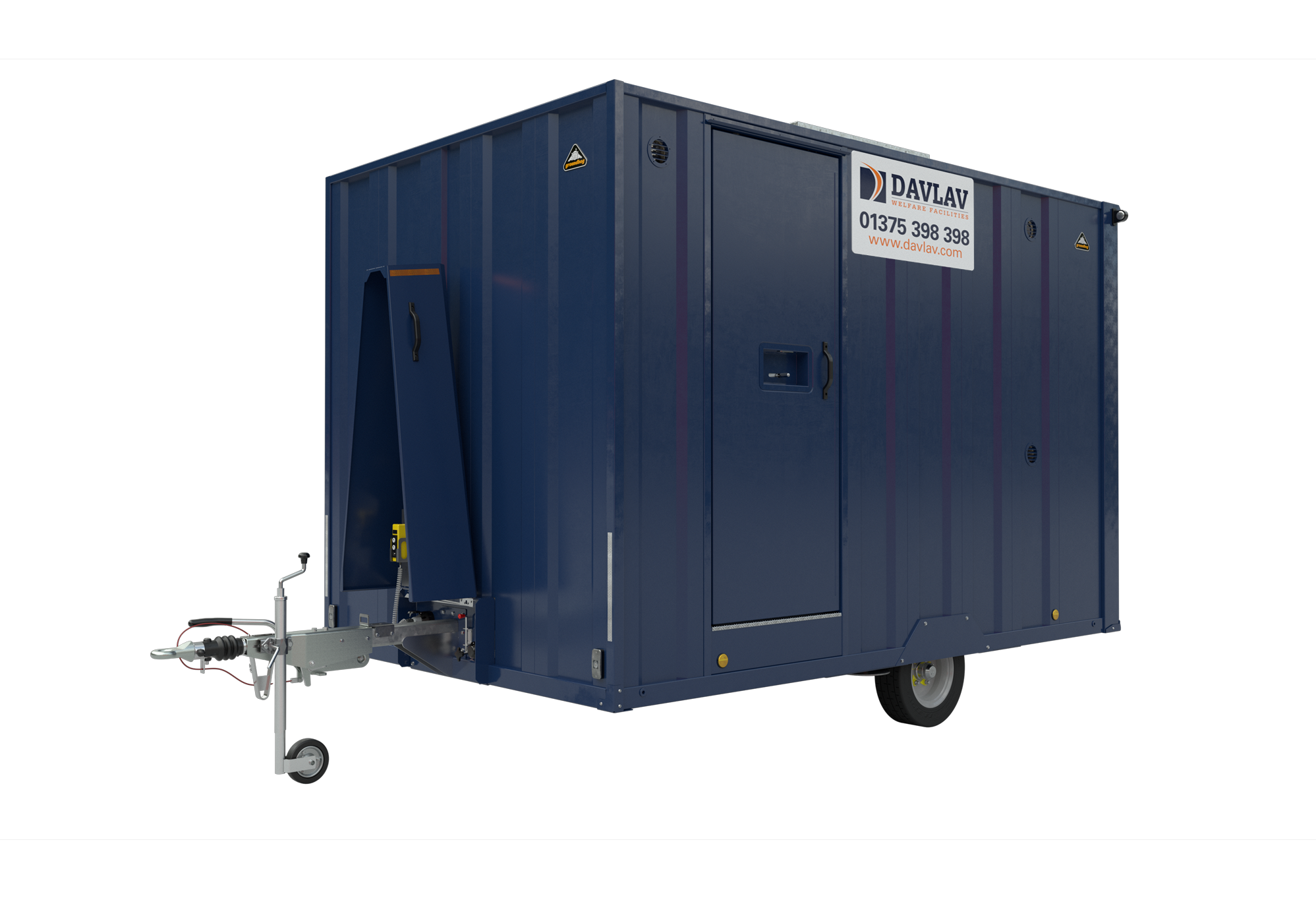
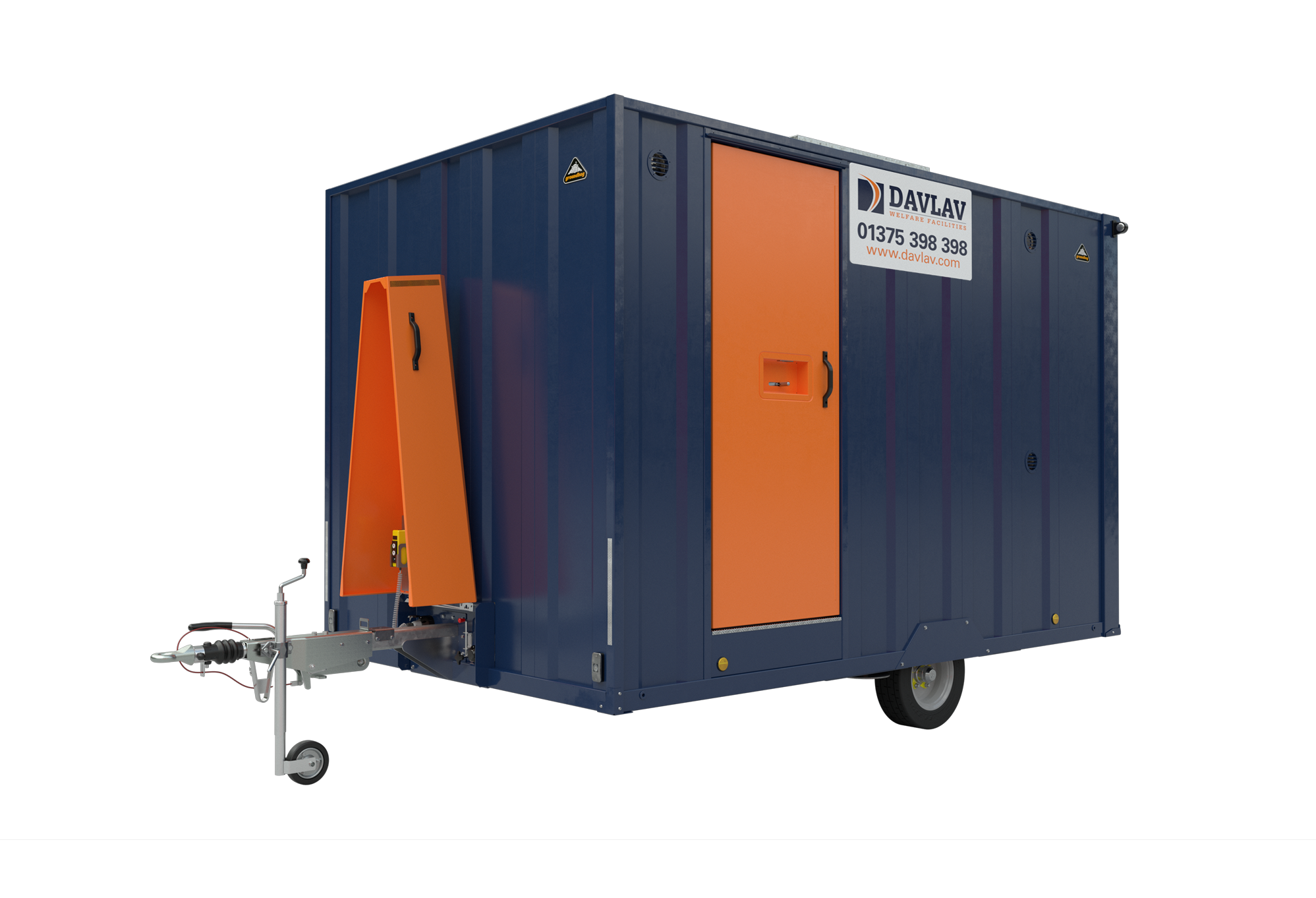
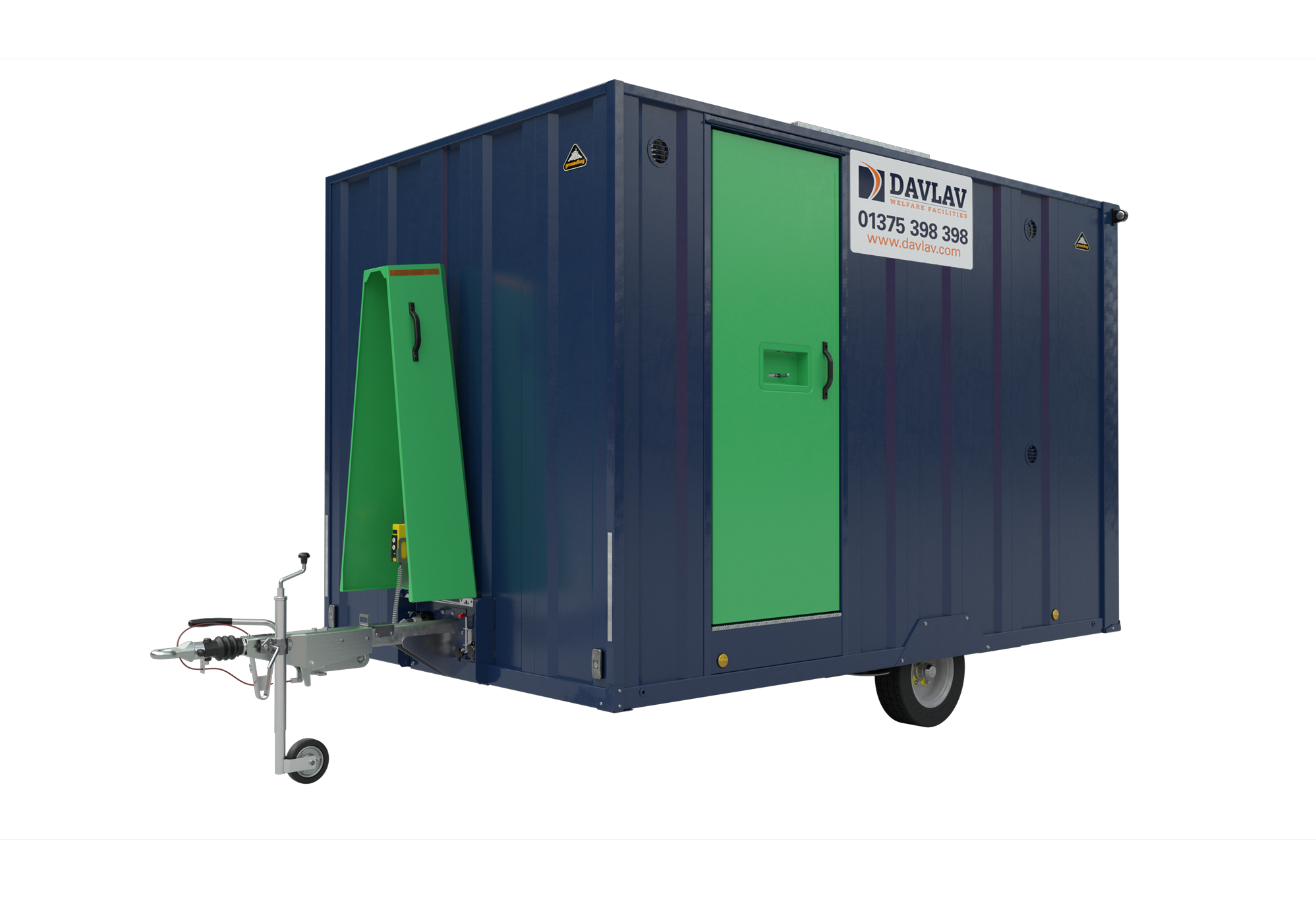
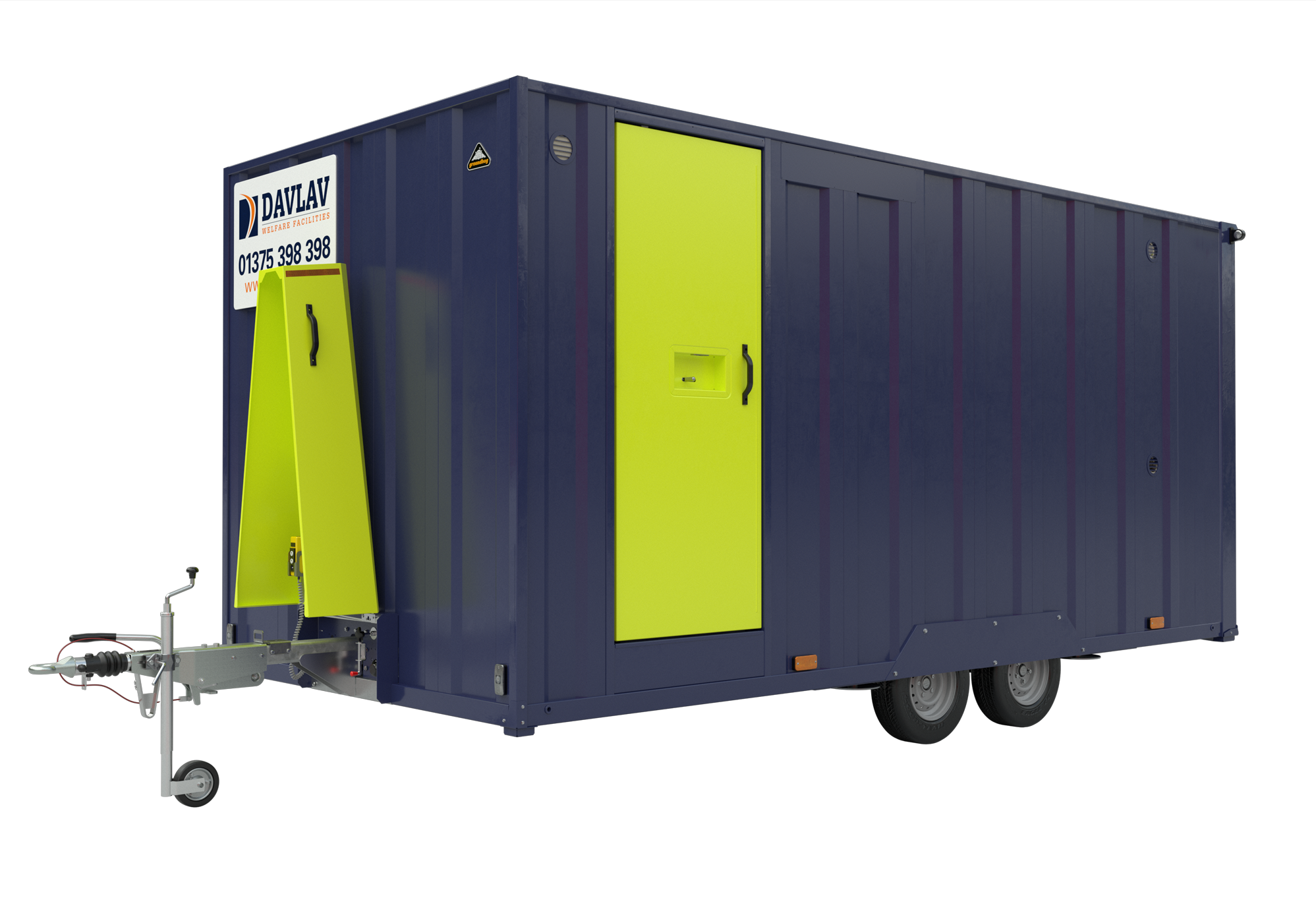
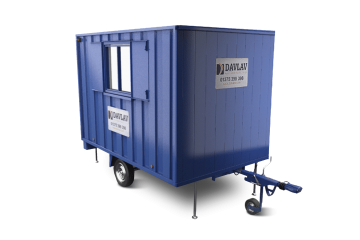
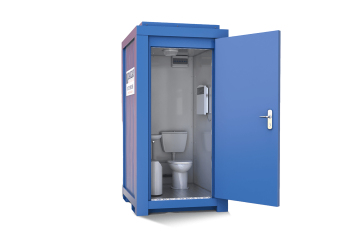
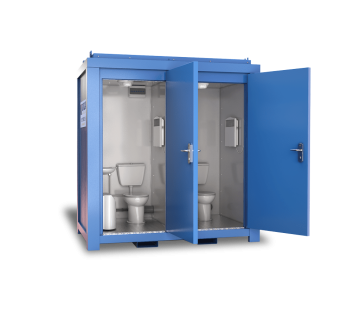
Not every site stays in one place, and that’s where mobile welfare units matter most. Groundworks, highways and utilities projects need welfare facilities that can move at the same pace as the work, so crews aren’t left without proper cooling or hydration while things get relocated.
A mobile unit that can be repositioned quickly keeps welfare provision in step with the job, which matters more in summer when the margin for error on heat exposure is smaller. Being able to move a unit into shade, or away from a hot patch of tarmac, adds up over a long summer.
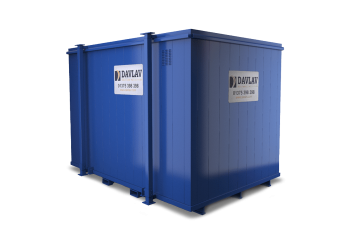
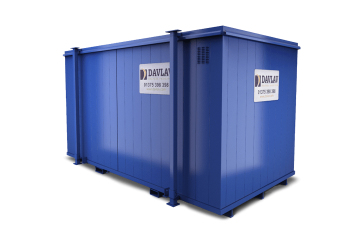
Static units still have their place on longer projects where the layout doesn’t change. A well-positioned static welfare unit with proper insulation copes just as well. It comes down to how the site itself works, not one option being better across the board.
Sustainable, Eco-Friendly Site Welfare Choices for Summer
Managing summer heat doesn’t have to mean burning more diesel. In fact, summer is often where eco-friendly site welfare choices make the most sense.
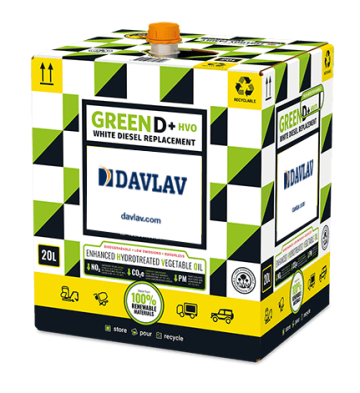
At Davlav, we have been working toward carbon neutrality since 2021, and since April 2022, have run our generator fleet on HVO rather than standard diesel, cutting emissions without changing the equipment itself. Fuel Active technology can reduce generator running hours by up to 60%, and anti-idling systems stop generators wasting fuel when they’re not needed. Together, that’s a welfare setup with a lighter footprint that still keeps people cool.
LED lighting with PIR sensors, low flush and waterless toilets, and solar-powered units all fit the same approach. None of it means compromising on comfort. A well-specified eco-friendly setup tends to run quieter and more reliably than a basic diesel-powered one, which is what construction site welfare should be aiming for as summers keep getting hotter.
Conclusion
Summer should mean good progress on site, not added risk to worker health. The evidence from HSE and the University of Reading is clear that heat needs to be taken seriously and getting it right doesn’t need to be complicated.
Shade, hydration and protected breaks are the foundation. Solar welfare solutions, mobile welfare units suited to a moving site, and eco-friendly choices that cut your footprint build on that foundation properly. Together, they turn adequate welfare into genuinely effective construction site welfare for the summer months.
If you’re out on site during the warmer months, we can help you put together a welfare setup that’s ready for summer.
Sources
HSE: Risks to workers from extreme heat must be managed, June 2026
University of Reading: Understanding the impact of heat on construction sites, 2026
Safety Group UK: Heat Stress at Work, UK Employer Guide 2026
Construction News: Calls for maximum working temperature for outdoor workers, May 2026