







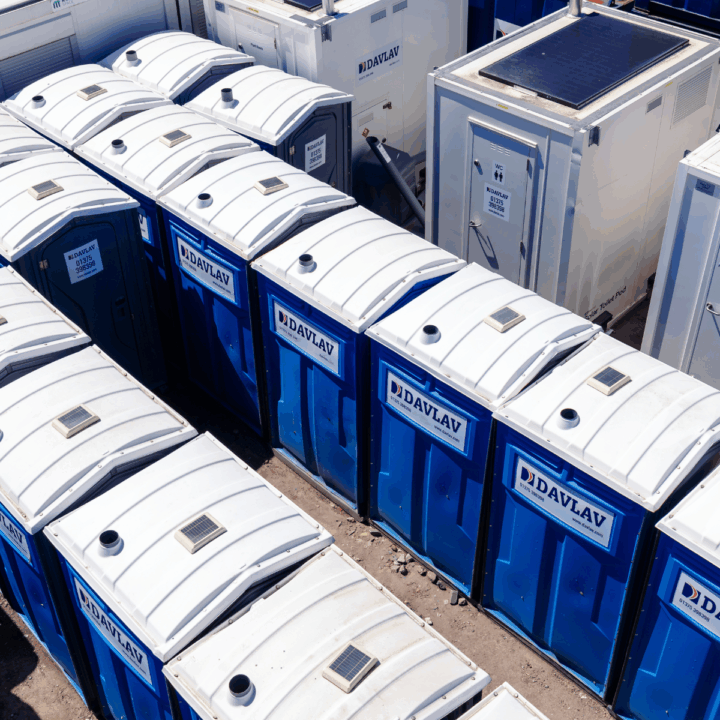
What to Consider Before Ordering Portable Toilets for a Construction Site
Portable toilets are crucial when planning any construction project, as providing suitable sanitation facilities is an important part of creating a compliant and comfortable working environment.
The right portable toilets will support daily site operations, improve hygiene standards, and contribute towards overall construction site welfare. On the other hand, choosing the wrong setup may lead to avoidable issues around accessibility and maintenance.
Before arranging portable toilet hire, it is important to understand specifically what your site requires. Several factors can influence which solution is best suited to your site, for example, workforce numbers, site conditions, and servicing and compliance.
Why Portable Toilets Are Essential on Construction Sites
Access to suitable toilet facilities is a basic requirement on any construction site, and whether a project is expected to run for weeks or months, workers are entitled to reliable, clean facilities that are ready for use throughout the working day.
Well-planned toilet facilities do far more than cover the basics of hygiene. They help keep a site moving through reducing interruptions and cutting out unnecessary hassle. Furthermore, when they are part of a wider construction site welfare plan, the right facilities have a significant impact on overall daily comfort and well-being.
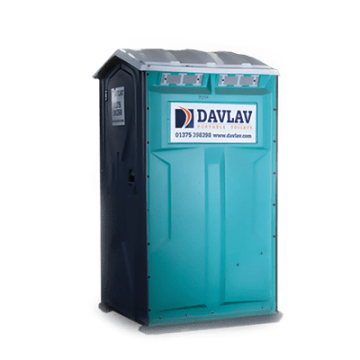
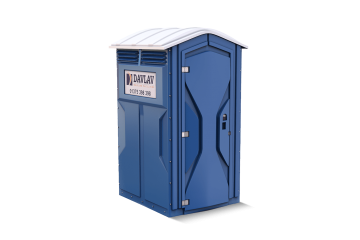
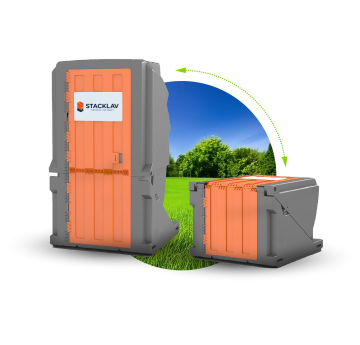
Portable toilets are the answer for all projects, as they offer flexibility and can be placed exactly where needed. As a site evolves, they can be moved or adjusted with ease.
Understanding Your Site’s Toilet Requirements
Choosing the right portable toilet for you starts with understanding the demands of the site. As every site is always different, what may work for one site might not be the best fit for another. The size of the workforce, the duration of the project and other factors can all play a part in the final decision of what facilities will be best.
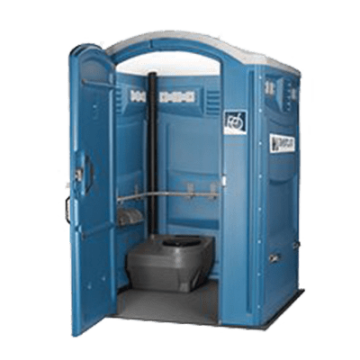
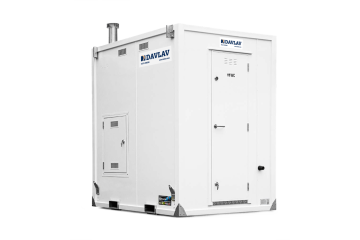
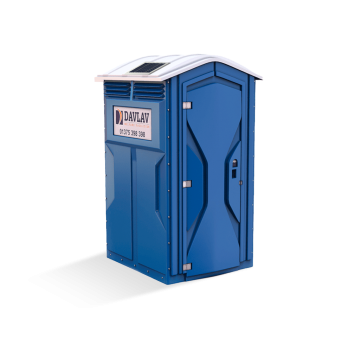
Where mains water and drainage are available, a mains-connected portable toilet is often the most practical option. On sites without access to these services, self-contained or chemical toilets are usually the better choice. Remote locations can present additional challenges, but solar-powered units offer a convenient alternative by operating independently of external power supplies.
Ultimately, getting these decisions correct from the start will save time and prevent any unnecessary changes later in the project. Also, it means that workers will have access to reliable facilities at all times.
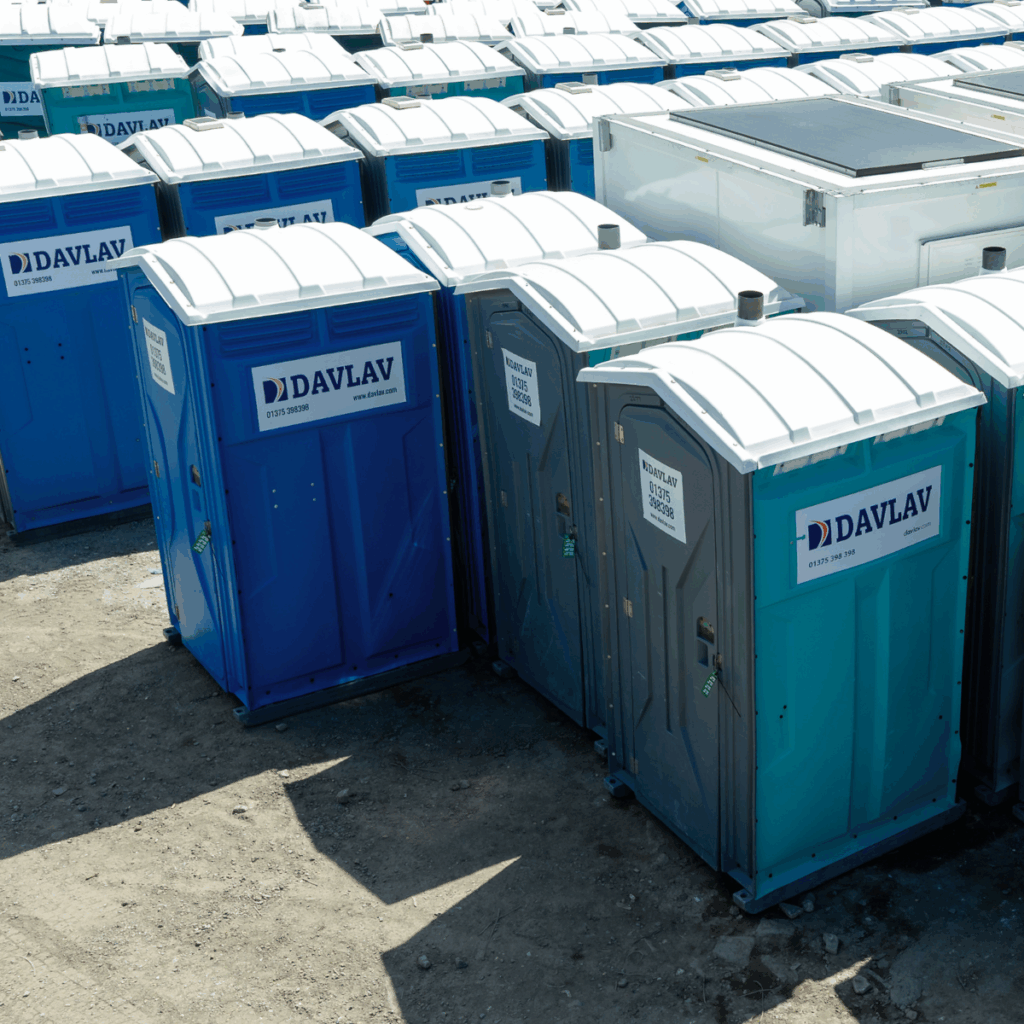
Choosing Between Portable Toilets and Toilet Blocks
It’s also important to consider how many people will be using the facilities.
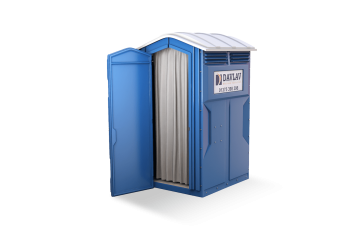
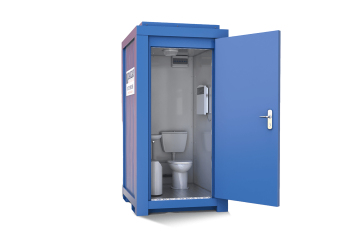
For smaller projects, a single portable toilet may be enough to provide everything needed for daily operations. As workforce numbers increase, however, larger facilities can often become the better choice.
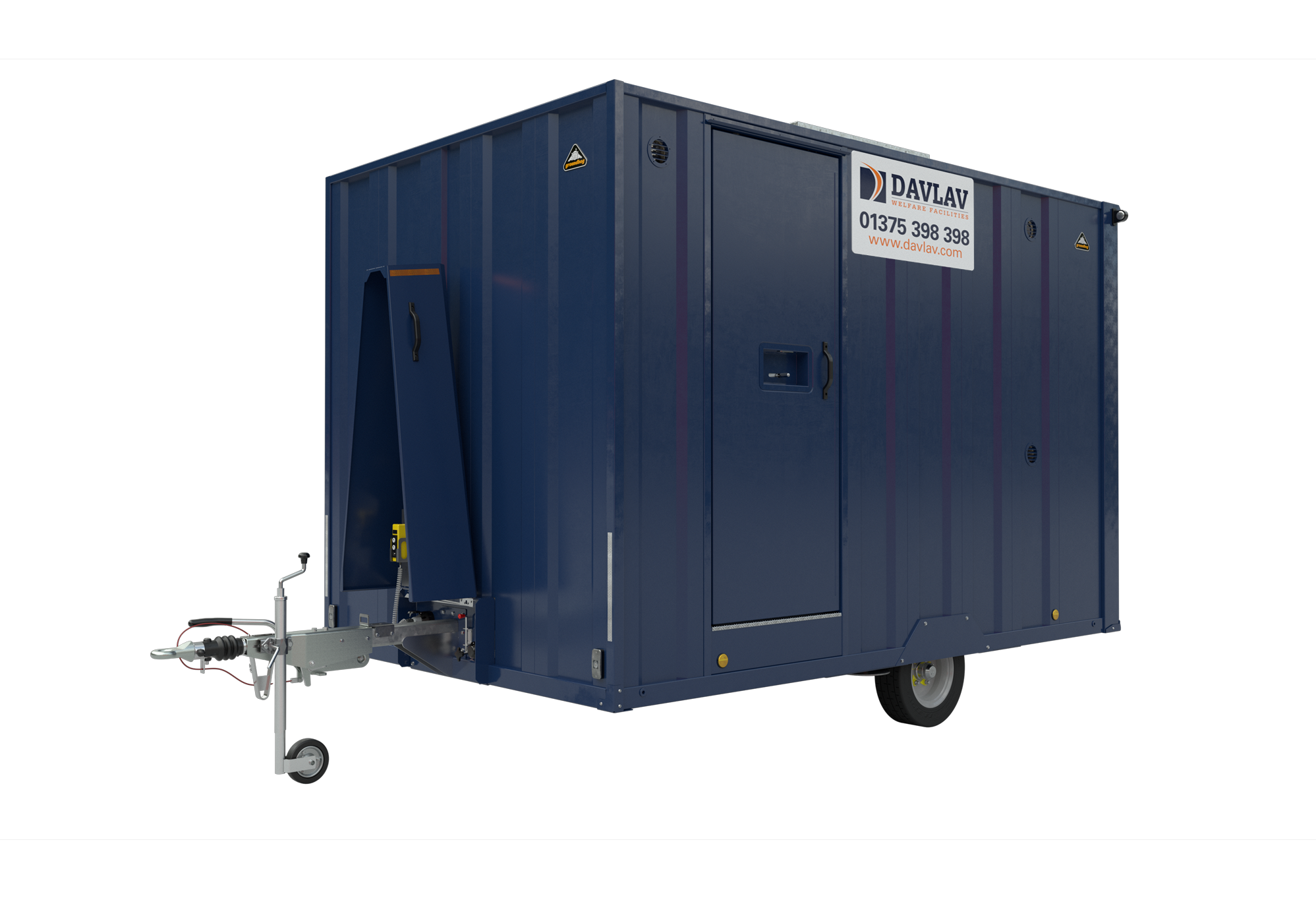
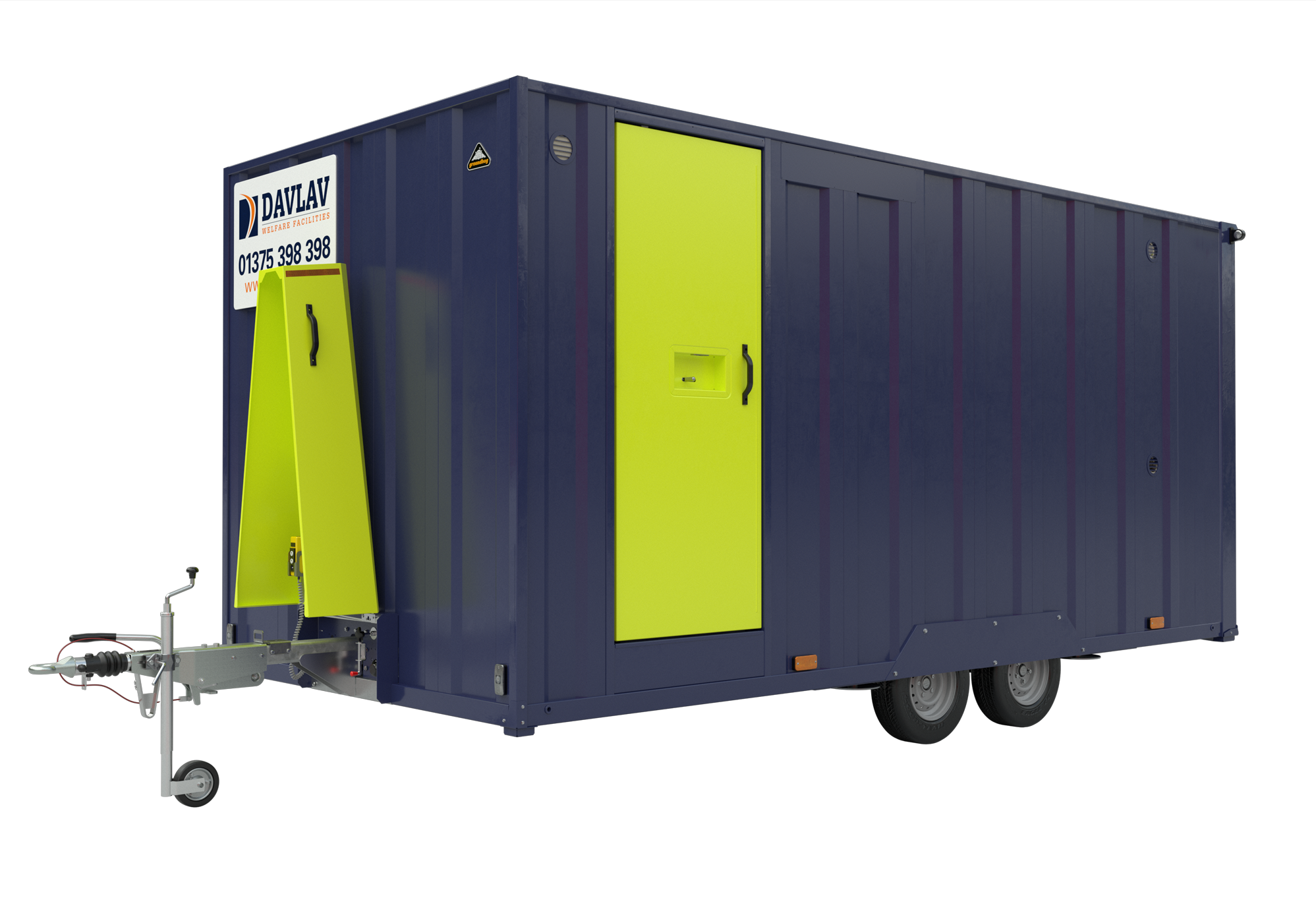
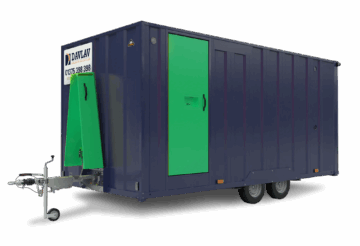
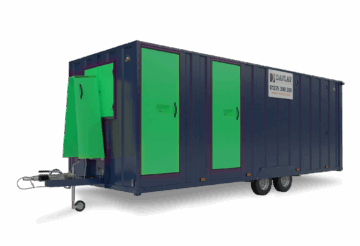
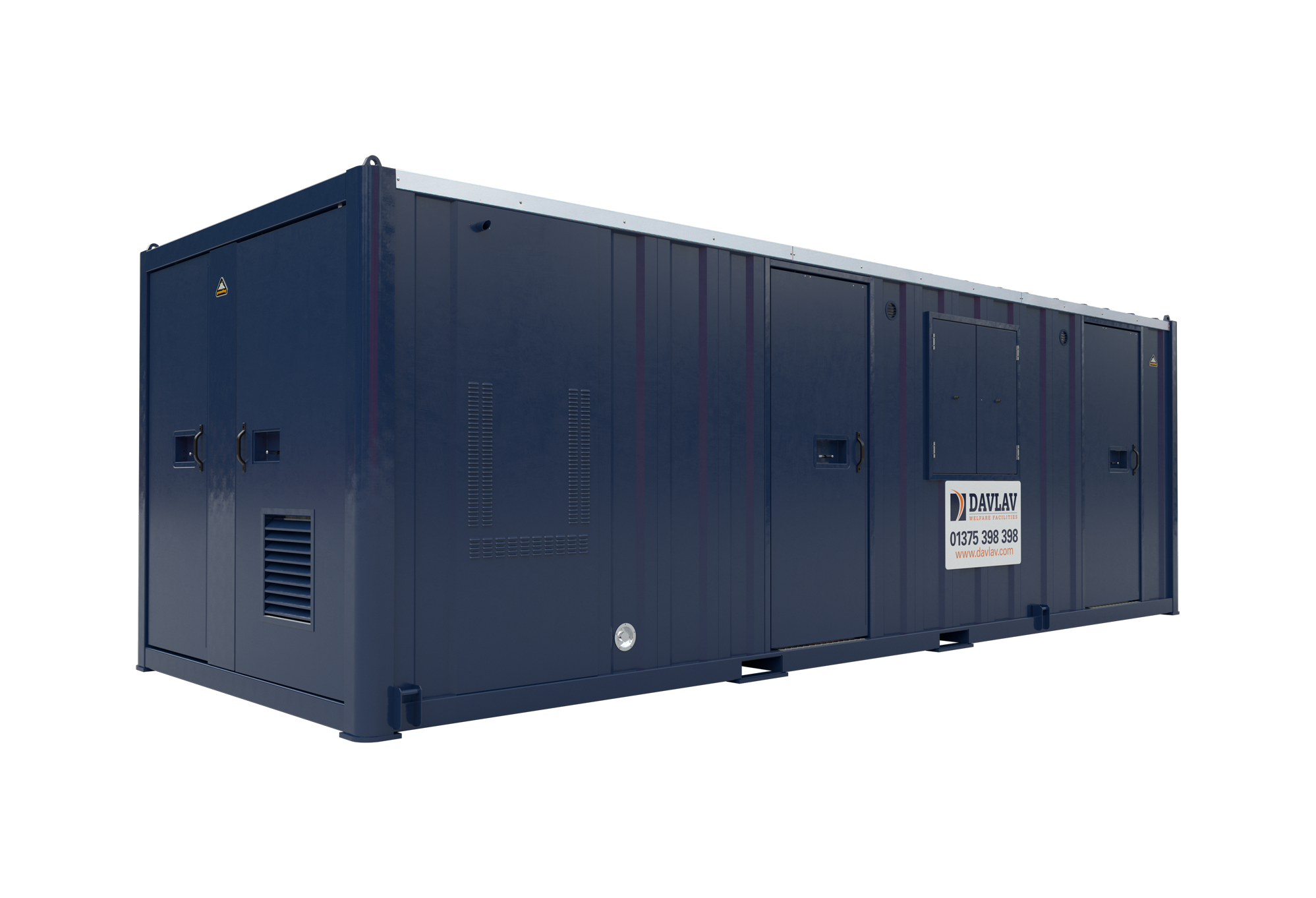
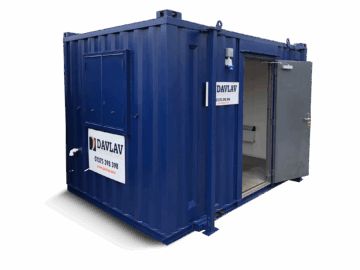
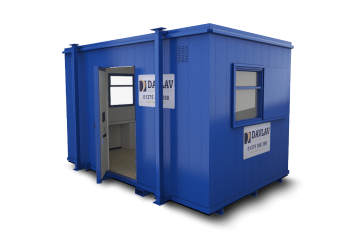
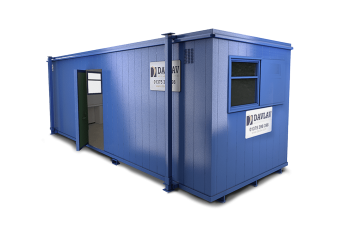
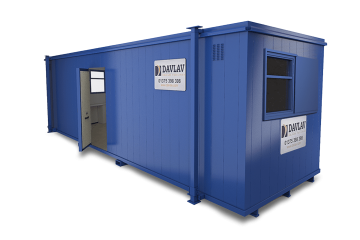
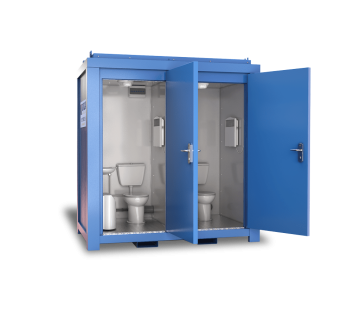
This is where toilet block hire may offer additional benefits. Units such as 2+1 or 3+1 toilet blocks provide much greater capacity, with a layout designed to support larger numbers of users. For busier sites, these options will help maintain convenience.
However, the most suitable option will depend on how many people will be on site, and how the project will develop over time.
Why Servicing and Maintenance Matter
Regular servicing is required so that facilities remain effective throughout.
Correct servicing means keeping facilities clean, hygienic and ready for use. Servicing also allows any issues to be identified and addressed before they become larger problems.
When arranging portable toilet hire, it is worth considering servicing requirements from the start.
As a result, a proactive approach to maintenance means that facilities continue to perform as expected throughout the project.
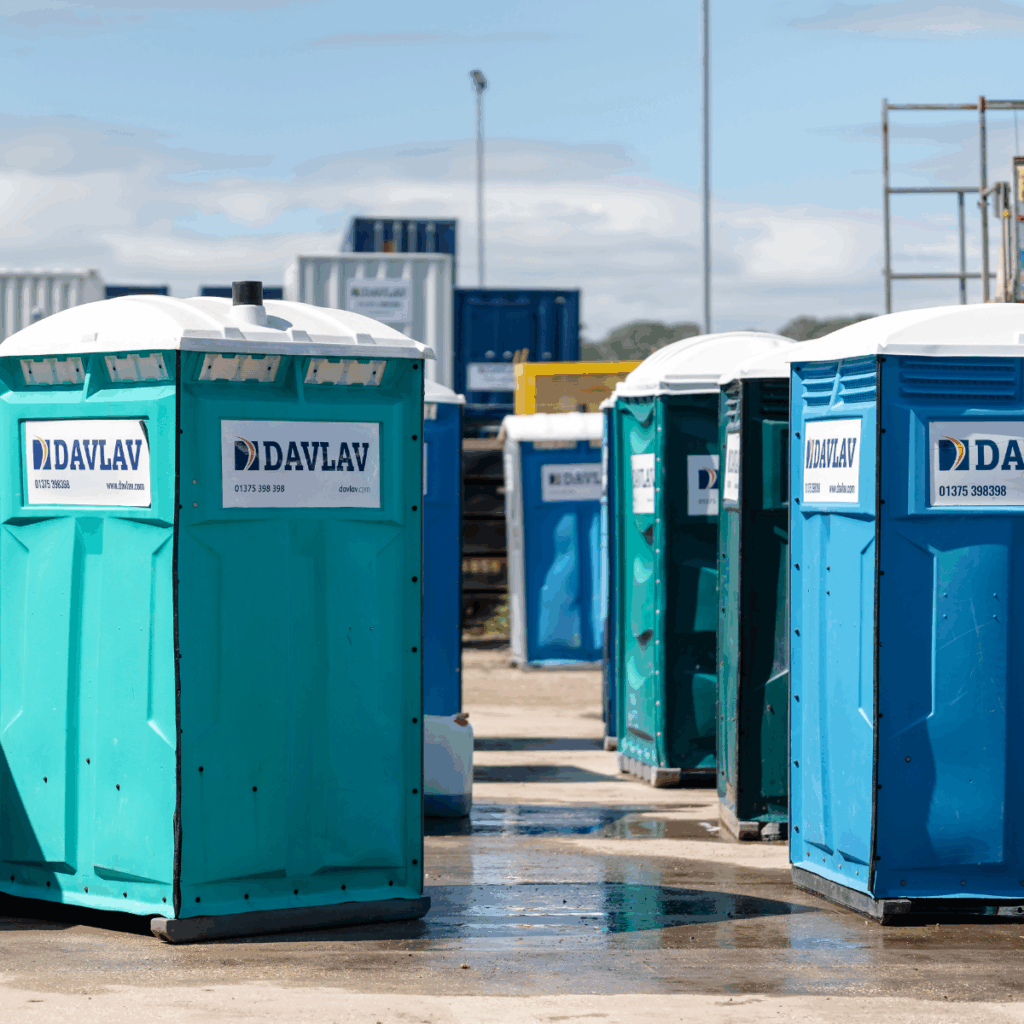
Meeting Welfare and Compliance Expectations
Workers should have access to hand washing facilities that create a safe and hygienic environment for everyone on site.
Making sure the facilities suit the scale and needs of the project not only supports good site welfare but also helps work continue with fewer disruptions.
Conclusion
Arranging toilets for a construction site requires careful planning. Factors such as workforce numbers, site layout, accessibility, servicing requirements, and overall welfare standards should all be considered to ensure the facilities are fit for purpose.
Taking the time to assess these requirements makes portable toilet hire much easier to plan. Whether the project calls for a single unit or a larger toilet block, choosing facilities that suit the demands of the site helps support daily operations while providing a cleaner, more practical, and comfortable environment for everyone on site.