









What Counts as Site Welfare on a Construction Project?
Site welfare is a key part of any construction project, but it doesn’t look the same on every site. It comes down to the work being done and the people on site. Site welfare covers the facilities and practical support that help teams stay safe, comfortable, and able to get on with the job every day. When it’s done right, it makes working on-site easier and more productive.
Having a clear understanding of what counts as site welfare helps projects meet construction welfare requirements, supports workers on site, and allows welfare provisions to adapt as sites develop. As projects develop over time, flexible welfare planning helps ensure facilities remain suitable at every stage of the work.
Why Site Welfare Matters
Construction work places consistent physical and environmental demands on people. Weather conditions and the working day in general all make access to suitable welfare facilities important.
Effective site welfare provides right spaces for rest, hygiene, and basic daily needs. When facilities are planned properly and maintained well throughout the project, they support steady site operations and help reduce disruption as work progresses.
Toilet Facilities
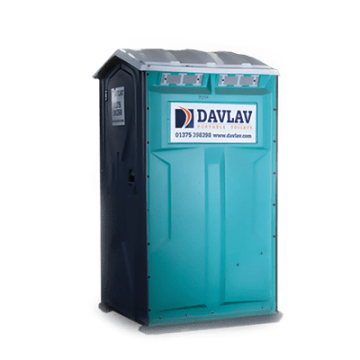
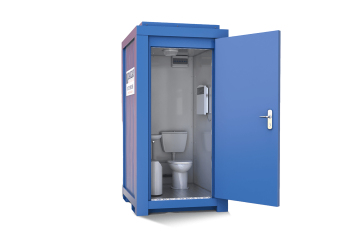
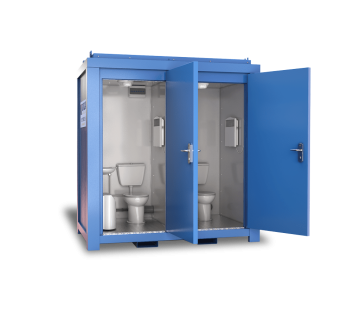
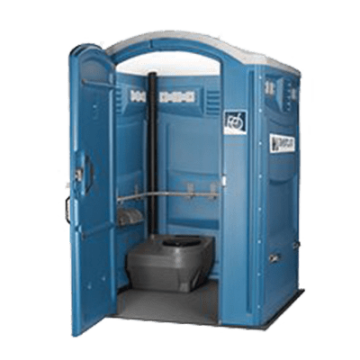
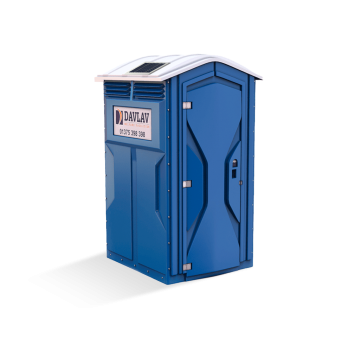
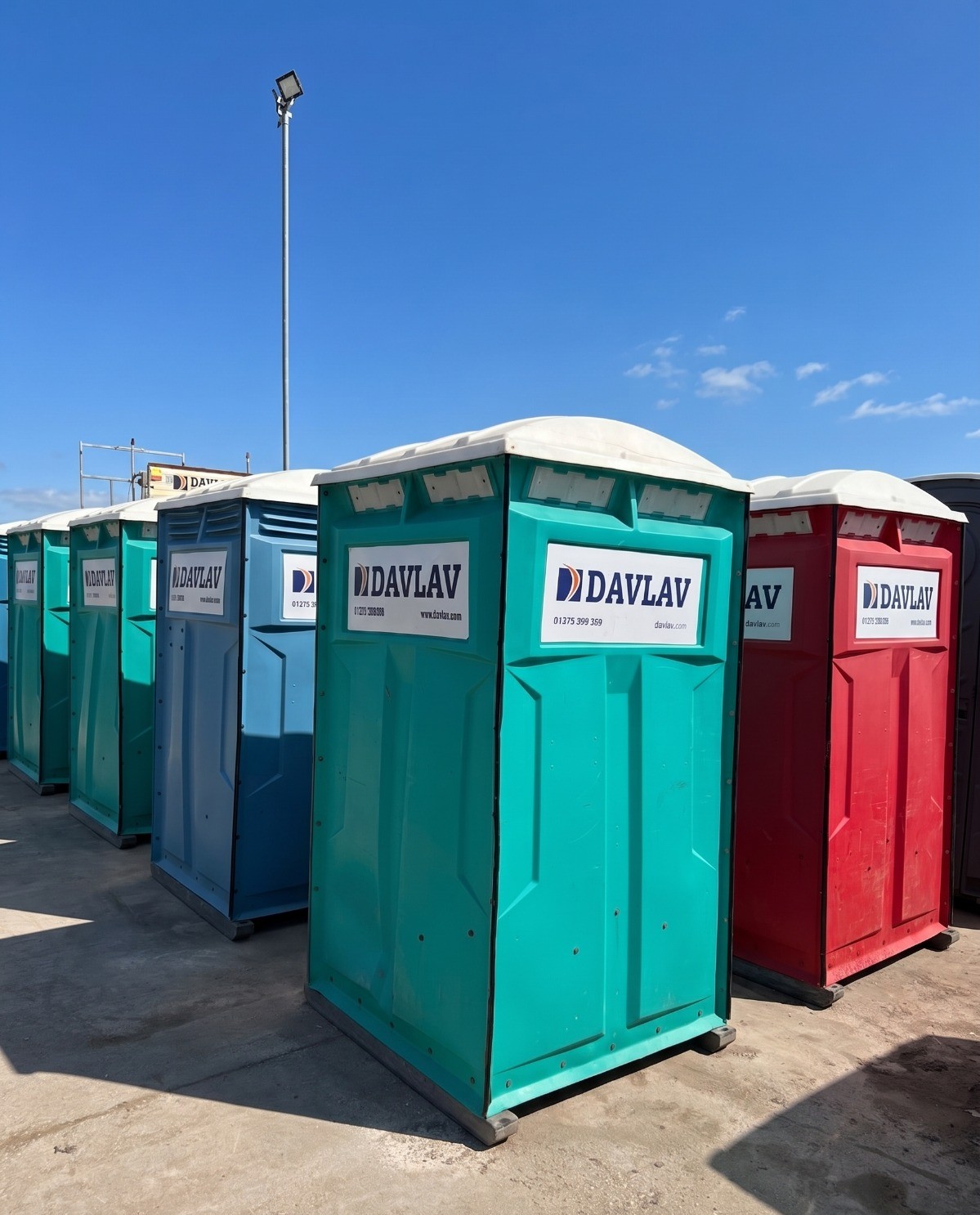
Toilet facilities form a fundamental part of site welfare. All sites must ensure that clean and accessible toilets are provided based on the number of people on site.
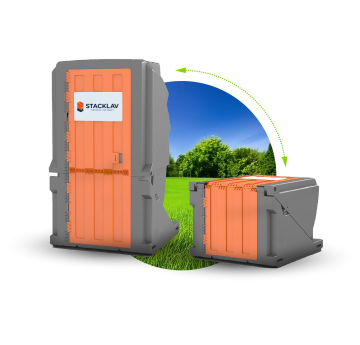
Depending on the project, this may include portable toilets or organised toilet block hire, such as 1+1, 2+1, or 3+1 blocks. Routine servicing through tank emptying ensures facilities remain usable and hygienic throughout the hire period.
Toilet facilities are also provided within each welfare unit as part of the overall welfare provision.
Rest Areas and Site Canteens
Site welfare also includes providing suitable areas for rest. Welfare units and site canteen spaces offer workers a place to take breaks away from active work areas.
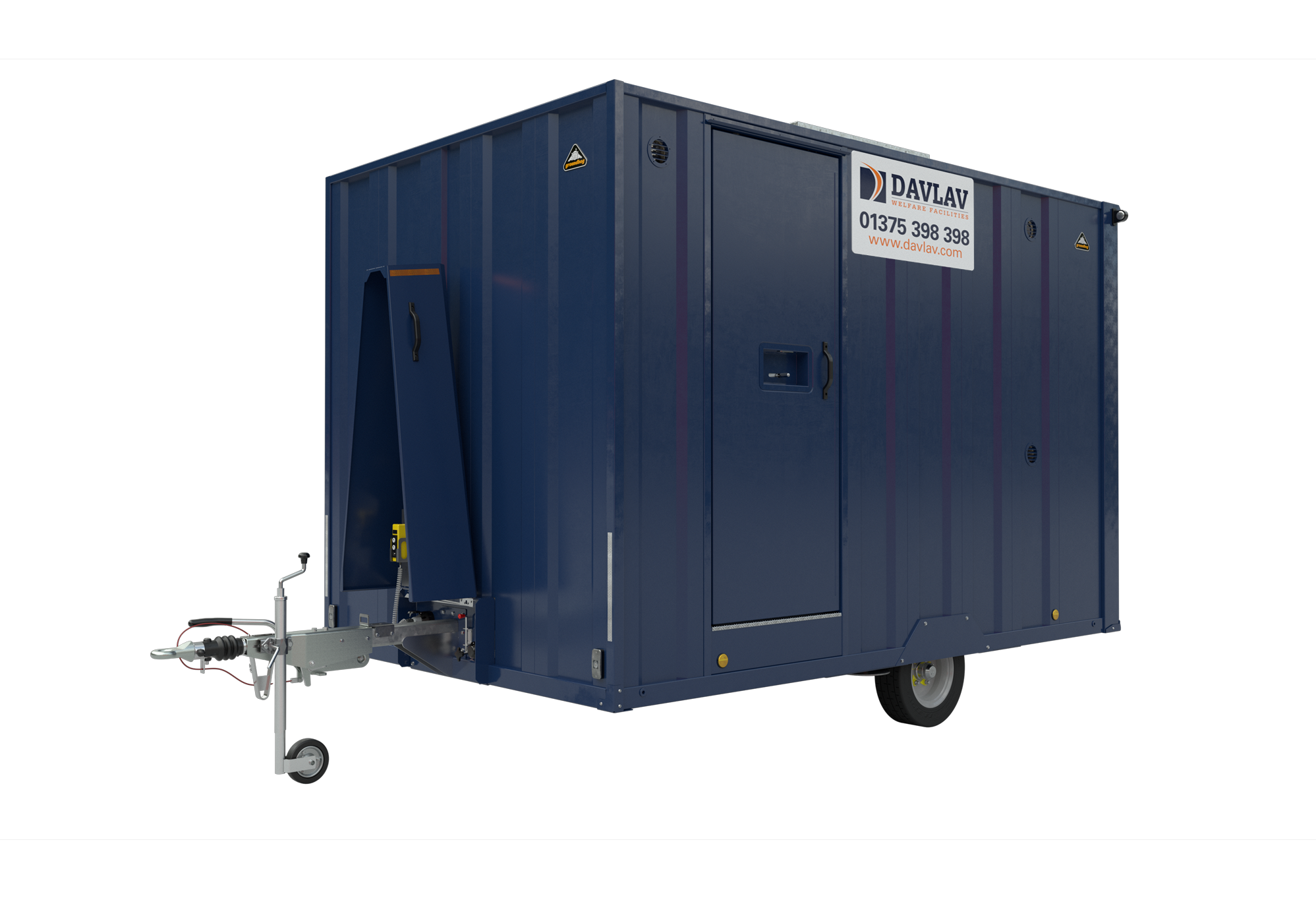
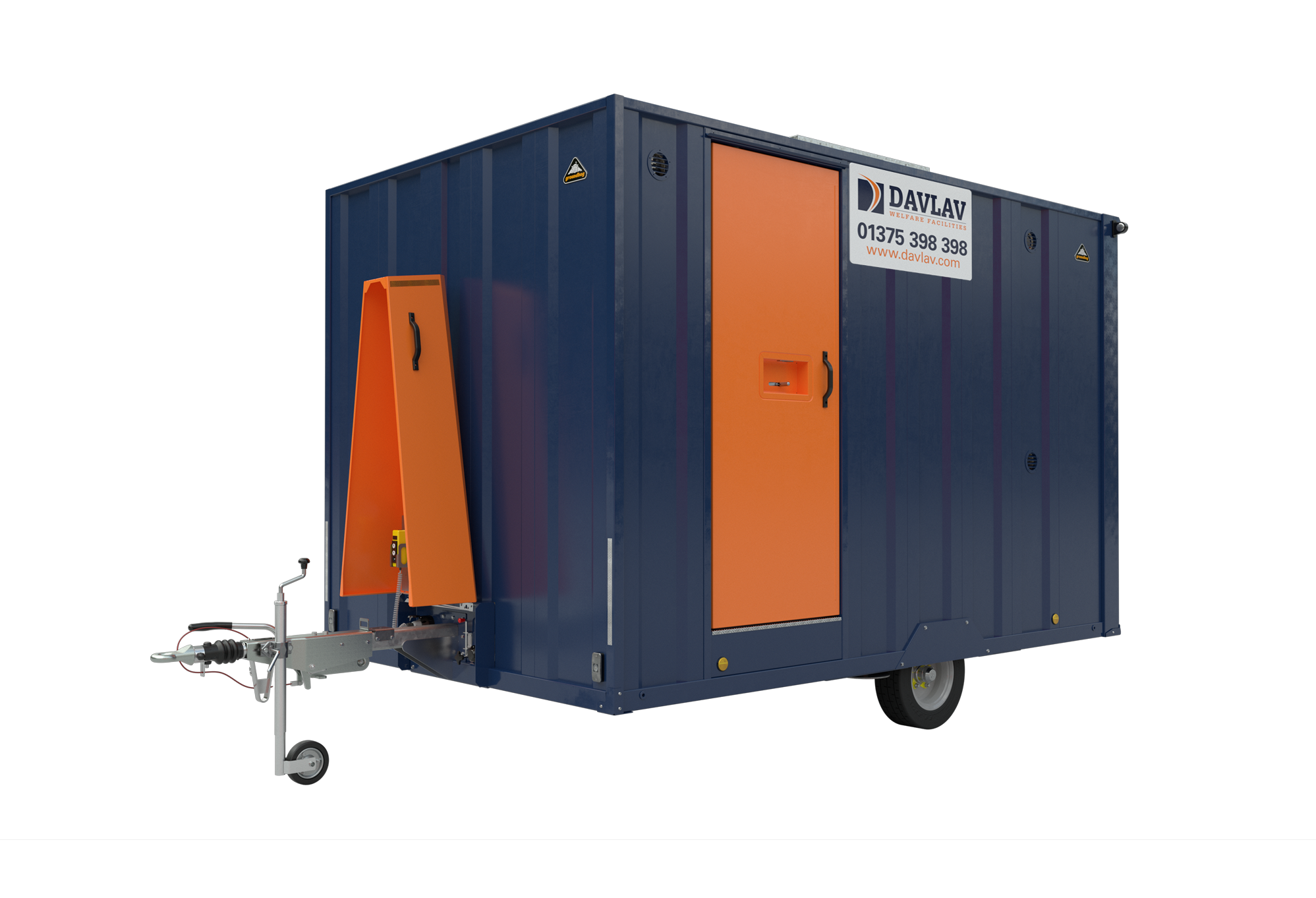
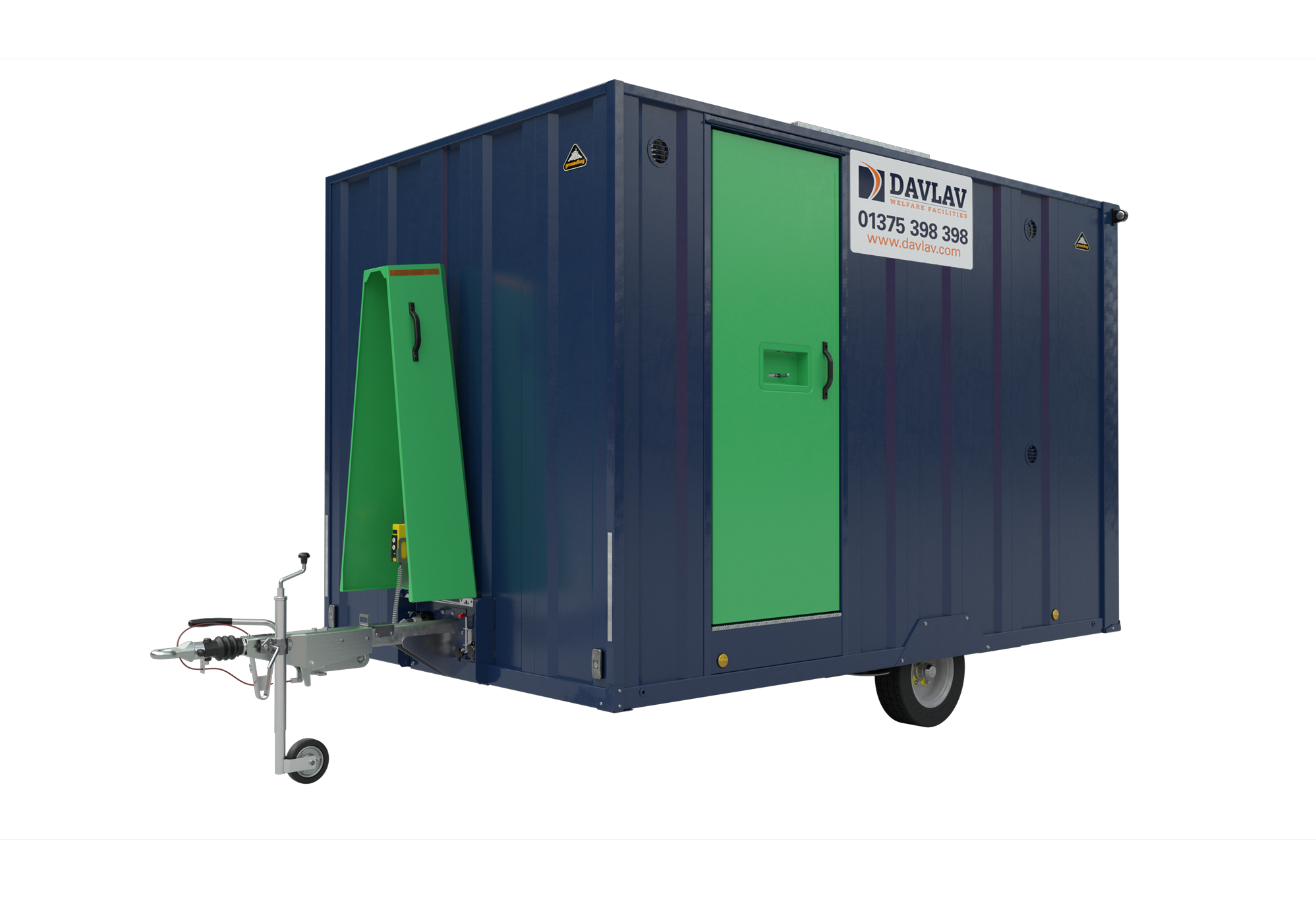
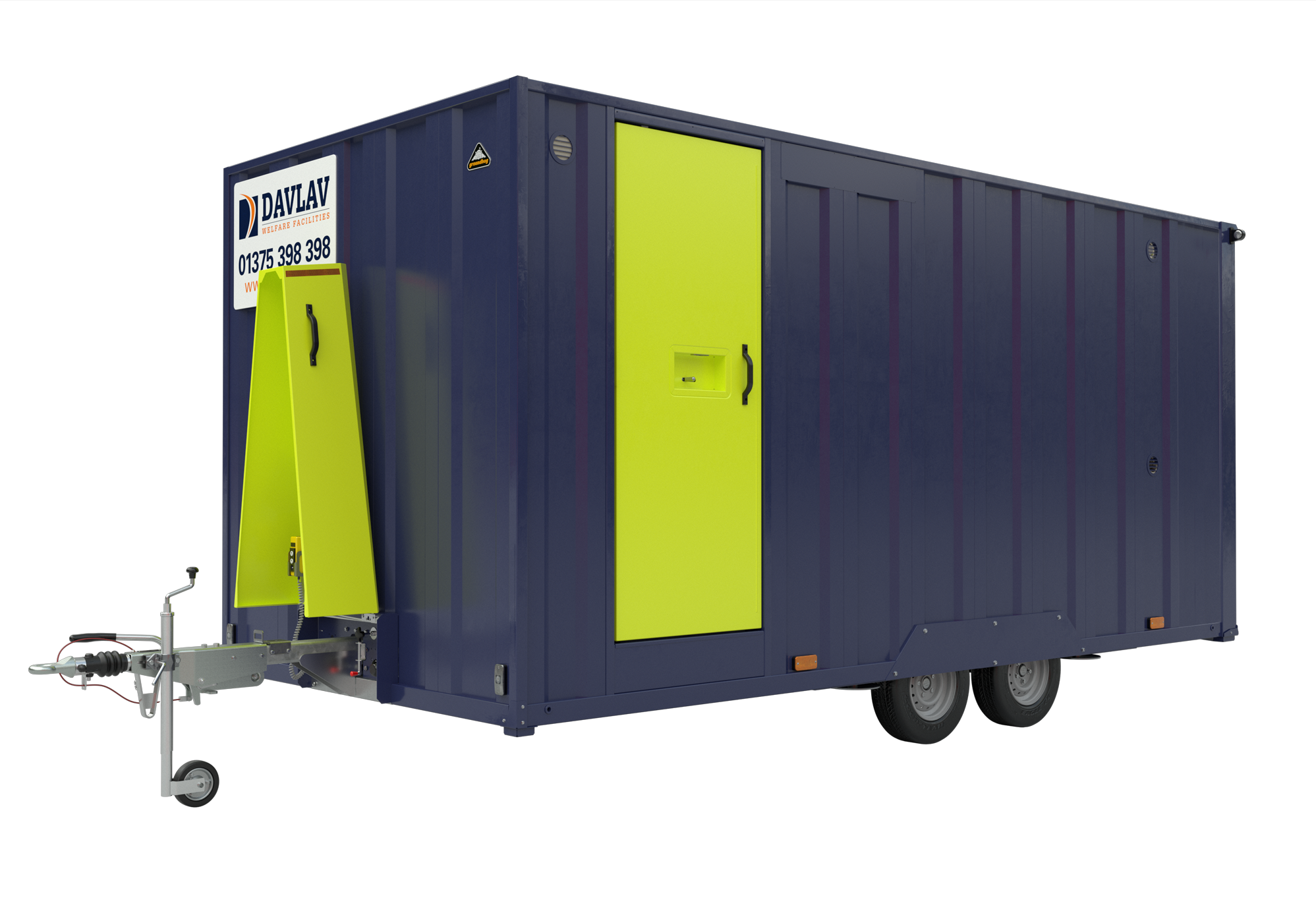
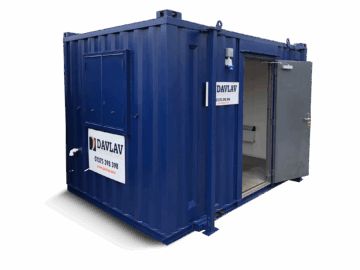
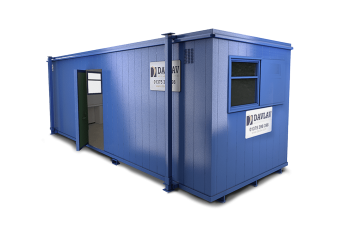
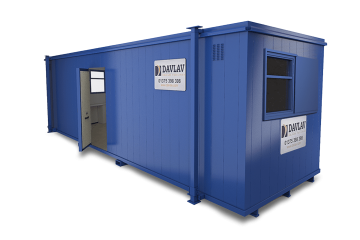
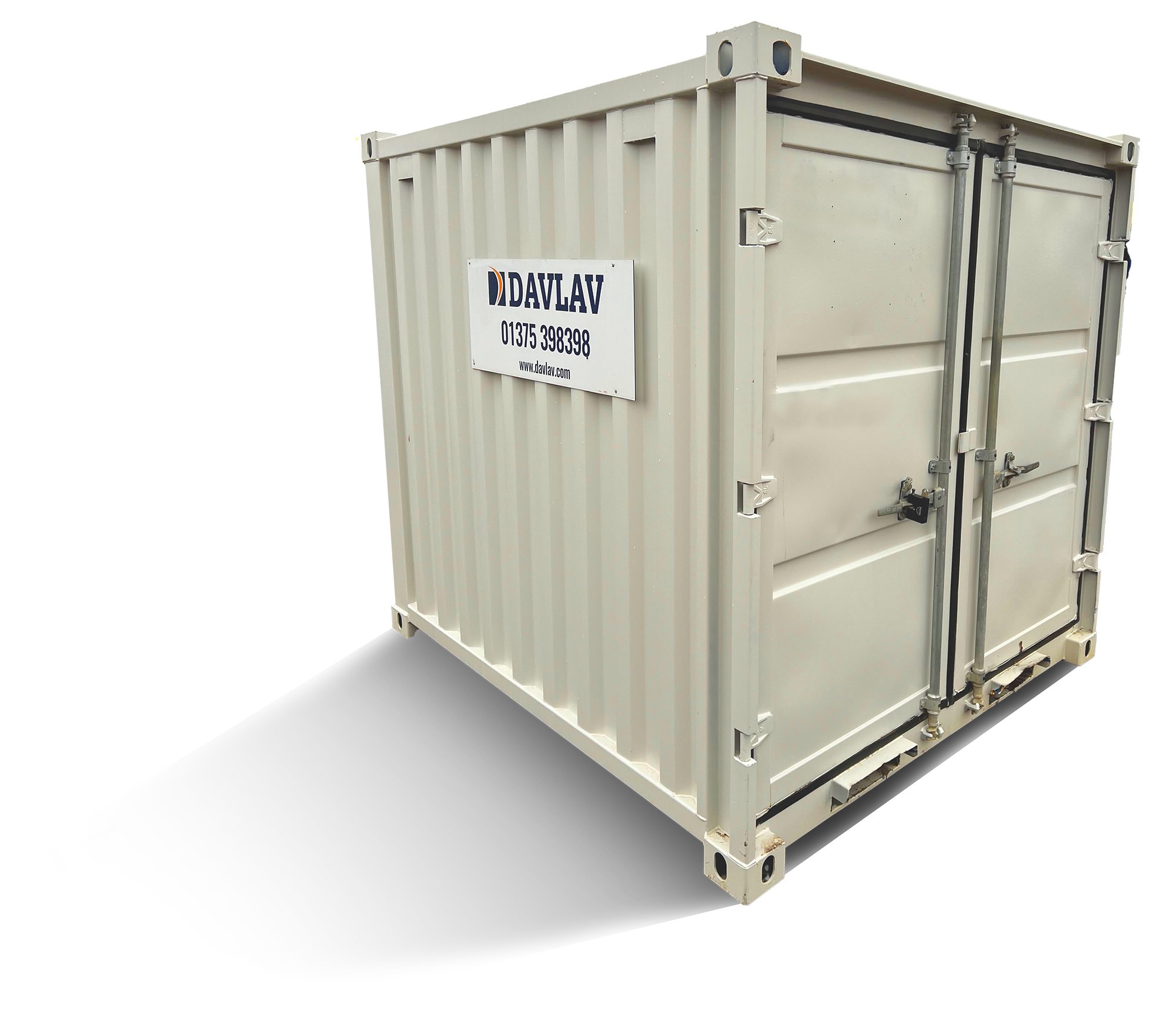
Whether delivered through a static or mobile welfare unit, or even just the canteen on its own, these spaces form an important part of supporting a settled and organised working environment, particularly as projects run for longer periods or team sizes inflate.
Drying and Changing Areas
Drying and changing facilities support daily comfort, especially on sites where clothing and equipment are regularly affected by weather conditions. Providing a dedicated area allows wet items to dry properly, helping to support usability and comfort throughout the day.
A portable drying room or a drying area within a welfare unit can be particularly useful on sites with larger teams, where shared facilities need to remain practical and organised over extended periods.
Offices and Administrative Space
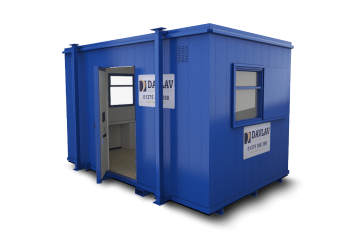
Alongside welfare facilities, many sites also need dedicated space for site management. Some welfare units include built‑in office areas, allowing administrative tasks to be carried out within the same structure as the wider welfare provision.
In other cases, a separate portable office may be positioned elsewhere on site to provide additional workspace away from welfare areas. Both approaches are commonly used, depending on site layout, team size, and how the space is required to function daily.
Keeping office space clearly defined, whether integrated within a welfare unit or provided separately, helps maintain organisation on site and allows welfare and administrative areas to operate without interfering with one another.
Mobile and Static Welfare Units
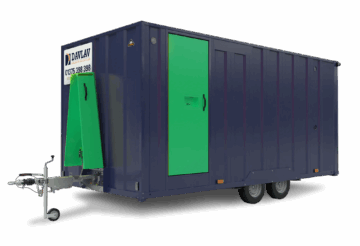
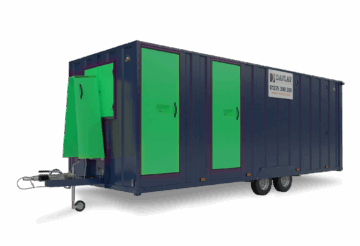
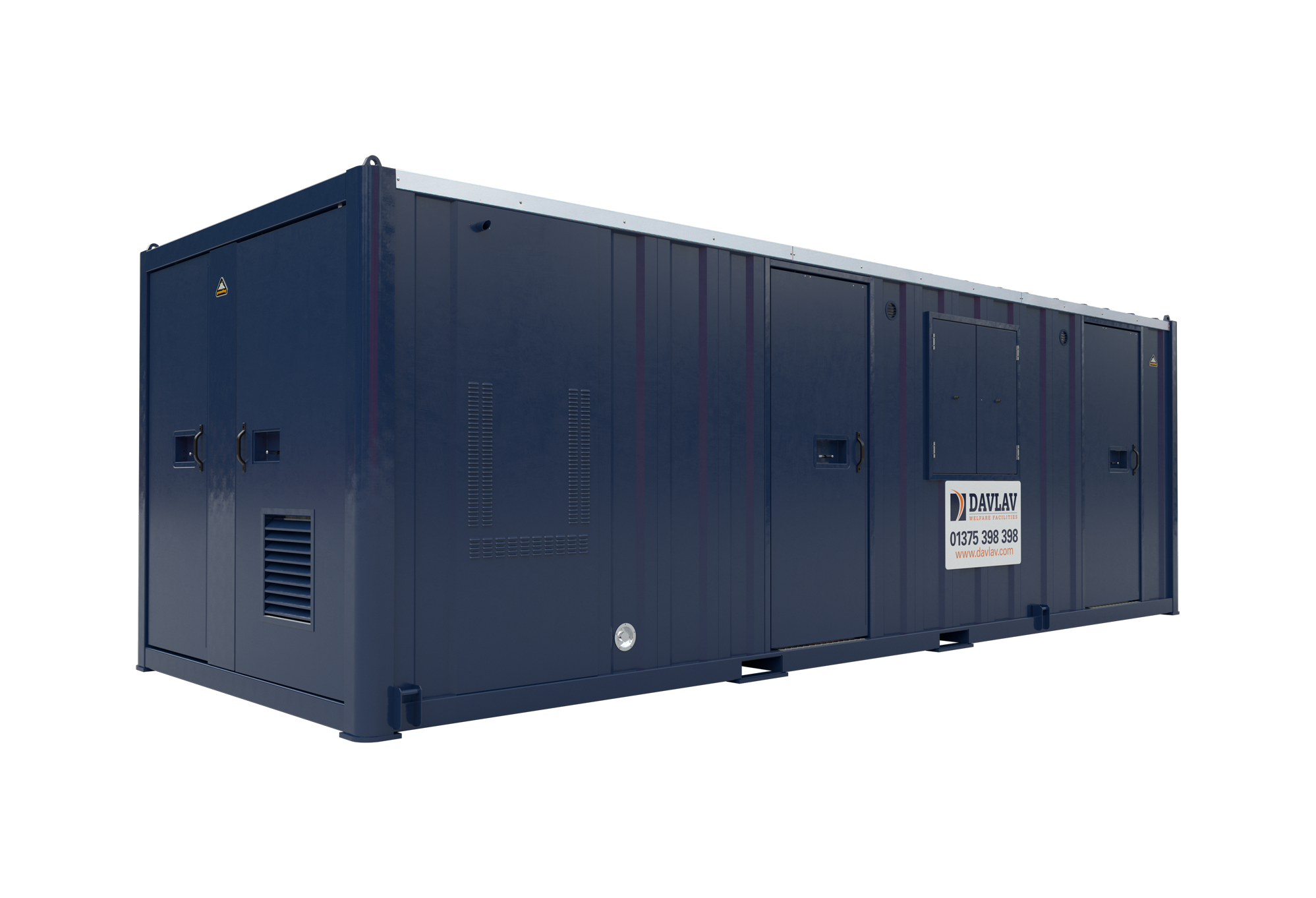
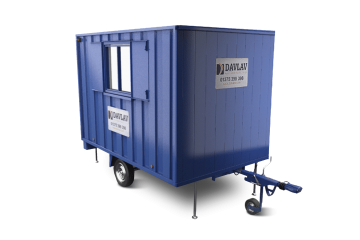
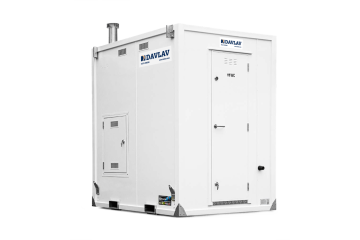
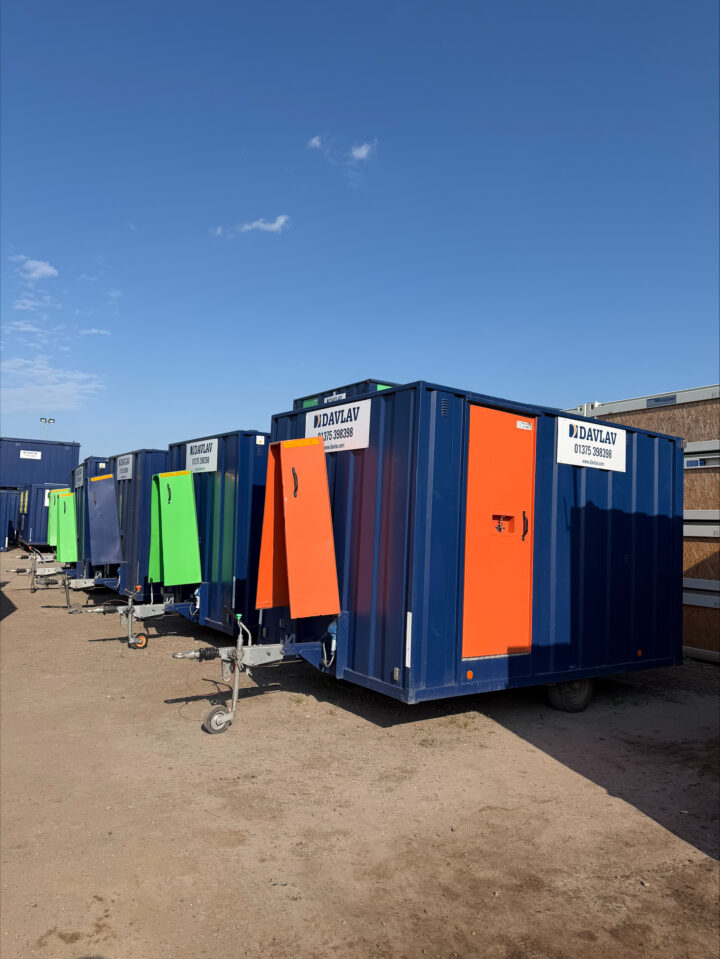
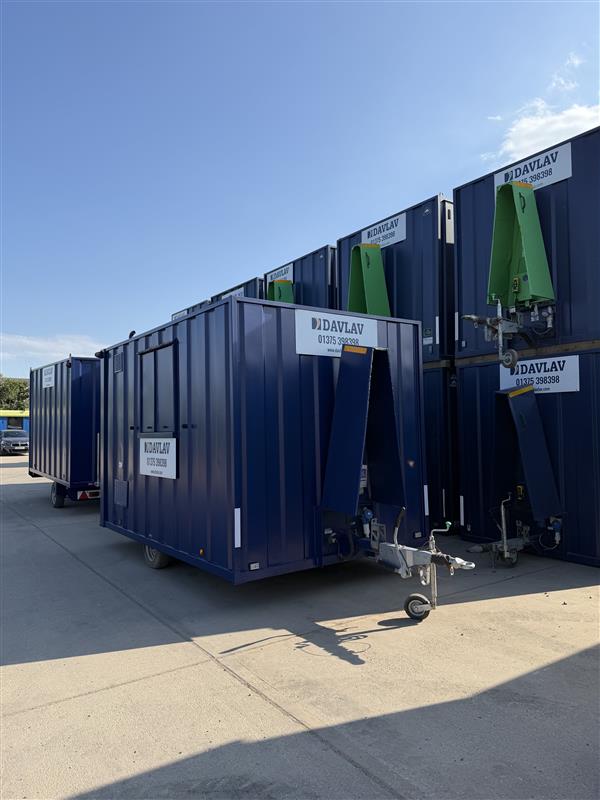
The way site welfare is set up usually reflects how the project is operating and how the site is laid out. Mobile welfare units are commonly employed in situations where work shifts locations or when sites are operational for shorter durations. Because they are towable and self-contained, mobile units enable welfare facilities to be positioned near the workforce and to adapt to layout changes.
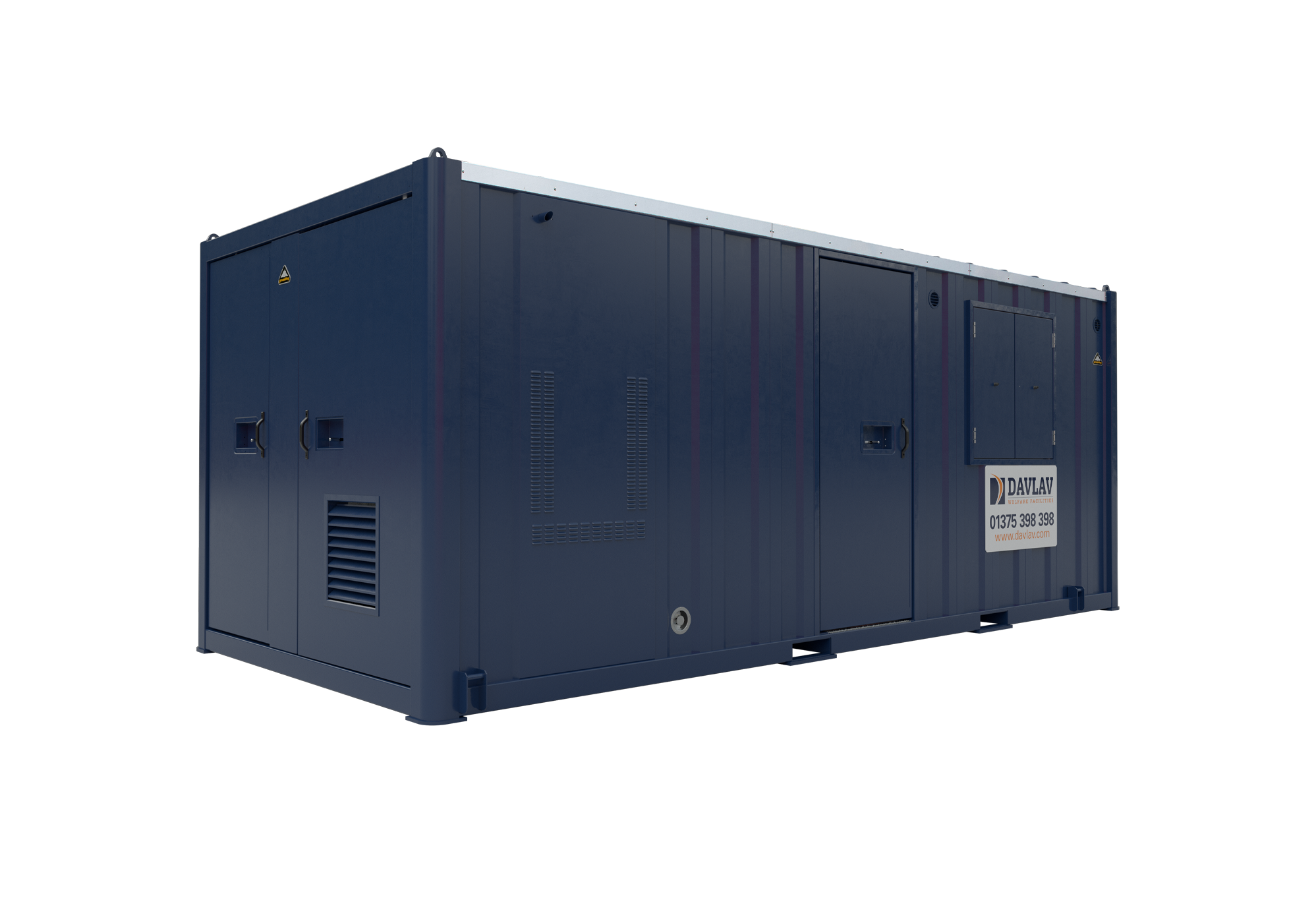
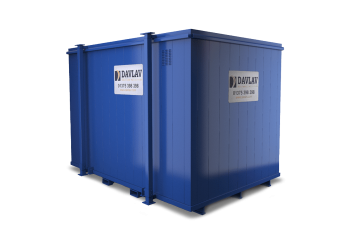
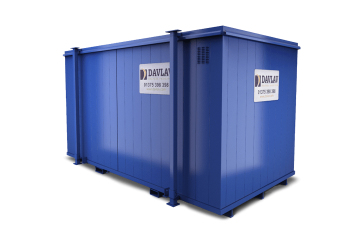
As projects stabilise and teams stay in one area for extended periods, static welfare units often become the more practical choice. Having facilities permanently in place supports larger teams and offers a more consistent daily setup. Both mobile and static units benefit from newer energy-efficient and solar-assisted systems, which help reduce fuel consumption and noise, ensuring facilities can be used consistently throughout the project.
Waste Management and Site Services
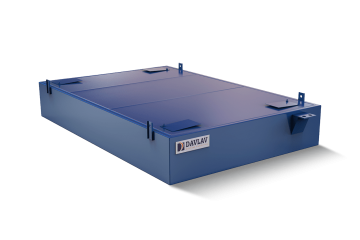
Site welfare also relies on the services that keep facilities running smoothly behind the scenes. This includes the routine emptying and management of waste from toilets and welfare units, helping to ensure that facilities remain available and hygienic on site.
When waste arrangements are planned alongside welfare provision, facilities continue to operate as expected as site activity increases. Regular servicing plays an important role in maintaining consistent access to welfare whilst avoiding disruption, particularly on longer-running or busier sites.
Responsibility and Ongoing Management
Responsibility for site welfare rests with those overseeing the project. As the work advances, welfare arrangements should be periodically reviewed to adapt to changes in site layout, project timeline, or workforce size.
What functions well at one stage may need to change later to remain practical and effective. Continuously managing welfare ensures that facilities meet current needs and support daily site activities. Collaborating with experienced welfare providers can simplify this process, enabling prompt adjustments as site requirements evolve.
In Summary
Site welfare brings together the facilities people rely on during the working day, along with the support that keeps those facilities working properly as the project progresses. When welfare is planned with the site in mind, it becomes a steady part of daily working life rather than something that needs constant attention or adjustment.
Taking a considered approach from the outset helps ensure welfare stays compliant and suited to the way work begins on site.